



Provinces Denied Rs1.8 Trillion in Oil, Gas Profits
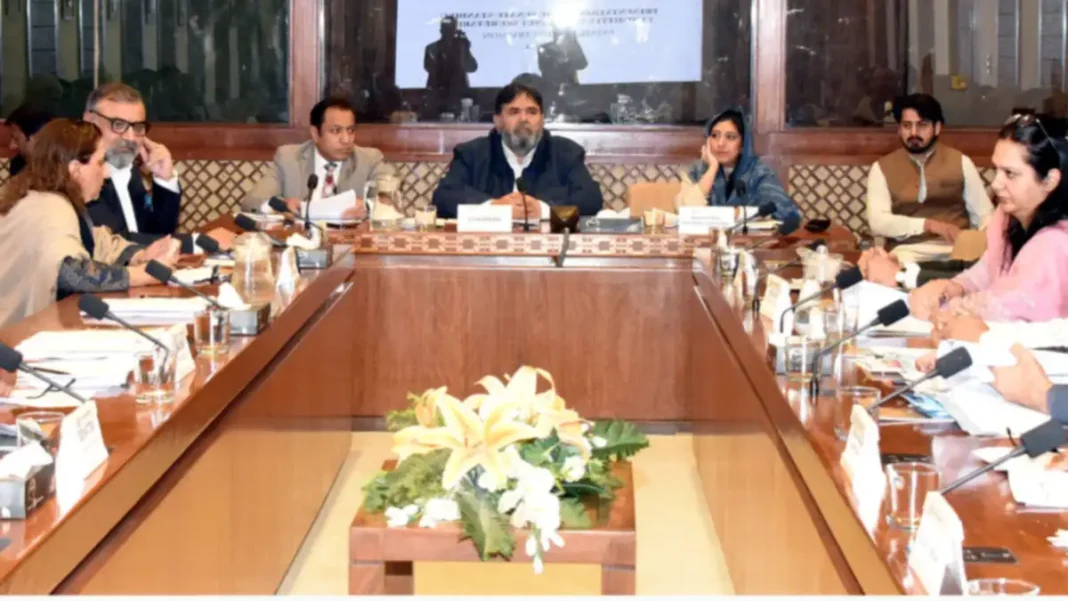
The provinces denied Rs1.8 trillion in oil and gas profits since 2011 have still not received a single rupee of their share, a Senate panel was told on Monday, in what the committee called a breach of the Constitution. The sub-committee of the Senate Functional Committee on Devolution, chaired by PPP Senator Zamir Hussain Ghumro, met on Monday to review Article 172(3), on joint ownership of oil and gas, and Article 38(g), on the provinces’ share in federal jobs. The Express Tribune reported the proceedings on Tuesday.
How the provinces denied Rs1.8 trillion adds up
Since 2011, four companies, Pakistan Petroleum Limited (PPL), Oil and Gas Development Company (OGDCL), Mari Petroleum and Pakistan Oil Fields Limited (POL), earned Rs3.6 trillion in profits after the 18th Amendment. The provinces were entitled to half of that amount, but not a single rupee of their Rs1.8 trillion share was paid, Ghumro told the meeting.
The break-up of the unpaid share is Rs978 billion in the case of OGDCL, Rs462 billion of PPL, Rs225 billion of Mari and Rs144 billion of POL. Ghumro said the total amount could exceed Rs6 trillion once the details of other companies were received.
Ghumro said Article 172(3) ensures joint and equal ownership and sharing of resources, “which has not been implemented in letter and spirit”. He termed the situation a violation of the Constitution and said the continued deprivation of the provinces of their legitimate financial share was unacceptable.
What the panel ordered
Ghumro directed the Petroleum Division to prepare a framework for transferring half the oil and gas profits to the provinces, seek urgent federal cabinet approval, and share the summary with the sub-committee.
He warned that failure to comply could see the matter referred to the audit authorities. If it remains unresolved, all provincial chief ministers and the federal finance and petroleum ministers will be called to the next meeting. The committee asked the Auditor General to apply Article 172(3) while auditing the profits of the oil and gas corporations.
The panel also heard the Centre’s side: it has spent Rs8.5 trillion on provincial matters since 2011, including Rs3.5 trillion on the Benazir Income Support Programme.
Punjab holds two-thirds of top posts
The Establishment Division told the panel that 35 of the 53 Grade-22 officers in the federal secretariat belong to Punjab, or 66 per cent. Khyber-Pakhtunkhwa has 10, Sindh six, and Balochistan and Gilgit-Baltistan one each. No officer in the grade comes from Azad Jammu and Kashmir or the former tribal areas, according to the division’s figures, though the Tribune noted the data may be wrong on this point, as Inter-Provincial Coordination Secretary Mohyuddin Wani belongs to AJK.
The quota formula for direct recruitment gives Punjab, including Islamabad, 50 per cent of posts, Sindh 19 per cent, Khyber-Pakhtunkhwa 11.5 per cent, Balochistan 6 per cent, Gilgit-Baltistan 1 per cent, the former tribal areas 3 per cent and AJK 2 per cent, with 7.5 per cent on merit.
Overall, Punjab holds 60.17 per cent of posts in the federal secretariat against its 50 per cent share, and Khyber-Pakhtunkhwa holds 16 per cent against 11.5 per cent. Sindh has 14.5 per cent against its 19 per cent share, and Balochistan 4 per cent against 6 per cent.
The Establishment Division said representation was generally in line with the prescribed shares, “except in the case of Balochistan”, and that 5,136 posts in grades 1 to 15 had recently been advertised for the province.
Ghumro also directed that the rural-urban divide in Sindh’s quota be removed, so only the province’s share as a whole is counted, as in other provinces.
A pattern of findings from the same committee
This is not the first time the devolution committee has put figures to the gap between the Centre and the provinces. In October, Feature Pakistan reported that the same panel questioned Rs2.6 trillion in federal spending on devolved ministries over 16 years, and in November the Centre told the panel it had spent Rs5 trillion on devolved subjects.
Also in November, the Centre deducted Rs35 billion from provincial grants for the first time in the country’s history, signed a Rs157 billion fiscal deal with Khyber-Pakhtunkhwa, and faced questions from the same panel on provincial quotas in senior promotions.
Taken together, the figures show a running dispute: the provinces say the Constitution promises them half the oil and gas profits and their full share of jobs, while the Centre points to its spending on devolved subjects.
What happens next
The Petroleum Division must now bring its framework to the cabinet and to the sub-committee, and the next meeting will show whether the Rs1.8 trillion is treated as a debt to be paid or a claim for the NFC Award.
Frequently asked questions
What is Article 172(3) of the Constitution?
Article 172(3) provides for joint and equal ownership of oil and gas resources between the federation and the provinces. The Senate panel said it has not been implemented in letter and spirit, and the provinces have not received their share of the profits.
Which companies are involved in the Rs1.8 trillion figure?
Four companies: Pakistan Petroleum Limited, Oil and Gas Development Company, Mari Petroleum and Pakistan Oil Fields Limited. Together they earned Rs3.6 trillion in profits since 2011, and the provinces were entitled to half of that amount.
How much is owed by each company?
OGDCL accounts for Rs978 billion, PPL for Rs462 billion, Mari for Rs225 billion and POL for Rs144 billion. The chairman said the total could exceed Rs6 trillion once other companies are included.
How many Grade-22 officers come from each province?
Of the 53 Grade-22 officers in the federal secretariat, 35 belong to Punjab, 10 to Khyber-Pakhtunkhwa, six to Sindh, and one each to Balochistan and Gilgit-Baltistan.
What has the panel asked for next?
The Petroleum Division must prepare a framework for transferring half the oil and gas profits to the provinces, place it before the federal cabinet, and share the summary with the sub-committee. If the matter stays unresolved, all chief ministers and the federal finance and petroleum ministers will be called.
.)