Petrol Price Cut to Rs319 as Diesel Stays at Rs357
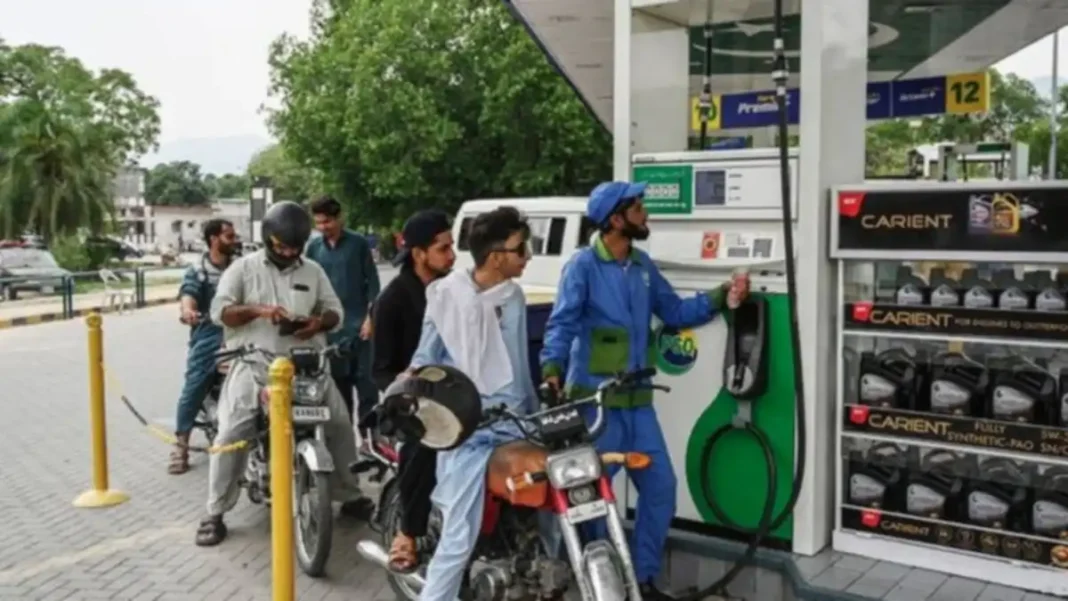
The petrol price falls by Rs3 a litre from Tuesday, November 24, while high-speed diesel stays unchanged at Rs357 a litre. Petrol will retail at Rs319 a litre under a notification by the Oil and Gas Regulatory Authority (OGRA). Dawn reported the revision on Monday night.
The cut brings fresh relief to motorists after a month of near-daily changes. It also comes as pump owners threaten a nationwide strike within 15 days, a dispute Feature Pakistan reported on Monday.
What the petrol price cut means at the pump
The new petrol price is Rs3 lower than the Rs322 a litre charged until Monday, November 23. Diesel stays at Rs357 a litre, the same rate that applied over the past three days. The revised prices take effect from Tuesday, November 24.
Taxes and duties remain heavy. The government continues to levy Rs114 a litre in taxes and duties on petrol and Rs100 a litre on diesel. In the first nine months of the current fiscal year, Pakistan collected Rs1.17 trillion in fuel taxes, Feature Pakistan reported earlier on Monday.
A month of falling prices
Petrol has fallen in steps over the past week. It cost Rs325 a litre on November 18 and Rs322 on November 19, Dunya News reported. The latest cut follows a Re1 rise last week that ended a run of 12 consecutive reductions in the petrol price, as Feature Pakistan reported at the time.
The slide has been steep. In mid-October, Feature Pakistan reported petrol at Rs386.30 a litre after a Rs3.93 cut. Petrol has now fallen by more than Rs67 a litre in about five weeks.
Relief scheme and refinery deal
Two measures sit behind the recent cuts. Under an arrangement announced on November 2, oil refineries will contribute to the petroleum levy for 30 days by bearing a cumulative impact of Rs15 billion. The government says this allows a Rs14.71 reduction in the petrol price at the consumer end.
Separately, the Prime Minister’s Fuel Relief Scheme has applied since September 17. It covers owners of motorcycles, rickshaws and vehicles of up to 800cc.
Why the cut matters
Petrol is mainly used in private transport, small vehicles, rickshaws and two-wheelers. Changes in its price therefore fall directly on the middle and lower-middle classes. Diesel mainly powers heavy transport, power plants and large generators, so its price feeds into the cost of moving goods and producing power.
Together, petrol and diesel sell about 700,000 to 800,000 tonnes a month, against just 10,000 tonnes of kerosene. Energy costs are rising elsewhere too. In Khyber Pakhtunkhwa, the gas crisis has deepened as LPG prices surged past Rs600, Feature Pakistan reported on Monday.
Near-daily revisions since July
Since July 17, the government has revised fuel prices on a near-daily basis. The petroleum minister has said the cabinet and the prime minister decided to give OGRA the responsibility of setting fuel prices daily, based on trends in the international market. Before that, the government had announced weekly revisions since early March, alongside measures to conserve fuel amid possible supply disruptions.
Prices were far higher in the spring. Petrol peaked at Rs458.41 a litre on April 3, after rising from Rs266 in the first week of March. Diesel peaked at Rs520.35 on the same day, after rising from Rs281 following the outbreak of the US-Iran war on February 28.
The government has also reintroduced austerity measures in response to high fuel prices. Under these measures, markets must close by 9pm, and fuel allocations for official vehicles have been cut by 50 per cent for three months.
Frequently asked questions
What are the new fuel prices?
Petrol will cost Rs319 a litre from Tuesday, November 24, after a Rs3 cut. High-speed diesel stays unchanged at Rs357 a litre.
When do the new prices take effect?
The revised prices take effect from Tuesday, November 24, 2026, under a notification by the Oil and Gas Regulatory Authority.
Has the diesel price changed?
No. Diesel remains at Rs357 a litre, the same rate that applied over the past three days.
How much tax is charged on fuel?
The government levies Rs114 a litre in taxes and duties on petrol and Rs100 a litre on diesel.
Why are fuel prices revised almost daily?
Since July 17, the government has revised fuel prices on a near-daily basis because of swings in international oil prices. OGRA now sets the prices daily on international trends. Before that, revisions were weekly.