Average Life in Pakistan: What Really Decides How Long People Live
Behind the 68.1-year average are millions of individual lives — and the conditions that lengthen or shorten them. This guide looks at average life in Pakistan as lived experience: the five factors that decide, more than anything else, how long a Pakistani lives.
Quick answer: The length of average life in Pakistan is decided by: income and nutrition, healthcare access, clean water and air, maternal and child care, and lifestyle risks (smoking, road safety, diet). The gaps between rich and poor, urban and rural, dwarf the national average’s story.
The five big factors
- Income and nutrition. Poverty shortens life everywhere; in Pakistan it does so through undernutrition, unsafe housing and unaffordable care. Stunting still affects a large share of children.
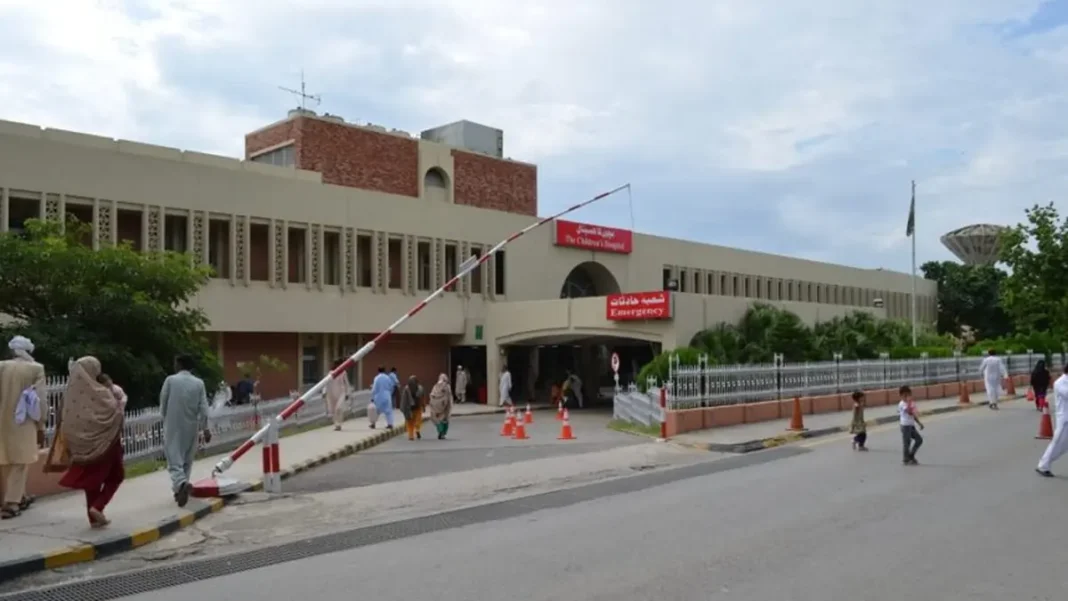
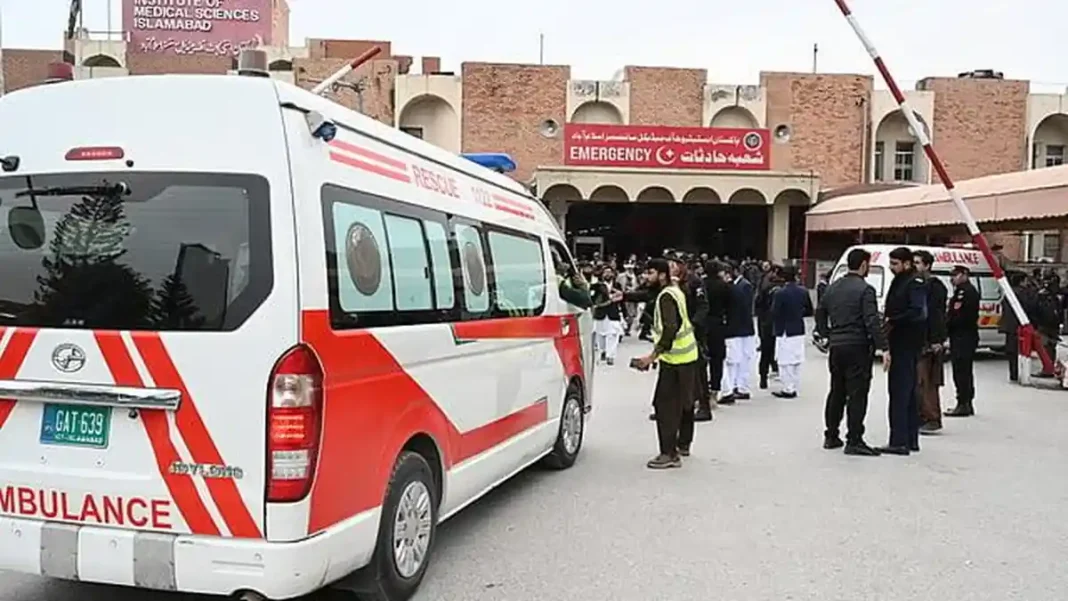
- Healthcare access. Distance to a decent facility is destiny: urban Pakistan has hospitals; much of rural Pakistan has a basic health unit — or nothing.
- Water, air, sanitation. Diarrhoeal disease (~58,000 deaths/year) is a water story; winter smog in Lahore and Multan is an air story.
- Maternal and child care. Skilled birth attendance is the highest-leverage intervention in the country.
- Lifestyle and safety. Smoking, sugary diets (diabetes is surging), and roads that kill ~29,000 people a year.
The gaps the average hides
Averages mislead most where inequality is widest. The urban–rural gap, the income gap, and the gender gap each move life expectancy by years. Two Pakistans exist in the mortality data — and closing the gap between them would raise the national figure faster than any medical breakthrough. The life-expectancy explainer details how the statistic itself works.
Urban vs rural: two Pakistans
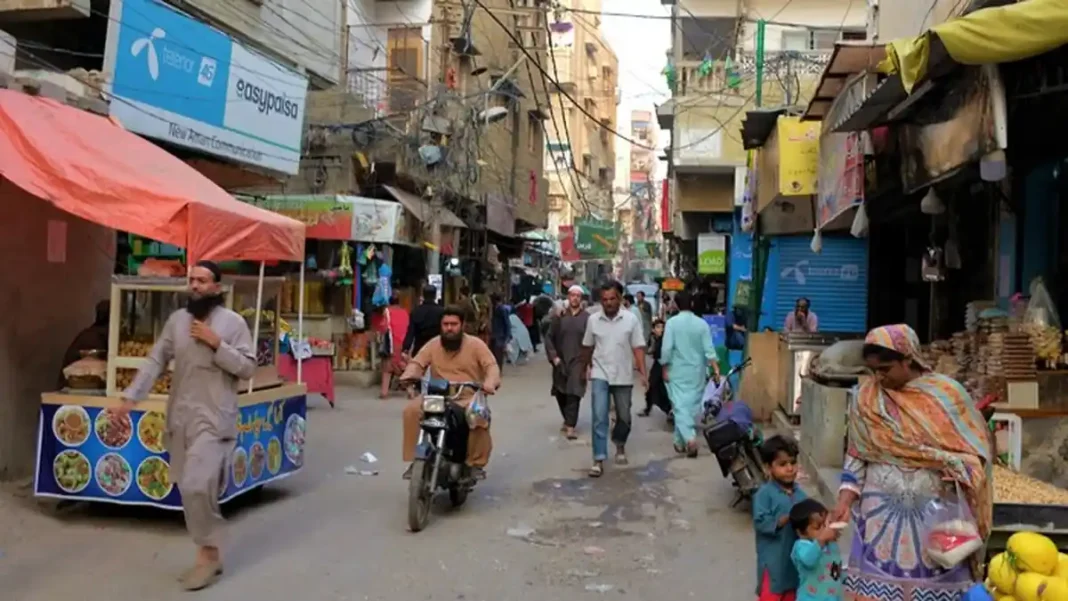
Where you’re born in Pakistan shapes how long you live. Urban Pakistan — Karachi, Lahore, Islamabad — has hospitals, specialists, cleaner water and higher incomes: life expectancy here approaches regional averages. Rural Pakistan — still the majority — faces the inverse: distant basic health units, unsafe water, higher maternal and child mortality.
The gap shows up in every indicator: skilled birth attendance, child stunting, and deaths from treatable conditions are all worse outside the cities. Closing the rural health gap — basic health units that actually function, lady health workers, clean water — is the single biggest lever on the national average.
Frequently asked questions
What is the average life in Pakistan?
Measured by life expectancy, 68.1 years (2024) — shaped by income, healthcare access, environment, maternal/child care and lifestyle. The lived reality varies enormously by class and region.
What kills most Pakistanis?
Neonatal complications, respiratory infections, diarrhoeal disease and TB lead; heart disease, diabetes and road injuries are rising fast.
Do people live longer in cities in Pakistan?
Yes — urban Pakistanis live longer on average, thanks to better healthcare access, cleaner water and higher incomes. The rural-urban health gap is one of the country’s starkest inequalities.
What affects life expectancy most in Pakistan?
Child survival first — infant and maternal mortality move the average most — then clean water, then the rising burden of heart disease and diabetes in adults.
Is Pakistan’s life expectancy rising or falling?
Rising over the long term (from under 50 in the 1960s to 68.1 in 2024), though shocks — floods, the pandemic — cause temporary dips.
Which province has the highest life expectancy in Pakistan?
Estimates vary by source and year, but urbanised Punjab and Khyber Pakhtunkhwa’s settled districts generally score better than remote Balochistan and rural Sindh — reflecting healthcare access gaps.