European consumer authorities have opened coordinated investigations into nine video game companies over how in-game virtual currencies are priced and sold. The EU in-game currency probe runs through the Consumer Protection Cooperation Network, which links national consumer authorities across the EU and is coordinated by the European Commission.
The nine companies under investigation
| Company | Games flagged |
|---|---|
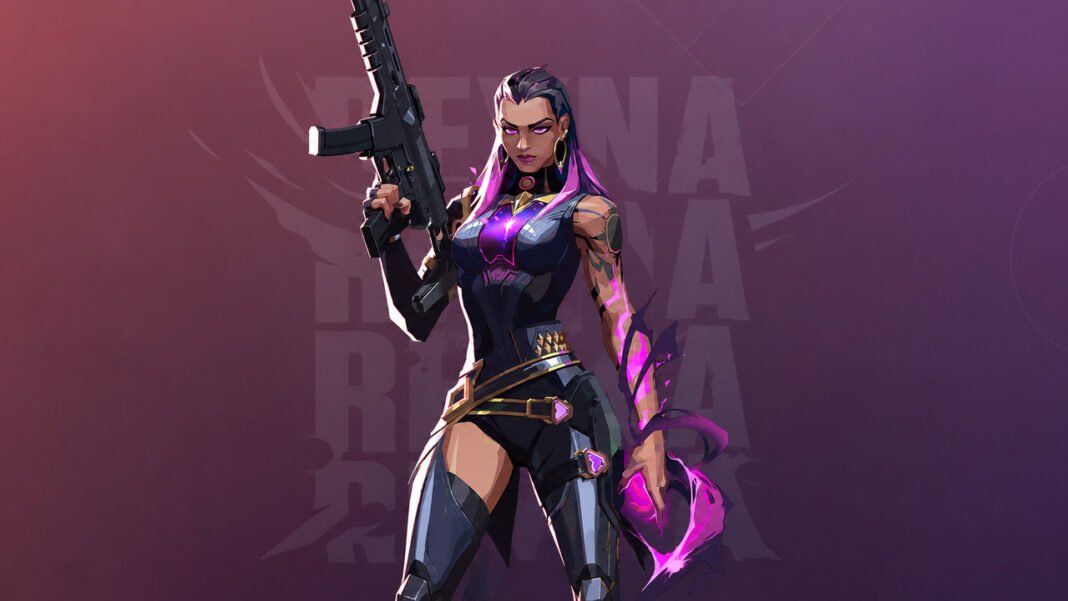
| Riot Games | Valorant |
| Ubisoft EMEA | For Honor |
| Mojang | Minecraft |
| Supercell | Clash of Clans |
| King.com Operations | Candy Crush Saga |
| Crytek | Hunt: Showdown 1896 |
| InnoGames | Forge of Empires |
| Plarium Europe | Mech Arena |
| PLR Worldwide Sales | Gardenscapes |
What the EU wants changed
Investigators will check whether the games show clear, transparent pricing for in-game purchases. Players should see the real-world price of virtual currencies and items, and currency systems should not make costs unnecessarily hard to understand. Games should also avoid nudging users into buying more virtual currency than they need.
Players must get clear information before buying, along with fair and readable terms and conditions. Consumer rights, including the 14-day withdrawal right where it applies, must be disclosed. The EU is paying particular attention to protections for children and other vulnerable users.
Talks failed last year
The CPC Network opened discussions with the games industry in 2025 on compliance with its principles for in-game virtual currencies. The EU consumer protection chief Michael McGrath said game companies must ensure players, particularly children, are not exposed to harmful or unfair practices.
Activision Blizzard also in the frame
Separately, the CPC Network is working with Activision Blizzard UK over Diablo Immortal and Call of Duty Mobile. That case covers virtual-currency sales, personal-data collection, potentially addictive design, parental controls, marketing to children, pre-contract information and account blocking.
FAQs
Which game companies is the EU investigating?
Nine companies: Riot Games, Ubisoft EMEA, Mojang, Supercell, King.com Operations, Crytek, InnoGames, Plarium Europe and PLR Worldwide Sales.
What is the EU concerned about with in-game currencies?
Unclear pricing, currency systems that obscure real costs, pressure to overbuy virtual currency, and weak protections for children.
What happens next in the EU investigation?
National consumer authorities will assess the flagged games against EU consumer protection rules and can require changes where they find breaches.