Govt rejects Rs 10.1 trillion SOE debt claim, says figure is consolidated stock, not fresh borrowing
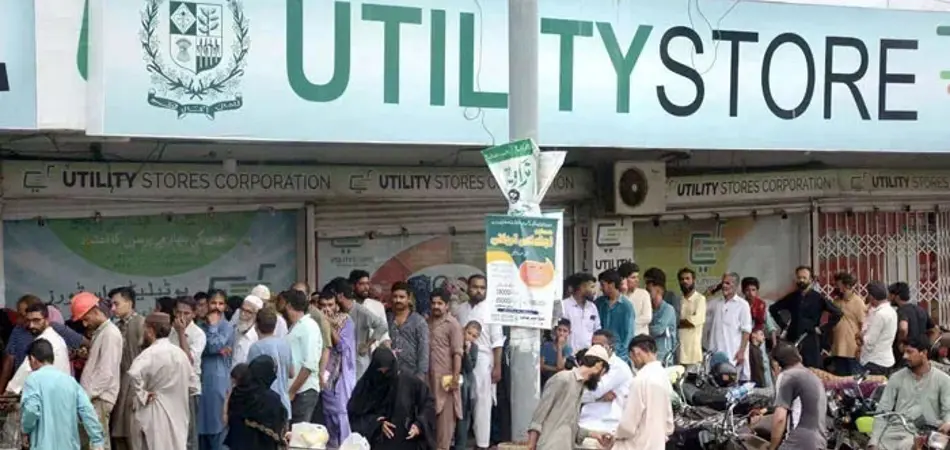
The Finance Division has rejected claims that state-owned enterprises took on Rs. 10.1 trillion in new debt, saying the figure represents the consolidated stock of SOE interest-bearing obligations rather than fresh borrowing. The dispute over the SOE debt Rs 10.1 trillion number has become the latest flashpoint in the debate over Pakistan’s public finances.
According to the Finance Division, additional or fresh loans taken by SOEs stand at about Rs. 164 billion. The larger stock figure reflects the accumulated obligations of state enterprises over time, which rose from roughly Rs. 8.8 trillion to Rs. 10.1 trillion, not a sudden borrowing spree.
SOE debt Rs 10.1 trillion: the Finance Division’s rebuttal
The Finance Division took aim at the comparison behind the claim. The State Bank’s figure of Rs. 2.954 trillion, it said, covers only the bank borrowing of public-sector enterprises, a narrower measure. The broader Rs. 10.1 trillion figure comes from the Central Monitoring Unit and captures the full stock of interest-bearing obligations.
The Finance Division broke the Rs. 10.1 trillion down as follows:
| Component | Amount |
|---|---|
| Cash Development Loans | Rs. 2.098 trillion |
| Foreign re-lent loans | Rs. 2.581 trillion |
| Bank and private-sector loans | Rs. 3.102 trillion |
| Accrued markup and rollover | Rs. 2.181 trillion |
| Other obligations | Rs. 135 billion |
Comparing the SBP’s narrow measure with the CMU’s consolidated stock is “not methodologically valid”, the Finance Division said, because the two count different things.
Why the SOE debt number matters
State enterprise debt sits at the centre of Pakistan’s fiscal debate. Loss-making SOEs have long been a drain on the budget, and their liabilities feed into the circular debt and contingent-liability problems that the IMF watches closely. Pakistan recently reached a staff-level agreement with the Fund for a $1.2 billion tranche, and SOE reform is a standing item on that programme.
The distinction the Finance Division draws is a real one: a rising stock of old obligations, padded by accrued markup, tells a different story from fresh borrowing. But the stock itself, at more than Rs. 10 trillion, underlines how heavy the inherited burden remains, whatever the flow of new loans.
What to watch
The test of the Finance Division’s case will be the flow numbers: whether fresh SOE borrowing stays contained near the Rs. 164 billion figure, and whether privatisation and restructuring start shrinking the stock rather than letting markup pile on top of it. The next quarterly debt bulletin will show which way the line is moving.
FAQ
What is the Rs 10.1 trillion SOE debt figure?
It is the consolidated stock of interest-bearing obligations of state-owned enterprises, as measured by the Central Monitoring Unit, not the amount of fresh borrowing.
How much fresh borrowing did SOEs actually take?
About Rs. 164 billion in additional loans, according to the Finance Division.
Why do the SBP and CMU figures differ?
The SBP’s Rs. 2.954 trillion covers only bank borrowing by public-sector enterprises. The CMU’s Rs. 10.1 trillion adds Cash Development Loans, foreign re-lent loans, private borrowing and accrued markup. The Finance Division says comparing the two is not methodologically valid.
Why does SOE debt matter for the IMF programme?
Loss-making state enterprises and their liabilities are a standing concern in Pakistan’s IMF programme, and SOE reform is linked to the fiscal targets under the staff-level agreement for the $1.2 billion tranche.