WTO raises 2026 trade growth forecast to 3.9pc, counts Pakistan among gainers
The World Trade Organisation has sharply raised its WTO trade growth forecast for 2026, and concluded that some countries, including Pakistan, are actually benefiting from the disruptions caused by the Middle East conflict.
In its Global Trade Outlook Update 2026, the Geneva-based watchdog said its economists had upgraded the forecast for global merchandise trade volume growth to 3.9 per cent for 2026 and 4.1 per cent for 2027. That is a marked improvement on the previous estimates of 1.9 per cent and 2.6 per cent, projected at the start of the US-Iran conflict in March.
WTO trade growth forecast: the new numbers
| Year | Previous estimate | Revised forecast |
|---|---|---|
| 2026 | 1.9pc | 3.9pc |
| 2027 | 2.6pc | 4.1pc |
The report said the global economy had stayed resilient despite the conflict, helped by a stronger-than-expected surge in AI-related capital investment and increased supplies of fuels and fertilisers from countries outside the Middle East.
Pakistan’s 73pc jump in sea freight exports
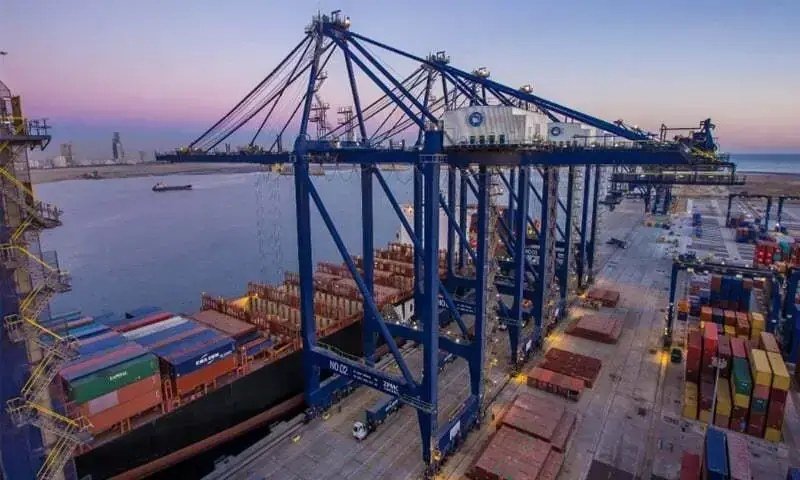
The WTO found that the redistribution of shipping traffic was creating openings for several economies. Pakistan’s exports of sea freight transport services rose by 73 per cent year-on-year in the first half of 2026, as its transport operators picked up business diverted from disrupted routes.
Vessel calls at major container terminals in Karachi were still 14 per cent higher year-on-year in July, the report added, a sign that the rerouting of vessels and containers towards alternative ports and trans-shipment hubs is working in Pakistan’s favour.
Pakistan also featured among the fast-growing exporters of computer services. In the second quarter, computer services exports from Malaysia rose 34 per cent, those from Pakistan by 23 per cent, and from Brazil by 13 per cent.
AI boom and rerouted ships behind the resilience
Two forces explain the upgrade. First, the AI investment boom is pulling trade in capital goods and technology services upward. Second, while several countries faced fuel transport disruptions because of the closure of the Strait of Hormuz, shipping lines adapted, and the rerouting created winners as well as losers.
US exports to the European Union kept expanding, though American exports to Asia and the Pacific fell 2 per cent in the second quarter, showing how trade patterns are shifting rather than collapsing.
What is the Global Trade Outlook?
It is the WTO’s periodic assessment of merchandise and services trade, based on its economists’ modelling of growth, investment flows and policy developments. Thursday’s update replaced the gloomier projections made when the US-Iran conflict began in March.
How is Pakistan benefiting from the disruptions?
With established shipping lanes under strain, carriers have diverted vessels toward alternative ports. Karachi’s terminals have absorbed part of that traffic, lifting both vessel calls and the earnings of Pakistani sea freight operators.
Does this mean Pakistan’s exports are booming overall?
Not quite. The gains are concentrated in services, sea freight and computer services, rather than traditional merchandise exports. The WTO’s point is narrower: in a disrupted trading system, Pakistan’s ports and service exporters are finding new business.