

Greatest Leader of Pakistan: Why Quaid-e-Azam Jinnah Holds the Title
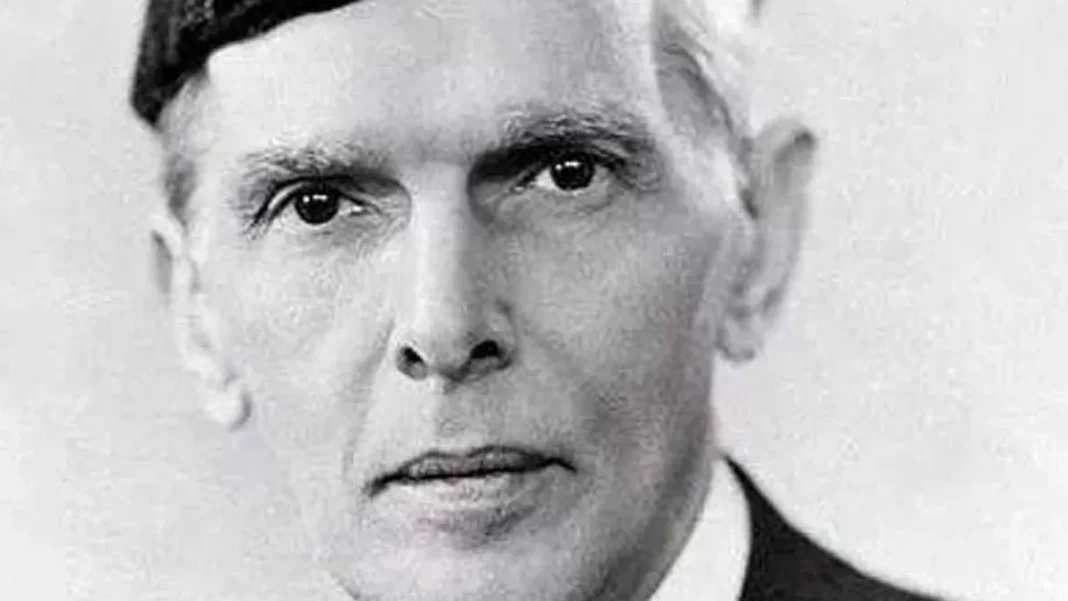
Ask a hundred Pakistanis who the greatest leader of Pakistan is and you will hear one name, a hundred times: Muhammad Ali Jinnah. Not because schoolbooks say so, but because no other figure in the country’s history combined what he combined — legal genius, political courage and the actual creation of a nation. Here is the case, in full.
Quick answer: Muhammad Ali Jinnah (1876–1948), the Quaid-e-Azam (“Great Leader”) and founder of Pakistan, is universally regarded as the greatest leader of Pakistan — a verdict shared by his biographer Stanley Wolpert and by the nation that put his portrait on its currency.
In this guide
The Achievement: Creating a Country
Born 25 December 1876 in Karachi, Jinnah rose from a Gujarati merchant family to become the subcontinent’s most formidable constitutional lawyer, trained at Lincoln’s Inn, London. He led the All-India Muslim League from 1913, steered it through the 1940 Lahore Resolution, and by 1947 had negotiated the creation of Pakistan — then the world’s largest Muslim state — out of British India. As first Governor-General from 14 August 1947, he set up a functioning state amid the chaos of Partition, personally supervising refugee camps for millions. The road from 1857 to 1947 runs straight through him.
The Man: Principle Over Power
What sets Jinnah apart is how he did it: without an army, without violence, through argument and law. He resigned from the Congress in 1920 over principle, refused office for himself repeatedly, and lived — by every account — an incorruptible life. His 11 August 1947 address promising equal citizenship regardless of religion remains Pakistan’s most quoted speech, and the founding text behind the constitutional order Pakistan still lives under.
The Verdict of History
Stanley Wolpert, his biographer, wrote that Jinnah “remains Pakistan’s greatest leader”. Pakistan agreed: his title Quaid-e-Azam means “Great Leader”; his birthday is a national holiday; his mausoleum, the Mazar-e-Quaid in Karachi, is the country’s most visited monument; his face is on its currency. Rivals have come and gone — Bhuttos, Sharifs, Khans — but none has displaced him.
FAQs
What does Quaid-e-Azam mean?
“Great Leader” in Urdu — the title Pakistanis gave Muhammad Ali Jinnah. He is also called Baba-e-Qaum, “Father of the Nation”.
When did Jinnah die?
11 September 1948 in Karachi, aged 71 — barely thirteen months after Pakistan’s creation.
Was Jinnah a religious leader?
No — he was a constitutional lawyer and politician who argued for Pakistan on the grounds of Muslim nationhood and political rights, not theology.