Gul Plaza had no fire alarms or safety measures, witness tells court
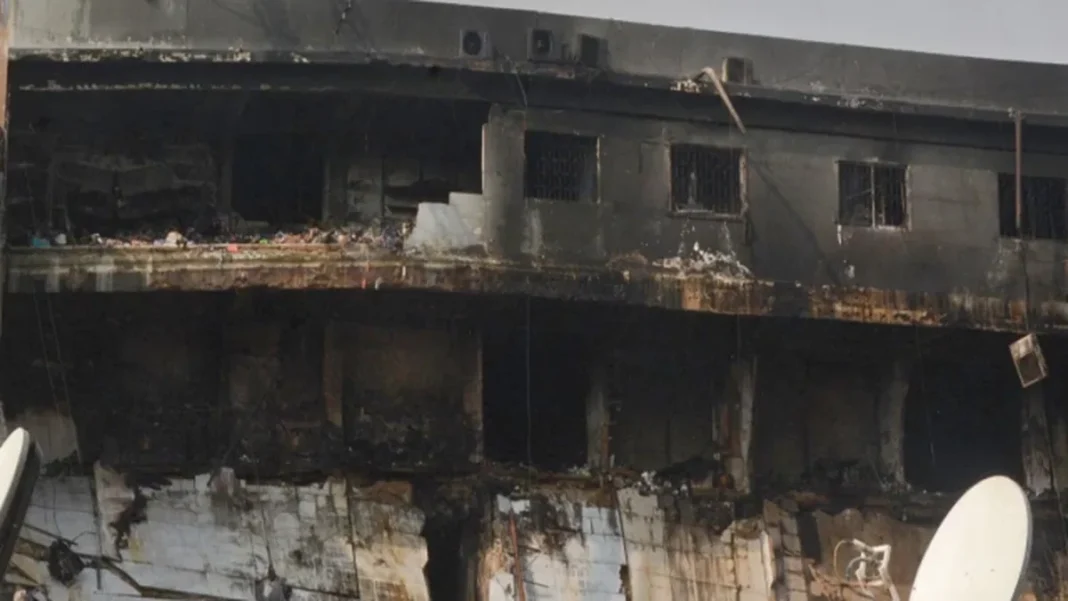
A shopkeeper on Thursday alleged that Gul Plaza had no fire safety arrangements or alarm system, telling a judicial magistrate that the circumstances surrounding the deadly blaze raised suspicions of a conspiracy. The Gul Plaza fire case took the new turn as the witness recorded his statement in Karachi.
The witness, Shahid Paniwala, made the allegations while recording his statement before a judicial magistrate (South) hearing the Gul Plaza fire case. Defence counsel Javed Mir completed his cross-examination of the witness during the proceedings.
Paniwala alleged that negligence by the market administration had left shopkeepers and customers trapped for hours. No effective measures were taken to save lives despite opportunities to do so, he told the court.
Suspicion of a deliberately set blaze
He maintained that since the fire had originated inside the market, responsibility rested with its administration. The intensity and spread of the blaze, he said, had raised suspicions that it was deliberately set. The incident resulted in loss of lives and substantial financial damage, he added.
The witness claimed the market had neither fire safety arrangements nor fire alarms, and that the Gul Plaza traders’ union was not registered. He also referred to a judicial commission report which, according to him, stated that only two to four of Gul Plaza’s 16 entrances were open. The magistrate, however, directed him to focus on his own statement rather than referring to the report.
Paniwala offered to provide videos to support his allegations, but the court observed that such material was not required for the recording of a statement under Section 164 of the Code of Criminal Procedure. He requested that traders should not be labelled a conspiratorial group unless their testimony was proved false.
Gul Plaza fire case: a second witness builds the picture
Paniwala is the second witness to give a Section 164 statement in the case. Earlier this month, shopkeeper Muhammad Arif told the court that 12 to 13 of the market’s gates were locked, that there were no alarms, and that the market collected Rs10 million a month in maintenance — an account Paniwala’s testimony now corroborates on the central points of locked exits and absent fire systems.
The long road to an FIR
The witness told the court that he had sent a letter on January 22 to the deputy inspector general, SSP South and SHO Nabi Bakhsh, seeking registration of a case. When no action was taken, he approached the sessions court. Following court notices, a report was submitted on January 31 stating that the case had already been registered on the evening of January 23.
During cross-examination, the defence questioned the witness about his mineral water supply business, operated under the name “It’s Pure”, and the financial losses he claimed to have suffered in the fire. The witness said his business generated an income of Rs400,000 to Rs500,000 a month, but acknowledged that it was not registered with any department and that he had not submitted laboratory reports to the market administration. He said the administration had never asked him to provide such reports.
All of Paniwala’s claims about the fire’s cause and the market’s safety arrangements are allegations made in court testimony. The defence has cross-examined him, and the case continues.
Sources: Tribune reported the witness statement.
FAQ
Who is the witness in the Gul Plaza fire case?
Shopkeeper Shahid Paniwala, who runs a mineral water supply business called “It’s Pure”. He recorded his statement under Section 164 before a judicial magistrate (South) in Karachi.
What did he allege?
That Gul Plaza had no fire safety arrangements or alarm system, that only two to four of 16 entrances were open, that the traders’ union was unregistered, and that the fire’s intensity raised suspicion it was deliberately set. These are allegations in testimony, not findings.
When was the case registered?
Paniwala wrote to police on January 22 seeking an FIR. After he approached the sessions court, a report submitted on January 31 stated the case had been registered on the evening of January 23.