


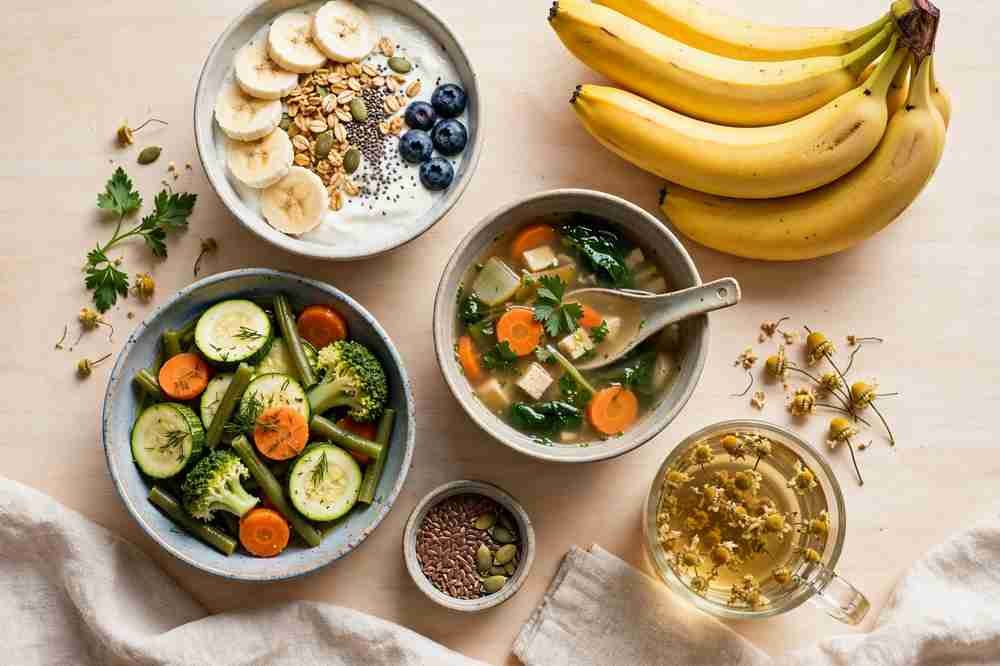
For people living with inflammatory bowel disease (IBD), food is never just food. A harmless meal for one person can trigger days of pain and diarrhoea for someone with Crohn’s disease or ulcerative colitis — and you may have wondered whether certain foods make you sensitive, or even allergic.
This guide explains what IBD is, how food relates to gut inflammation, the difference between food sensitivity and food allergy, the most common trigger foods, and practical ways — including Pakistani-friendly options — to eat well while protecting your gut.
What Is IBD? Crohn’s Disease vs Ulcerative Colitis
Inflammatory bowel disease is a group of chronic conditions in which the immune system mistakenly attacks the digestive tract, causing ongoing inflammation. The two main types are:
- Crohn’s disease: can affect any part of the digestive tract from mouth to anus, though it most often strikes the end of the small intestine. The inflammation is patchy and can reach deep into the bowel wall.
- Ulcerative colitis: affects only the large intestine (colon) and rectum, causing continuous inflammation and ulcers in the innermost lining.
Both conditions cycle between flares (active disease) and remission (symptoms mild or absent). Flare symptoms include abdominal pain and cramping, diarrhoea (sometimes with blood), urgency, fatigue, weight loss and poor appetite.
One thing must be clear from the start: food does not cause IBD. IBD is an immune-system condition shaped by genetics and environment. But food strongly affects how you feel — it can trigger symptoms, worsen the effects of inflammation, or help you feel better.
Food Sensitivity, Intolerance and Allergy: What’s the Difference?
These terms are often used interchangeably, but they mean different things — and the difference matters for IBD patients.
Food allergy
A food allergy is an immune-system reaction to a food protein. It strikes fast — usually within minutes to two hours — and can cause hives, swelling of the lips or face, wheezing, vomiting or, in severe cases, anaphylaxis, a life-threatening emergency. Common allergens include milk, eggs, peanuts, tree nuts, fish, shellfish, wheat and soy. A true allergy is diagnosed medically, and the food must be strictly avoided.
Food intolerance
Food intolerance is a digestive problem, not an immune reaction. The classic example is lactose intolerance: the body lacks enough of the enzyme lactase to digest milk sugar, so milk causes bloating, gas and diarrhoea. Intolerances are usually dose-dependent — a small amount may be fine, while a large amount causes symptoms.
Food sensitivity
“Food sensitivity” is the broader term for when a food makes you feel unwell without a clear allergy or classic intolerance. Symptoms — bloating, gas, cramps, diarrhoea, fatigue — can appear hours or even a day after eating. In IBD, sensitivities are very common: the inflamed gut lining digests less efficiently, so foods that were once fine can suddenly cause trouble, especially during a flare.
The distinction matters: an allergy demands strict avoidance, while a sensitivity often allows flexibility. Many IBD patients who think they are “allergic” to many foods actually have sensitivities that shift with disease activity. Knowing the difference helps you avoid cutting out whole food groups unnecessarily — itself a cause of malnutrition in IBD.
How Food Triggers or Worsens Gut Inflammation
Food rarely causes IBD inflammation directly — the immune system does that. But certain foods worsen the effects of an inflamed gut:
- They irritate the lining: spicy foods, alcohol and caffeine can directly irritate an already inflamed digestive tract.
- They are hard to digest: high-fibre foods (raw vegetables, whole grains, seeds) demand more digestive work, which means more cramping, gas and diarrhoea when the gut is inflamed.
- They feed the wrong bacteria: highly processed foods, excess sugar and certain fats can shift gut bacteria in ways that promote inflammation.
- They speed up the gut: caffeine and sugar alcohols accelerate bowel movements, worsening diarrhoea; very fatty meals can trigger urgency.
- They draw water into the bowel: lactose (in lactose-intolerant people) and sugar alcohols like sorbitol pull water into the intestine, causing loose stools.
The result can be a vicious cycle: the inflamed gut digests poorly, symptoms discourage eating, and poor intake leads to weight loss and deficiencies.
Common Trigger Foods for IBD Patients
Triggers differ per patient, but research and experience point to repeat offenders:
- Dairy products: milk, cream and ice cream — mainly because of lactose. Hard cheeses and yogurt are often better tolerated.
- Gluten and wheat: some IBD patients react to wheat even without coeliac disease.
- High-fibre and raw foods during flares: raw salads, raw vegetables, fruit skins, whole grains, nuts and seeds.
- Fried and fatty foods: pakoras, samosas, fries and greasy curries — harder to digest, and can trigger cramping and diarrhoea.
- Spicy foods: chillies and hot spices can irritate the gut lining during flares.
- Caffeine: chai, coffee and energy drinks can stimulate the bowel and worsen diarrhoea.
- Alcohol: irritates the digestive tract and can interfere with IBD medications.
- Processed foods: packaged snacks, processed meats and foods heavy in additives and emulsifiers may promote inflammation.
- Sugar alcohols: sorbitol, mannitol and xylitol in sugar-free gum, mints and “diet” products can cause gas and diarrhoea.
- Carbonated drinks: can cause bloating and gas.
These are common triggers, not universal ones. Some IBD patients drink milk daily with no problem. Your personal list is what matters — which is why tracking your own responses is so important.
During Flares: The Low-Residue (Low-Fibre) Diet
When IBD is active, doctors often recommend a low-residue diet — “residue” means the undigested material reaching the colon. The goal: give the inflamed gut less work, reducing stool volume, cramping and diarrhoea.
- White rice, white bread, plain pasta and refined cereals instead of whole grains
- Well-cooked, peeled vegetables (potatoes without skin, carrots, pumpkin) instead of raw salads
- Ripe bananas, melons, and cooked or canned fruits without skins or seeds
- Tender, well-cooked chicken, fish, eggs and lean meat
- Avoid skins, seeds, nuts, raw vegetables, whole grains, fried foods and spicy dishes
This is a temporary strategy for getting through a flare — not a permanent diet. Prolonged restriction can cause deficiencies, so work with your doctor or dietitian to broaden your diet as the flare settles.
During Remission: Eating a Balanced Diet
In remission, the goal flips: eat as varied and balanced a diet as you can tolerate. Unnecessary long-term restrictions do more harm than good. Aim for:
- Plenty of fruits and vegetables (reintroduced gradually)
- Whole grains, if tolerated
- Lean proteins: chicken, fish, eggs, lentils and beans
- Healthy fats in moderation
- Calcium-rich foods or alternatives for bone health
Many patients eat almost normally in remission. Reintroduce foods one at a time and watch your response, rather than staying on a flare diet out of fear.
Finding Your Personal Triggers: Food Diaries and Elimination Diets
Because triggers vary so much, the most reliable method is tracking your own responses.
Keep a food and symptom diary
For two to four weeks, record everything you eat and drink plus your symptoms. Note the timing — symptoms may appear hours later. Patterns often emerge: milk at breakfast reliably causing afternoon cramps, or fried food at dinner leading to a bad night.
Try a structured elimination diet
If the diary points to culprits, your doctor or dietitian may suggest removing the suspected food for two to four weeks, then reintroducing it. This is the gold standard for identifying sensitivities. Do it safely:
- Remove only one or two foods at a time, not whole food groups.
- Work with a dietitian so you do not become malnourished.
- Give each elimination at least two weeks before judging.
- Reintroduce to confirm — a food is a true trigger only if symptoms return when you eat it again.
Be cautious about commercial “food sensitivity tests” sold online — most are not scientifically validated and can lead to extreme, unnecessary diets. A supervised elimination diet is far more reliable.
FODMAP Basics in Plain Language
FODMAPs are short-chain carbohydrates that some people digest poorly — found in onions, garlic, wheat, beans, lentils, milk, apples, pears and sugar alcohols. When poorly absorbed, gut bacteria ferment them, producing gas, bloating and diarrhoea — symptoms that overlap heavily with IBD.
Some IBD patients in remission still have irritable-bowel-type symptoms that a low-FODMAP approach can ease. It runs in three phases: elimination (two to six weeks avoiding high-FODMAP foods), reintroduction (testing food groups one by one), and personalisation (keeping only the foods that actually bother you). Do it with a dietitian — it is restrictive and not meant for strict long-term use.
The Gut Microbiome Connection
Your digestive tract hosts trillions of bacteria — the gut microbiome — that help digest food, produce vitamins and train the immune system. In IBD, this community is often out of balance (dysbiosis).
Diet shapes the microbiome daily. Fibre-rich foods feed beneficial bacteria that produce short-chain fatty acids — substances that nourish the gut lining and calm inflammation. Highly processed diets are linked to less microbial diversity. That is why a varied, minimally processed diet matters long-term for IBD patients, even though high-fibre foods must be limited during flares.
Probiotic foods like plain yogurt contain live beneficial bacteria and are often well tolerated — though during severe flares, discuss even these with your doctor. Probiotic supplements are an active research area: some strains show promise for ulcerative colitis, but evidence is mixed, so do not start them without medical advice.
Hydration and Nutrient Deficiencies
Chronic diarrhoea and poor absorption make IBD patients prone to dehydration and deficiencies. The common ones:
- Iron: chronic blood loss (especially in ulcerative colitis) can cause iron-deficiency anaemia — fatigue, weakness, pale skin. Iron-rich foods include red meat, chicken, lentils and spinach; vitamin C aids absorption.
- Vitamin B12: absorbed in the end of the small intestine — the area Crohn’s often affects. Deficiency causes fatigue, numbness and memory problems; supplements or injections may be needed.
- Vitamin D: many IBD patients are deficient, partly from avoiding dairy. It matters for bone health and may play a role in immune regulation.
- Protein: chronic inflammation and poor appetite can cause protein deficiency and muscle loss. Eggs, chicken, fish, yogurt and lentils are good sources.
- Calcium and folate: also commonly low, especially in patients avoiding dairy or taking certain IBD medications.
Sip water throughout the day, and use oral rehydration solutions during bouts of diarrhoea. Your doctor can check nutrient levels with blood tests and recommend supplements where food alone is not enough.
Pakistani-Friendly Diet Tips for IBD
Eating for IBD needs no imported or expensive foods. Many Pakistani staples adapt well:
- Khichdi (soft rice and moong daal): one of the gentlest flare meals — soft, low-fibre, easy to digest, with both carbohydrate and protein.
- Plain yogurt (dahi): often better tolerated than milk; provides protein, calcium and probiotics.
- Boiled or mashed potatoes: peeled and well-cooked — gentle and easy to digest.
- Well-cooked vegetables: pumpkin (kaddu), bottle gourd (lauki), carrots and spinach cooked soft, without heavy spices.
- Clear soups and yakhni: chicken or vegetable broth is hydrating and easy to tolerate during flares.
- Ripe bananas: gentle, low-fibre fruit that helps replace potassium lost through diarrhoea.
- White rice and soft roti: during flares, prefer these over whole-grain or bran-heavy breads.
During flares, cook with minimal oil and mild spices — skip the heavy tarka, whole chillies and fried items until symptoms settle. Eat small, frequent meals, and chew food well.
Red Flags: When to See a Gastroenterologist
Diet manages symptoms but cannot replace medical care. See a gastroenterologist promptly for:
- Blood in the stool, or black, tarry stools
- Severe or worsening abdominal pain
- Persistent diarrhoea lasting more than a few days
- Unexplained weight loss or inability to eat
- Fever alongside digestive symptoms
- Signs of dehydration: dizziness, very dark urine, extreme thirst
- Signs of anaemia: unusual fatigue, paleness, shortness of breath
If you have ongoing digestive symptoms but no formal diagnosis, do not self-diagnose IBD or start restrictive diets on your own — many conditions mimic IBD, and proper diagnosis changes treatment completely.
The Bottom Line
Food does not cause IBD, but it strongly influences how you feel with it. Learn the difference between allergy, intolerance and sensitivity; find your personal triggers with a food diary and supervised elimination; eat gently during flares and broadly during remission; stay hydrated; and watch for deficiencies. With the right medical care and a thoughtful approach to food, most IBD patients can eat well and live fully.
Disclaimer: This article is for general information only and is not medical advice. IBD is a serious medical condition — always follow your doctor’s or dietitian’s personalised plan, and do not start or stop medications or major dietary changes without medical guidance.

: trigger foods, elimination diets, FODMAP basics and diet tips.)