Pakistanis do not vote directly for their president. Instead, an electoral college of parliamentarians and provincial assembly members chooses the head of state — with a clever weighting system that gives each province an equal say. Here is exactly how it works.
Quick answer: Pakistan’s president is elected by an electoral college: the Senate, National Assembly and four provincial assemblies voting by secret ballot. Each province’s votes are weighted equally; the term is five years (Article 41–44).
In this guide
The Electoral College
Under Article 41 of the Constitution, the president is chosen by an electoral college consisting of: the members of the Senate (100), the members of the National Assembly (336), and the members of the four provincial assemblies (Punjab 371, Sindh 168, KP 145, Balochistan 65). Voting is by secret ballot, and polling for parliament and the provinces happens on the same day.
The Provincial Weighting
Here is the elegant part: to stop Punjab’s 371 MPAs swamping Balochistan’s 65, the Constitution weights provincial votes so each province counts equally. Each provincial assembly’s total valid votes are scaled to the strength of the smallest assembly — so a Balochistan MPA’s vote counts as one, while a Punjab MPA’s vote counts as a fraction. Parliament’s votes (Senate + National Assembly) count at face value. The candidate with the most weighted votes wins; the Election Commission of Pakistan conducts the poll.
Who Can Stand
A candidate must be a Muslim, at least 45 years old, and qualified to be elected a member of the National Assembly. Candidates are typically nominated by parties or coalitions — in 2024, Asif Ali Zardari was the joint candidate of the PML-N-led coalition, against PTI-backed Mahmood Khan Achakzai.
The Process Step by Step
- The National Assembly speaker or the ECP announces the election schedule (it must be held 60–30 days before the term expires).
- Candidates file nomination papers, scrutinised by the presiding officers.
- On polling day, parliament votes at Parliament House, Islamabad; each provincial assembly votes in its own chamber.
- Votes are weighted, counted and announced the same day.
- The Chief Justice of Pakistan administers the oath at Aiwan-e-Sadr — most recently to Asif Ali Zardari on 10 March 2024.
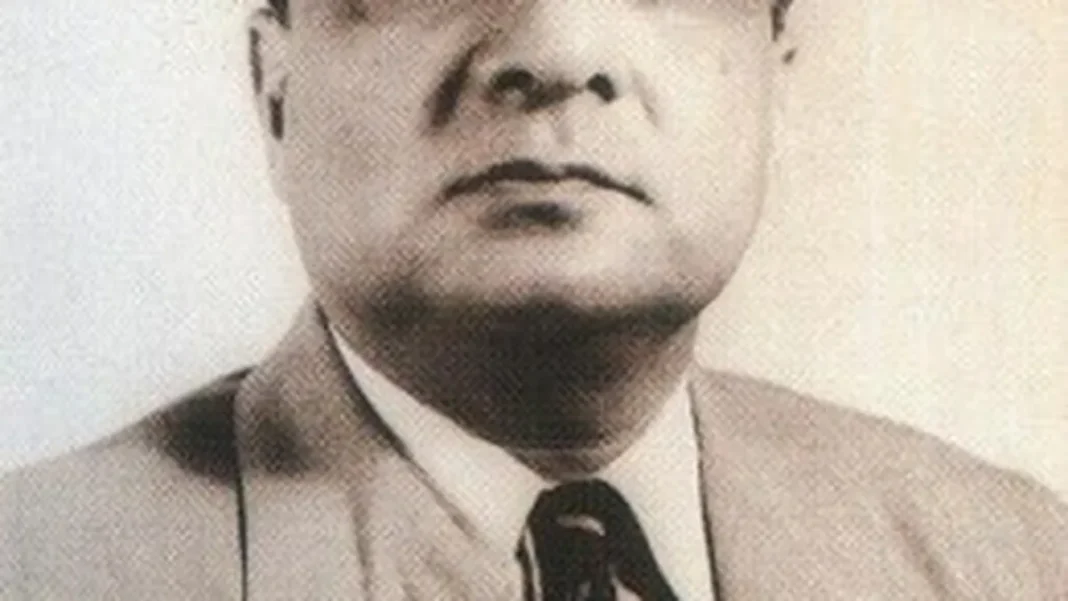
More on the office: 1st president of Pakistan guide.
Frequently Asked Questions
Who votes for the president of Pakistan?
Senators, MNAs and the MPAs of all four provincial assemblies — the electoral college. Ordinary citizens do not vote directly for the president.
How long is the president’s term?
Five years (Article 44), and a president may be re-elected once for a consecutive second term. Asif Ali Zardari’s current term runs from March 2024 to March 2029.