Iran Power Cuts from Sunday as War Hits Energy Grid
Iran power cuts begin on Sunday as damage to key infrastructure during the Middle East war deepens an already severe energy crisis.
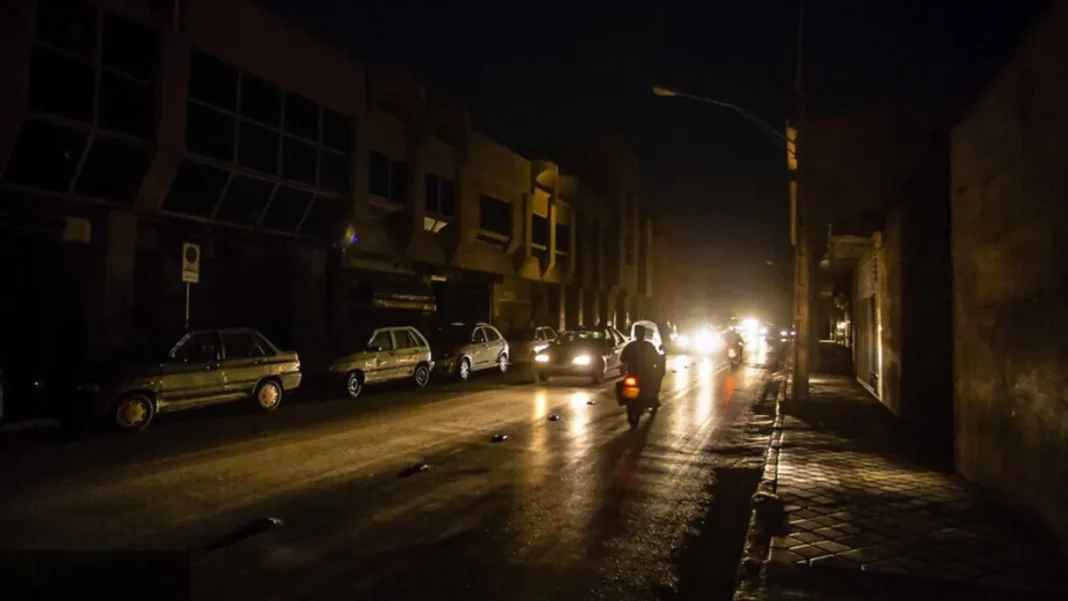
Mohammad Allahdad, head of Iran’s national electricity company, told state television on Saturday that the electricity sector would be forced to impose distribution restrictions from Sunday. The cuts are expected to last around two hours every two days, or up to two hours a day, depending on the area.
Iran has introduced similar measures in recent years because of fuel shortages at power plants. This time, the cuts follow weeks of US and Israeli strikes on the country’s energy infrastructure.
Iran power cuts: why the grid is failing
Iran holds some of the world’s largest oil and gas reserves, yet it has long struggled to meet domestic demand for electricity. Its ageing power grid has suffered from years of underinvestment, partly because of decades of Western sanctions.
Repeated blackouts have sparked public frustration in past winters and summers, forcing the authorities to shut public offices and scale back services during periods of extreme weather and fuel shortages.
President Masoud Pezeshkian said the strikes on Iran’s energy infrastructure had aggravated the problem ahead of winter. He said attacks on the country’s gas infrastructure had made the situation worse and warned that Iran should expect difficulties in the coming winter months.
The war began on February 28, when the United States and Israel launched what they described as a pre-emptive joint strike against Iranian targets. Tehran has retaliated with drone and missile strikes on Israel and on Gulf states hosting US military assets, and it has shut the Strait of Hormuz to shipping.
Trump seeks a permanent deal
US President Donald Trump said he intends to secure a “permanent” deal with Iran, insisting that no future American president should be able to allow Tehran to obtain a nuclear weapon.
Speaking in a phone interview with Fox News, Trump said his approach was shaped by what he described as Iran’s repeated failure to honour agreements. “We make a deal, and then they break the deal the next day,” he said, arguing that any new agreement must prevent Iran from developing nuclear weapons regardless of who occupies the White House.
Trump also addressed suggestions that Washington was pursuing regime change in Tehran, saying his administration had already dealt with successive groups of Iranian leadership. “We’re dealing with the third group, so you could call that the ultimate regime change,” he said.
Hormuz and the Bahrain incidents
Iran’s Foreign Minister Abbas Araghchi said reopening the Strait of Hormuz was “not difficult”, but required the United States to accept “reasonable conditions” under international law and acknowledge its “mistakes” and previous commitments.
The strait carried nearly one-fifth of global crude oil supplies before the conflict, and its closure has sent energy markets into a tailspin. Pakistan has already felt the pressure at the pump, with petrol cut and diesel raised in the latest price revision.
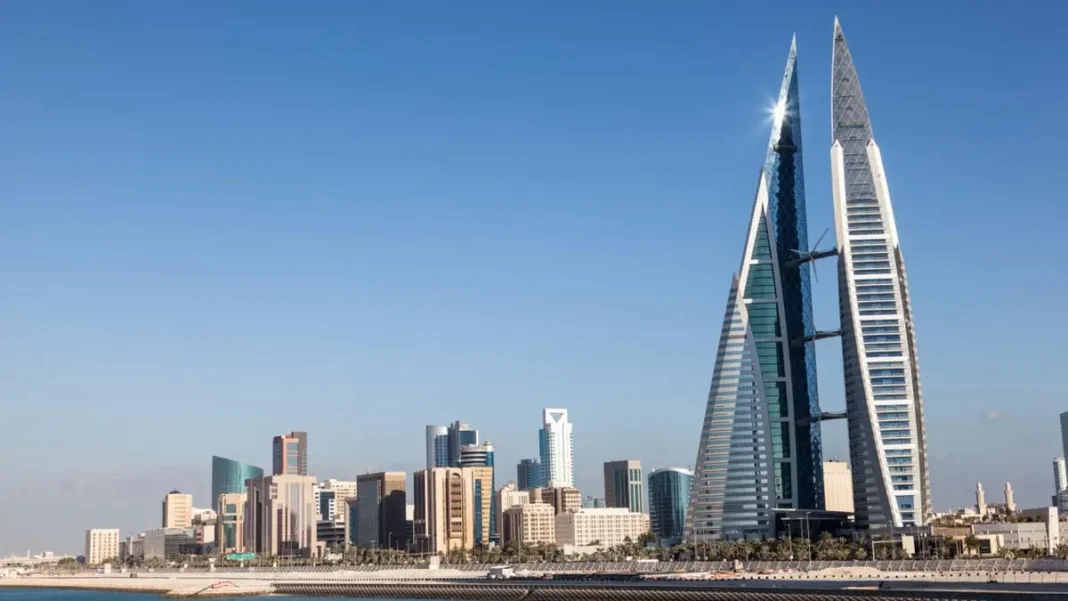
Bahrain’s interior ministry said on Saturday night that a civilian industrial facility had been targeted in what it called “heinous Iranian aggression”, causing a fire at the site. Civil defence brought the fire under control, and preliminary reports indicated material damage with no injuries. Bahrain had earlier warned of a potential threat and urged residents to move to the nearest safe location.
Diplomatic efforts continue in parallel. A Qatari delegation held talks in Tehran as mediation efforts went on, and Deputy Prime Minister Ishaq Dar has said Pakistan emerged as a shared choice for both Iran and the US to host talks. Dar said the choice of Iran was either Muscat or Islamabad, while the choice of America was Doha or Islamabad, and “Islamabad was common.”
What happens next
The power cuts begin on Sunday and will test a grid already under strain from strikes and winter demand. Whether the rationing stays at two hours a day or deepens will depend on fuel supplies and on whether the war eases. Iran says it is in contact with mediators, including Qatar, to see whether another opportunity can be given to diplomacy, while Trump presses for a deal he says must last.
Frequently asked questions
When do Iran’s power cuts start?
From Sunday, November 22, with outages of around two hours every two days, or up to two hours a day, depending on the area.
Why is Iran facing power cuts despite its oil and gas reserves?
Its ageing grid has suffered from years of underinvestment and sanctions, and US and Israeli strikes have damaged energy infrastructure, including gas facilities, ahead of winter.
What did Trump say about a deal with Iran?
He said he wants a “permanent” deal that prevents Iran from obtaining a nuclear weapon and cannot be reversed by a future president.
Is the Strait of Hormuz open?
Iran has shut the strait, which carried nearly one-fifth of global crude oil before the conflict. Its foreign minister says reopening it is “not difficult” if the US accepts reasonable conditions.
What is Pakistan’s role?
Deputy Prime Minister Ishaq Dar has said Pakistan emerged as a shared choice for both Iran and the US to host talks, with Islamabad common to both sides.