KP MPAs Privileges Ordinance Strips Detention Shield
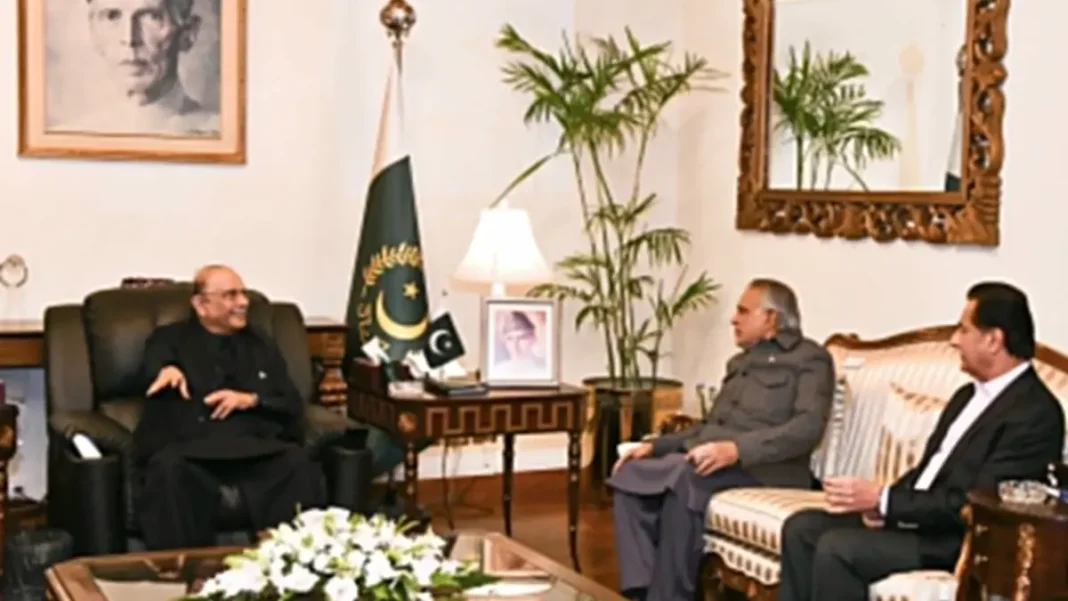
The KP MPAs privileges ordinance is one of five ordinances President Asif Ali Zardari has promulgated for Khyber Pakhtunkhwa, removing most of the privileges of the province’s lawmakers, including their protection against preventive detention.
The President’s House confirmed the move in a statement on Saturday. Four of the ordinances were published in the Official Gazette on November 19, and the fifth covers the salaries and privileges of the provincial assembly’s speaker and deputy speaker.
KP MPAs privileges ordinance: what was removed
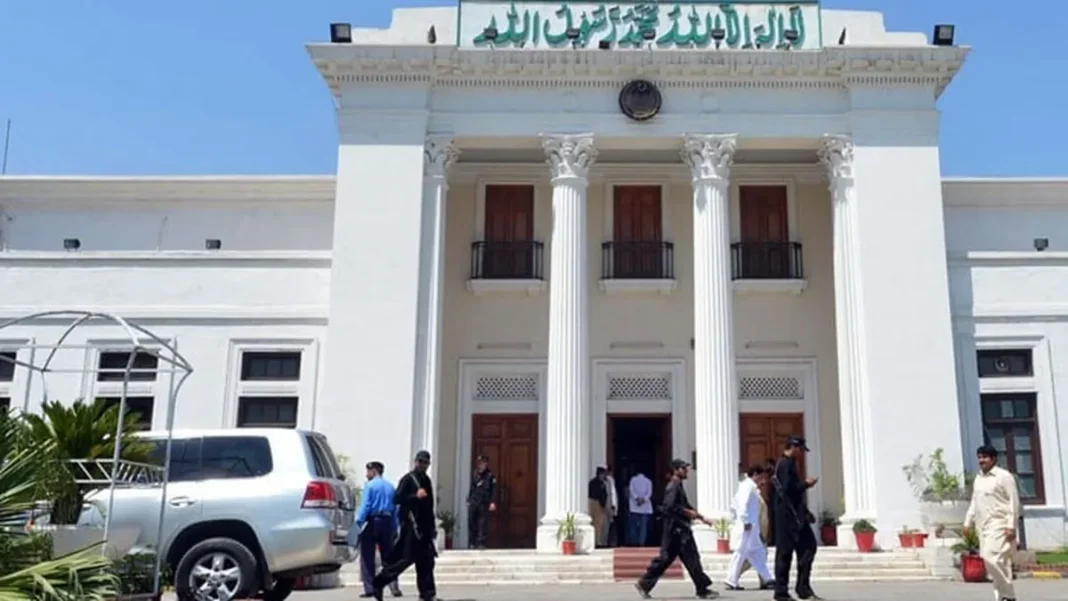
The amendment ordinance rewrites the Khyber Pakhtunkhwa Provincial Assembly (Powers, Immunities and Privileges) Act 2026. It omits 21 of the Act’s 40 sections, including the provisions that shielded MPAs from preventive detention and from prosecution for breach of privilege.
The omitted sections include section 5, on the attendance of a detained or arrested member; section 6, which protected members from civil or criminal action; section 10, on preventive detention; and section 11, which required the speaker’s permission before a member could be arrested or detained. Sections 15 and 22, on the powers to summon and arrest, were also omitted, along with sections 31, 32 and 34, which made breach of privilege an offence. The schedule listing breach-of-privilege offences was removed as well, leaving the assembly and its members without significant privileges.
The five ordinances cover societies registration, special initiatives in specified and other districts, assembly powers and privileges, and the speaker and deputy speaker’s salaries and privileges.
Special initiatives and the executive committee
Two of the ordinances set up an executive committee with wide powers over special initiatives in 12 designated districts and in the rest of the province. A special initiative covers any development scheme, rehabilitation or reconstruction work, procurement of goods and human resources, consulting services, or any other activity involving public funds that the committee designates.
The committee will approve proposals, concept papers and PC-Is, grant anticipatory approval, recommend the executing agency for each initiative, including military organisations and formations, and monitor progress, including through third-party evaluation.
For the 12 designated districts, the prime minister will nominate the chairman, vice chairman and members, and the Area Development Secretariat will serve as secretariat. For the rest, the governor will nominate the members and the planning and development department will act as secretariat.
The committee must meet at least once a month. Decisions will be taken by majority, with the chairman holding the casting vote in a tie, and the chairman may co-opt technical experts. The ordinances override other laws, including the KP procurement and public-private partnership Acts, and no civil court will have jurisdiction over acts or proceedings under them.
The societies amendment adds a provision for religious madressahs: one registered with the Directorate General of Religious Education will no longer need to register under the Societies Registration Act.
A privileges law with a short, troubled history
The Act now amended was passed by the KP Assembly on April 30, 2026, and assented to by Governor Faisal Karim Kundi on May 6. It stayed out of public view for weeks, and when its contents surfaced, it drew sharp criticism for granting MPAs blanket immunity from preventive detention, eight arms licences and lifetime official passports.
In July, the provincial government said it would withdraw the controversial provisions and restore the 1988 law, after Chief Minister Sohail Afridi ordered a review. The new ordinance goes further, removing 21 sections outright.
The context has also changed since April. Emergency and governor’s rule were imposed in the province on October 11, and an Area Representative and Development Council was formed to oversee 12 districts facing intense security challenges, including the merged districts. Governor Kundi has vowed that there will be no compromise on the state’s writ, and the Federal Constitutional Court has ruled on which court can hear the PTI detention cases. Dawn reported that Afridi, whose role as chief minister was rendered non-functional by governor’s rule, Speaker Babar Saleem Swati and other lawmakers have been in preventive detention since the emergency was imposed, according to police.
What happens next
The ordinances have the force of law, but under Article 89 of the Constitution, a presidential ordinance must be laid before Parliament, which can allow it to lapse or disapprove it. The special initiative committees will now be constituted, and their first decisions will show how the new framework works in practice.
The province’s gold mining leases were cancelled by the governor on Saturday over alleged illegal mining, a reminder that the emergency in the province is driven by security as much as by politics. President Zardari also gave assent to 12 amendment bills on Saturday, covering education, science, culture and tourism.
Frequently asked questions
How many ordinances did President Zardari promulgate for KP?
Five, covering special initiatives in designated and other districts, assembly powers and privileges, societies registration, and the speaker and deputy speaker’s salaries and privileges.
What privileges did KP MPAs lose?
Protection against preventive detention, the need for the speaker’s permission before arrest, immunity from civil and criminal action, and the breach-of-privilege offence.
Who decides on special initiatives now?
An executive committee nominated by the prime minister for the 12 designated districts and by the governor for the rest of the province.
How long has KP been under emergency rule?
Emergency and governor’s rule were imposed on October 11, 2026, and Parliament endorsed the step on October 15.
What changes for madressahs?
Madressahs registered with the Directorate General of Religious Education will not need separate registration under the Societies Registration Act.