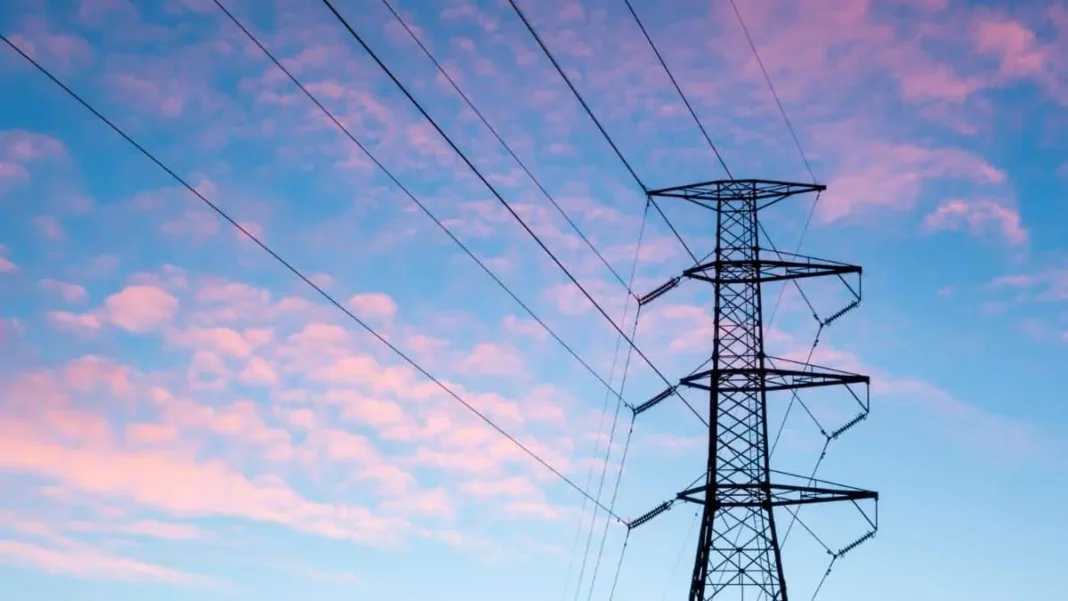
Interior Minister Mohsin Naqvi has announced that electricity poles will no longer be visible in Islamabad within the next two years, as the government plans to shift power infrastructure underground in collaboration with the Islamabad Electric Supply Company (IESCO).
The Islamabad electricity poles underground plan was announced during Naqvi’s visit to Barakahu on Wednesday. Speaking to the media, the minister said authorities were working to remove encroachments and reclaim government land across the federal capital.
Islamabad electricity poles underground: 108 kanals reclaimed in Barakahu
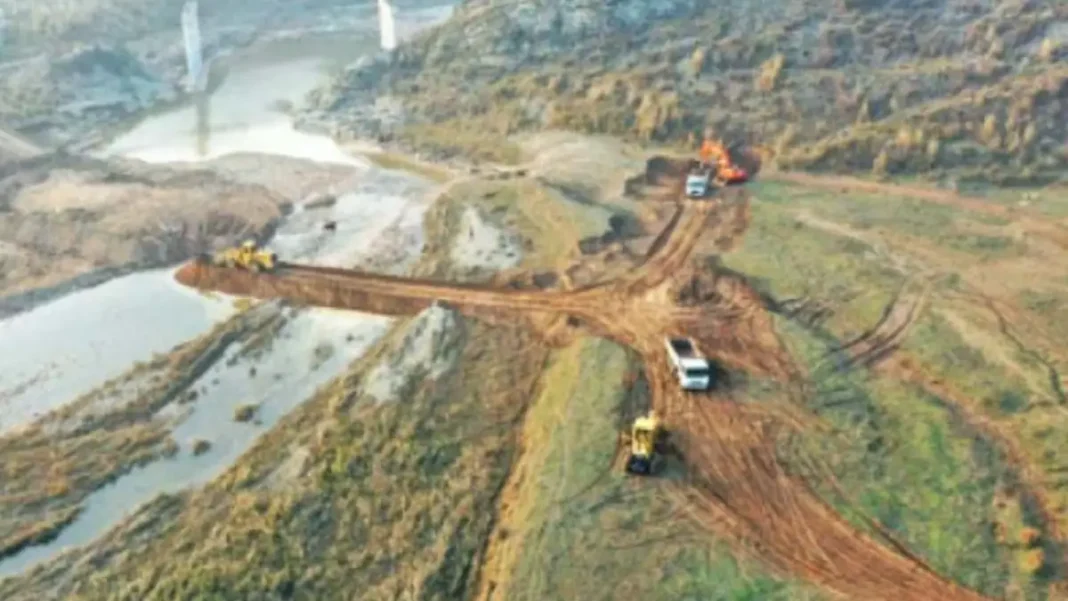
Naqvi said around 108 kanals of land in Barakahu had been illegally occupied for the past 30 years, adding that efforts were underway to remove encroachments and recover the land. The government has made land reclamation a central plank of its capital-cleanup drive.
The minister also announced plans to establish eight major museums showcasing Pakistan’s national culture across approximately 150 acres of land. The museums are meant to give the capital new cultural landmarks, though timelines and locations were not specified.
Cleanliness and roads also on the list
Naqvi said Islamabad’s markets had become dumping grounds and that authorities were working to improve cleanliness. Damaged roads across various sectors would also be repaired, he added.
The minister reiterated the government’s commitment to reclaiming illegally occupied land and improving infrastructure across the federal capital. The underground-cabling project, if delivered on schedule, would change the look of the city’s streets, where tangled overhead wires have long been a fixture. Shifting distribution lines below ground also reduces the risk of electrocution during monsoon rains, when waterlogged poles and snapped wires have caused accidents in the past.
Islamabad has grown fast in the last decade, and its power grid has struggled to keep pace with new housing societies and commercial plazas. IESCO, which supplies the capital and surrounding districts, will handle the technical side of the conversion, including new ducts, transformers and feeder lines. The minister did not say which sectors would be converted first or what the project would cost.
What it means for Islamabad residents
For readers in the capital, the announcement matters on two levels. Buried power lines are less vulnerable to storms, falling trees and accidents, and they remove a common eyesore from commercial areas and housing sectors. The two-year timeline is ambitious for a city the size of Islamabad, and the real test will be whether IESCO begins visible work in the coming months.
Our own reporting gives context to the minister’s infrastructure push. Naqvi recently handed Rs5 million in recovered cash to a victim’s family, and the capital region’s big-ticket projects continue, with the Rawalpindi Ring Road set for inauguration on October 28. Readers can also track how winter gas supply is shaping up, since energy infrastructure is now a year-round story in the twin cities.
ProPakistani first reported the announcement from Naqvi’s Barakahu visit.
Frequently asked questions
When will Islamabad’s electricity poles go underground?
Interior Minister Mohsin Naqvi says the work will be completed within two years, in collaboration with IESCO.
What else did Naqvi announce in Barakahu?
The reclamation of 108 kanals of land occupied for 30 years, eight new museums on about 150 acres, cleaner markets and repaired roads.
Why move power lines underground?
Buried cables are safer, more reliable in bad weather, and remove overhead wire clutter from the cityscape.