Rain gives Lahore clean air for a day, but smog threat looms again
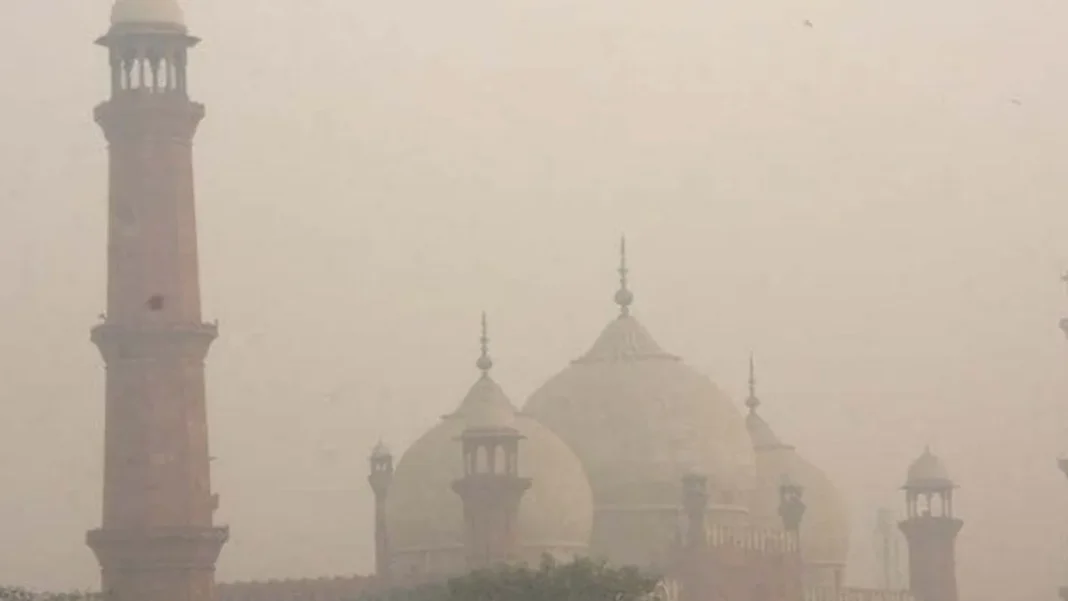
Rain washed Lahore’s air clean on Thursday after days of haze, giving residents a brief break from the Lahore smog along with a cool breeze. The relief, however, may not last.
The Lahore smog threat is expected to return as dry weather settles in from Friday, with officials warning that pollutants could build up again in the coming days. The seasonal smog, which grips Punjab from October through February, is already around the corner.
Lahore smog: what the numbers show
The Punjab Environmental Protection Agency’s real-time monitoring dashboard recorded Lahore’s overall Air Quality Index at 71 at 10:00am on Thursday. That reading sits in the satisfactory category.
It marked a sharp improvement from the same hour a day earlier, when the AQI stood at 132. Readings varied across monitoring stations: Multan Road recorded 109 while Safari Park reported a healthy 41.
The improvement came from a spell of rain and unsettled weather across Lahore and nearby areas. The overnight downpour washed suspended particles out of the atmosphere, and moving air dispersed the pollutants that had been hanging over the city. Cleaner air and better visibility made outdoor conditions far more comfortable.
Why the relief may not last
The Met Department expects dry conditions to return from Friday. Without more rain, the cleansing effect will fade, and fresh emissions will decide how fast the air turns bad again.
An EPD official put it plainly: “If emissions continue and winds remain insufficient to disperse pollutants, the city could experience another increase in particulate pollution, particularly during the early morning and nighttime hours.”
Lahore’s smog has familiar ingredients. Vehicle exhaust, industrial emissions, brick kiln smoke, construction dust and the burning of crop residue all feed the winter haze. Cooler weather then traps the mix close to the ground. Rain is only a short-term fix, and its effect depends on how heavy it was and how quickly new pollution enters the air.
This is part of a wider pollution picture we have been tracking. Our earlier report on the Copernicus findings on Lahore’s ozone pollution showed how the city’s air carries more than one threat, and this year’s uneven monsoon rainfall has made weather patterns harder to predict.
Rain brings its own troubles to Faisalabad
In Faisalabad, early-morning rain gave residents relief from lingering heat but flooded low-lying areas. Water pooled in streets and lanes, causing inconvenience for pedestrians and commuters.
Gulfishan Colony recorded the highest rainfall at 26 millimetres, followed by Jail Road with 25mm. Ghulam Muhammad Abad and Dogar Basti received 24mm each, Madina Town 22mm and Allama Iqbal Colony 21mm, according to a WASA spokesman. The rain began around 4:00am and lasted until about 5:10am.
FAQs
What was Lahore’s AQI on Thursday?
Lahore’s overall Air Quality Index was recorded at 71 at 10:00am on Thursday, placing the city in the satisfactory category. A day earlier, the same reading had been 132.
Will the smog return to Lahore?
Officials say yes, most likely. Dry weather is expected from Friday onwards, and without wind to disperse pollutants, particulate levels could rise again, especially in early morning and nighttime hours.
What causes smog in Lahore?
Vehicle exhaust, industrial emissions, smoke from brick kilns, construction dust and the burning of agricultural residue are the main sources. Punjab’s smog season runs from October through February.
Which areas of Faisalabad received the most rain?
Gulfishan Colony recorded 26mm, the highest in the city, followed by Jail Road at 25mm. The rain fell between 4:00am and 5:10am on Thursday.