Pakistan-Iran border reopened after high-level Tehran talks
The Pakistan-Iran border reopened on Tuesday after Chief of Defence Forces and Army Chief Field Marshal Syed Asim Munir held talks in Tehran, with Iranian readouts quoting him as saying that border issues had been resolved.
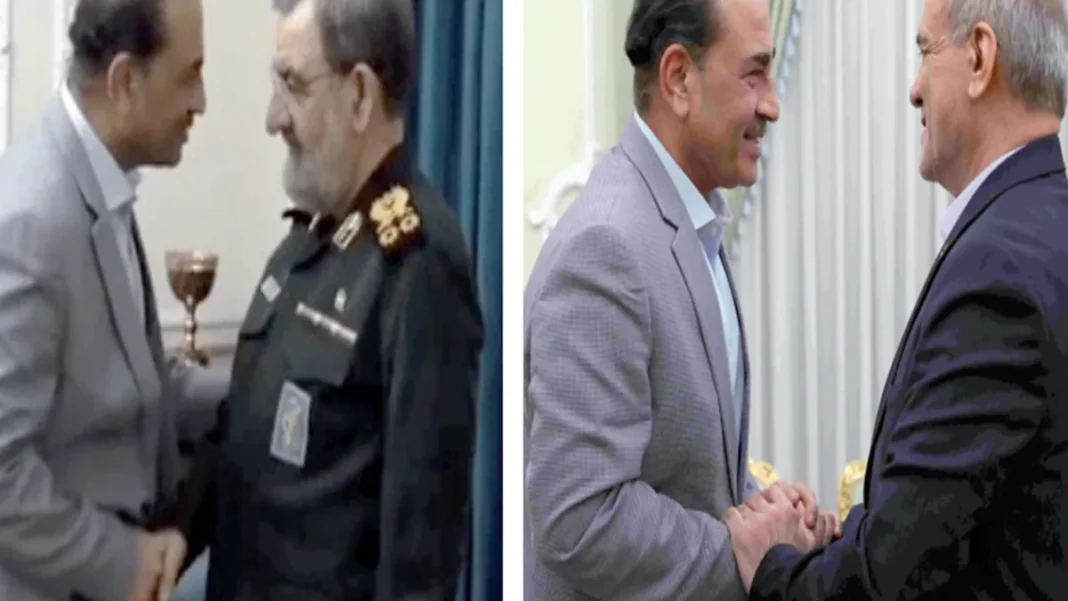
Field Marshal Munir, accompanied by Interior Minister Mohsin Naqvi, met Iranian President Masoud Pezeshkian, Parliament Speaker Mohammad Bagher Ghalibaf, Foreign Minister Abbas Araghchi and General Mohsen Rezaei, the Supreme Leader’s representative and secretary of the Supreme National Security Council.
The visit was the field marshal’s fifth to Iran in recent months. Earlier trips focused on defusing tensions between Iran and the United States, but this one came against a new backdrop: repeated attacks by Yemen’s Iran-aligned Houthis on Saudi energy and airport infrastructure.
There was no official statement from the Pakistani side at the time of reporting. An official familiar with the visit told The Express Tribune that the talks went “very well” and confirmed that the Pakistan-Iran border had reopened.
Why the reopening matters for trade and border communities
The reopening carries real weight for bilateral trade and the movement of people, particularly for communities living along the lengthy Pakistan-Iran frontier.
The border had been closed since around October 18, when reports of a shutdown began circulating. On October 19, the Quetta chamber of commerce appealed for calm while the Ministry of Commerce described the closure as “technical and temporary”, though no reopening timeline was given at that stage.
Iranian readouts quoted Field Marshal Munir telling General Rezaei: “The issues concerning the Iran-Pakistan border have been resolved, and the border has been reopened as of this morning.” In a separate meeting with Ghalibaf, he described the recent border problems as “temporary and technical” and said crossings between the two countries had reopened.
Earlier coverage of the mediation effort during this same visit is available in our report on the Tehran talks.
The wider picture: Iran-US tensions and the Saudi question
The visit landed at a delicate moment for Islamabad. Pakistan has pledged to defend Saudi Arabia under the Makkah Joint Defence Agreement, while also maintaining close engagement with Tehran and trying to revive stalled Iran-US diplomacy.
The Houthi attacks on Saudi Arabia have added a difficult new dimension to that balancing act. Britain has meanwhile moved Typhoon jets to help protect Saudi Arabia from Houthi attacks, a reminder of how quickly the regional picture is shifting.
Tehran used the visit to communicate its position on any future engagement with Washington. Rezaei told the army chief that Iran would not allow its enriched nuclear material to be taken out of the country. “Not even a single particle of enriched nuclear material will leave the country,” he said, describing the material as a national asset for domestic use. He added that Tehran would not enter negotiations until Washington restored trust by meeting Iran’s conditions.
Ghalibaf delivered a similar message, saying Tehran had “nothing new to say” to Washington and that the US could not regain Iran’s trust without fulfilling the seven conditions Iran had presented in New York. He accused the Trump administration of violating what Tehran calls the “Islamabad understanding” and said subsequent US threats had deepened Iranian distrust.
What happens next
Pezeshkian thanked Field Marshal Munir and the Pakistani government for their efforts to reduce tensions and seek a diplomatic solution. According to an Iranian readout, the Iranian president said pressure, threats and sanctions would have to be removed before negotiations could resume. He blamed Washington for the latest regional tensions, including disruptions around the Strait of Hormuz.
The Iranian accounts suggested the field marshal also carried messages between the two sides, receiving what was described as a “clear, serious and explicit” Iranian response to a message from the Americans. No details of either were officially disclosed.
The meetings indicate that Islamabad remains engaged in efforts to bridge differences between Tehran and Washington, despite hardened positions on both sides, against the wider backdrop of US policy on Iran and its regional fallout.
Source: The Express Tribune
FAQs
Why was the Pakistan-Iran border closed?
The border was closed around October 18. On October 19, Pakistani officials described the shutdown as “technical and temporary”, though no reopening timeline was shared at that stage. The closure coincided with heightened Iran-US tensions.
Who did Field Marshal Asim Munir meet in Tehran?
He met Iranian President Masoud Pezeshkian, Parliament Speaker Mohammad Bagher Ghalibaf, Foreign Minister Abbas Araghchi and General Mohsen Rezaei, and was accompanied by Interior Minister Mohsin Naqvi.
What is the Makkah Joint Defence Agreement?
It is the defence pact under which Pakistan has pledged to defend Saudi Arabia against external threats. The commitment sits at the centre of Islamabad’s balancing act as Houthi attacks on Saudi infrastructure continue.