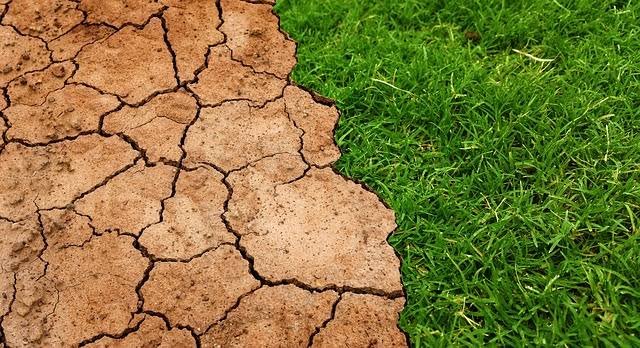
Pakistan counts among the countries worst hit by climate change, with international assessments repeatedly placing it among the nations suffering the heaviest losses from extreme weather. The finding lands at a time when the country is still counting the cost of back-to-back flood seasons.
What the assessments show: Pakistan among worst hit by climate change
The Germanwatch Climate Risk Index has repeatedly placed Pakistan in the group of nations experiencing the most severe impacts from climate-related disasters. In its 2025 edition, Pakistan moved from eighth to first place as the most affected country by climate-related events, according to reporting by The News.
Pakistan contributes less than one per cent of global greenhouse gas emissions, yet it stands on the front line of the damage.
Floods, heatwaves and the mounting cost
The 2022 floods submerged a third of the country, killed more than 1,700 people, affected 33 million and caused damage estimated at $30 billion. According to the Pakistan Economic Survey 2025-26, the 2025 floods claimed more than 1,039 lives, displaced over four million people and affected about 6.5 million. Damage was put at Rs822 billion, or around $2.9 billion, with Punjab bearing nearly 77 per cent of the total.
Federal Minister for Climate Change Dr Musadik Malik said recently that 40 million people in Pakistan have been affected by climate change. He added that six thousand people died and nineteen thousand were injured or disabled in the country’s last five floods, while UNICEF reported that severe monsoon flooding disrupted schooling for more than 28 million students.
Funding cuts amid rising risk
Despite the growing exposure, Pakistan has cut climate-related development spending in its FY2026-27 budget. The federal government allocated Rs2.4 billion ($8.6 million) for climate-related Public Sector Development Programme projects, a decline of more than 60 per cent from the approximately Rs6.4 billion allocated five years ago, according to The News International.
A report by Singapore-based geospatial analytics company AlphaGeo also placed five Pakistani cities among the least resilient major cities to climate risk: Hyderabad second, Multan third, Lahore fifth, Faisalabad seventh and Karachi eighth out of 72 assessed worldwide.
Pakistan is losing close to 1.0 per cent of its GDP every year to climate-related damages, speakers at the Fourth Pakistan Climate Conference said. Addressing the conference, Finance Minister Muhammad Aurangzeb described climate change as one of the country’s most pressing challenges, saying Pakistan is “on the brink of a battle for survival” in the face of worsening environmental threats. He added that Pakistan has access to a $1.3 billion climate facility from the International Monetary Fund, alongside climate financing windows from the World Bank and the Asian Development Bank.
What comes next
Forecasts offer little comfort. The World Meteorological Organisation has warned that a strengthening El Niño, unusually warm oceans and a developing positive Indian Ocean Dipole are likely to reshape temperature and rainfall patterns in the months ahead. The World Bank cautions that a stronger-than-usual El Niño forecast for late 2026 could bring heat stress, erratic rainfall and crop losses.
Climate finance remains the open question. “For Pakistan, climate finance is not charity, it is compensation,” climate policy analyst Ali Tauqeer Sheikh said in a recent interview, noting the country contributes less than one per cent of global emissions yet consistently ranks among the ten most vulnerable nations.
FAQ
Why is Pakistan among the worst hit by climate change?
The Germanwatch Climate Risk Index has repeatedly placed Pakistan among the countries suffering the most severe impacts from extreme weather, even though the country contributes less than one per cent of global greenhouse gas emissions.
What damage did the floods cause in Pakistan?
The 2022 floods killed more than 1,700 people, affected 33 million and caused $30 billion in damage. The 2025 floods claimed over 1,039 lives, displaced four million people and caused Rs822 billion ($2.9 billion) in damage, according to the Pakistan Economic Survey 2025-26.
How is Pakistan’s climate funding changing?
Pakistan allocated Rs2.4 billion ($8.6 million) for climate-related PSDP projects in FY2026-27, down more than 60 per cent from five years ago, even as neighbours increase climate spending.
Related stories
- Bankers’ Work-Life Balance in Pakistan: Long Hours and the Search for Normal Life
- Lahore Named Among World’s Worst Cities for Ozone Pollution in EU Report
- Why Sleep Problems Are Increasing Among Pakistan’s Gen Z
- Climate Change Threatens Kalash Life in Chitral’s Valleys
Originally reported by 247News.