Pakistan-China Trade Data Gap Shrinks 98% After Reconciliation, FBR Says
The Federal Board of Revenue has acknowledged long-standing discrepancies in Pakistan-China trade data but says the gap reported in 2023 fell from 32 percent to 0.54 percent after reconciliation, a 98 percent reduction in the Pakistan China trade data gap.
The statement addresses one of the most closely watched controversies in Pakistan’s trade statistics, where Pakistan’s reported imports from China have for years lagged far behind China’s reported exports to Pakistan on the International Trade Centre’s Trade Map platform.
Pakistan China Trade Data Gap: Why the Numbers Did Not Match
The FBR said differences in trade figures reported by the two countries to the International Trade Centre can arise from variations in data collection, compilation and reporting practices. Such discrepancies alone, the tax authority stressed, do not establish evidence of under-invoicing.
That framing matters because the gap was widely read as a sign of import under-invoicing — importers declaring lower values to evade customs duties — with the difference for China averaging around $4.5 billion a year, according to reporting that drew on official briefings. The Pakistan Bureau of Statistics has since begun receiving reconciled data from the FBR through the Pakistan Revenue Automation Limited and Pakistan Single Window systems, following objections raised by the IMF during its review mission to Islamabad.
What FBR Is Doing Now
The tax authority said it has approached Chinese authorities to expand the electronic data exchange mechanism to include transaction-level information, which is currently unavailable. It has also introduced corrective measures to improve trade data reporting, effective July 2026.
Pakistan Customs is separately addressing concerns about import fraud and under-invoicing through measures to ensure fair and transparent customs valuation, the FBR said.
The Directorate General of Customs Valuation has issued and revised valuation rulings for various products, including yarn and fabrics, in consultation with industry associations and other stakeholders. The valuations take into account international price publications, global market trends and other relevant factors.
The valuation authority has also revised its ruling on polyester filament yarn and is reviewing customs values for additional textile products, including mink yarn, cotton yarn, core spun blended yarn and billiard cloth. The FBR said the ongoing reviews aim to ensure realistic and uniform customs valuations, address industry concerns and protect local manufacturers across sectors including textiles, steel, chemicals, tyres, plastics and automotive components.
Why It Matters for the Economy
Trade data is not just an academic exercise. International organisations such as the IMF and the WTO rely on consistent and transparent trade statistics to assess compliance, monitor performance and calibrate assistance programmes. Inconsistencies erode confidence in fiscal management and invite scrutiny, which is one reason the Fund pressed Islamabad to revise its numbers and publish a full set of reconciled monthly and annual import statistics.
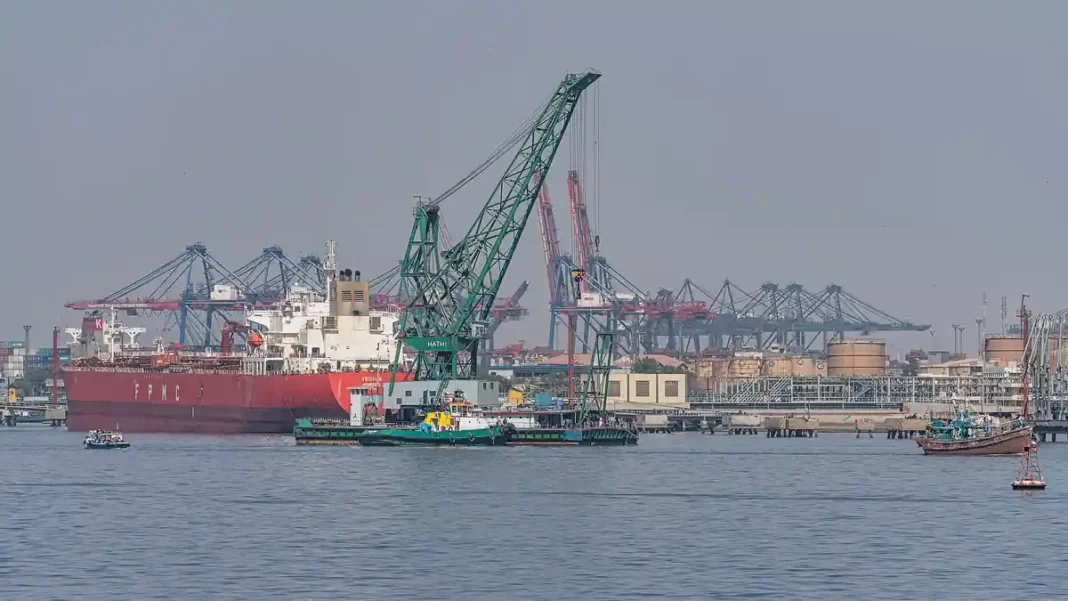
The cleanup also feeds into Pakistan’s broader revenue push. Customs duties are a major source of government income, and narrowing the space for under-valuation directly supports collections. Faster, cleaner processing at ports — where advance filing has already cut cargo clearance to 90 hours at Karachi Port — works alongside the valuation reforms.
Investor sentiment has been fragile in recent sessions, with the KSE-100 falling nearly 2,000 points on October 12 as the K-P emergency rattled the market before buying returned a day later. A credible resolution of the trade-data controversy removes one more source of policy uncertainty hanging over the economy.
FAQs
What is the Pakistan-China trade data gap?
For years, Pakistan’s reported imports from China were far lower than China’s reported exports to Pakistan on the International Trade Centre’s Trade Map, with the difference averaging about $4.5 billion a year. The gap was widely attributed to import under-invoicing and technical reporting differences.
What does the FBR say about it now?
The FBR says the gap for 2023 fell from 32 percent to 0.54 percent after reconciliation. It attributes the differences to variations in data collection, compilation and reporting practices, and says discrepancies alone do not prove under-invoicing.
What steps is the FBR taking?
The authority has approached China to expand electronic data exchange to transaction-level information, introduced corrective reporting measures effective July 2026, and is revising customs valuation rulings for products including yarn, fabrics, textiles, steel, chemicals, tyres, plastics and auto components.