Pakistan Vows to Keep Trading With Iran, Calls US Sanctions Unilateral
Pakistan Vows to Keep Trading With Iran, Calls US Sanctions Unilateral
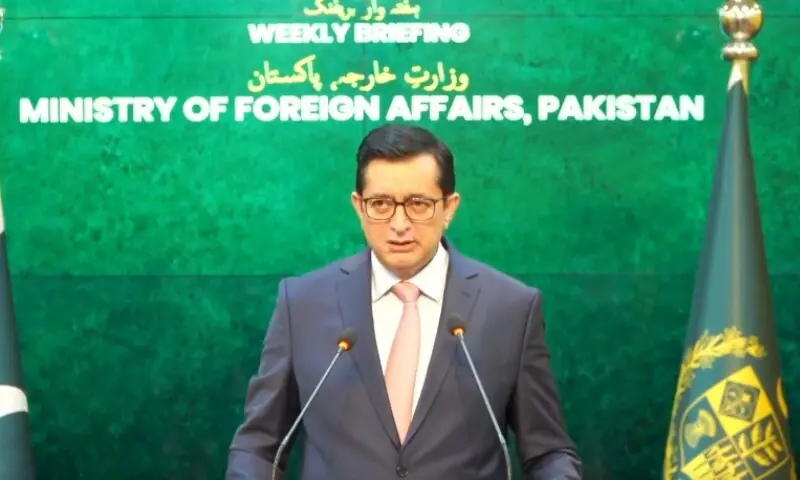
Pakistan’s stance on US sanctions on Iran is now on record: Islamabad will continue its trade with Tehran because American sanctions against the country are unilateral and were never imposed by the UN Security Council, the Foreign Office said on Thursday.
The statement, issued on Thursday and reported on Friday morning, sets out Islamabad’s balancing act: keep commerce with its neighbour going, while underlining commitment to strategic ties with Washington and a rules-based international order. The US sanctions on Iran, the ministry argued, do not carry UN backing and therefore are not binding on Pakistan.
What the Foreign Office said
In its statement, the Foreign Office described Pakistan as committed to international law and said the sanctions imposed on Iran “were not issued by the UN Security Council”. It added that Islamabad would continue its trade with Tehran on that basis.
The ministry also urged both Iran and the United States to exercise restraint and settle outstanding issues through dialogue and diplomacy. It said Pakistan was in contact with all relevant parties over the sanctions and its trade ties with Iran.
Fresh US sanctions on Iran
The remarks followed a decision by the US Treasury on Thursday to widen its economic pressure campaign against Iran. The new measures target the country’s rail and auto sectors and their foreign suppliers, under what the department calls “Operation Economic Outcast”, a programme announced on August 24 to cut Tehran’s funding for its war effort, missile construction, cyber attacks and the Islamic Revolutionary Guard Corps.
The sanctions name Iran Khodro Company and SAIPA, which the Treasury says account for more than 90 per cent of Iran’s domestic car market, along with the state-owned Islamic Republic of Iran Railway Company, Raja Passenger Trains and a major private freight line. Foreign companies in Indonesia, the UAE and Turkey that supply Iran’s auto industry were also designated.
Treasury Secretary Scott Bessent said the action “directly targets Iran’s enablers and lays the groundwork for the United States and our partners to drain the regime’s revenue once and for all”.
A careful diplomatic line
Pakistan has been walking a narrow line for months. The country has positioned itself as a mediator between Washington and Tehran: Prime Minister Shehbaz Sharif held a 50-minute phone call with Iranian President Masoud Pezeshkian earlier, and Iranian Foreign Minister Abbas Araghchi visited Islamabad for talks with the prime minister, Foreign Minister Ishaq Dar and Field Marshal Asim Munir before heading to Oman.
US President Donald Trump has also kept the diplomatic channel through Islamabad open. His envoys Steve Witkoff and Jared Kushner had been expected in the city for face-to-face talks with the Iranians, though the trip was later called off, a step Trump said did not mean a return to war.
Why the sanctions question matters for Pakistan
The question of how to treat unilateral US sanctions has direct consequences for Pakistan’s economy. Trade with Iran covers fuel, food and manufactured goods, and tighter restrictions raise the cost of doing business for traders on both sides of the border. By drawing a line between UN-backed measures and unilateral ones, Islamabad is giving its traders legal cover to keep operating while trying not to antagonise Washington, a key security and economic partner.
Whether that balance holds will depend on how far Washington takes its pressure campaign, and how strictly it expects others to follow it.
FAQs
Are US sanctions on Iran binding on Pakistan?
Islamabad says no. The Foreign Office’s position is that only sanctions imposed by the UN Security Council are binding, and the US measures against Iran are unilateral.
Did the US just impose new sanctions on Iran?
Yes. On October 1, the US Treasury sanctioned Iran’s rail and auto sectors, including its two biggest carmakers and the state railway company, plus foreign suppliers in Indonesia, the UAE and Turkey.
What is Operation Economic Outcast?
It is the Treasury’s programme, announced on August 24, aimed at cutting Tehran’s funding for its war, missile programme, cyber attacks and the Islamic Revolutionary Guard Corps.
Has Pakistan traded with Iran during the sanctions before?
Pakistan has maintained trade with Iran for years despite US pressure, dealing mainly in fuel, food and manufactured goods across their shared border.