


Pakistani trip — travelling like a local. The insider’s Pakistan: food, hospitality, hidden gems, and the customs that open doors.
Quick answer: A Pakistani trip done right: eat where locals queue (Lahore nihari, Peshawar charsi tikka, Hunza apricots), accept the chai, hire local guides, travel the KKH slowly, and learn ten words of Urdu. Hospitality is the real attraction — Pakistanis routinely invite strangers home, refuse payment, and adopt travellers for the day.
Eat Like a Local
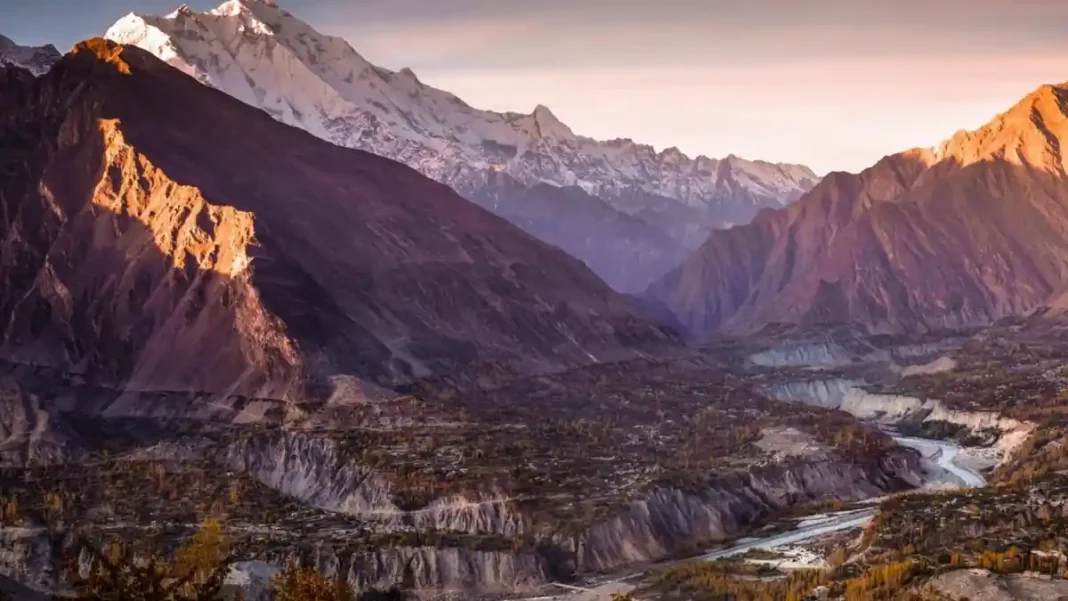
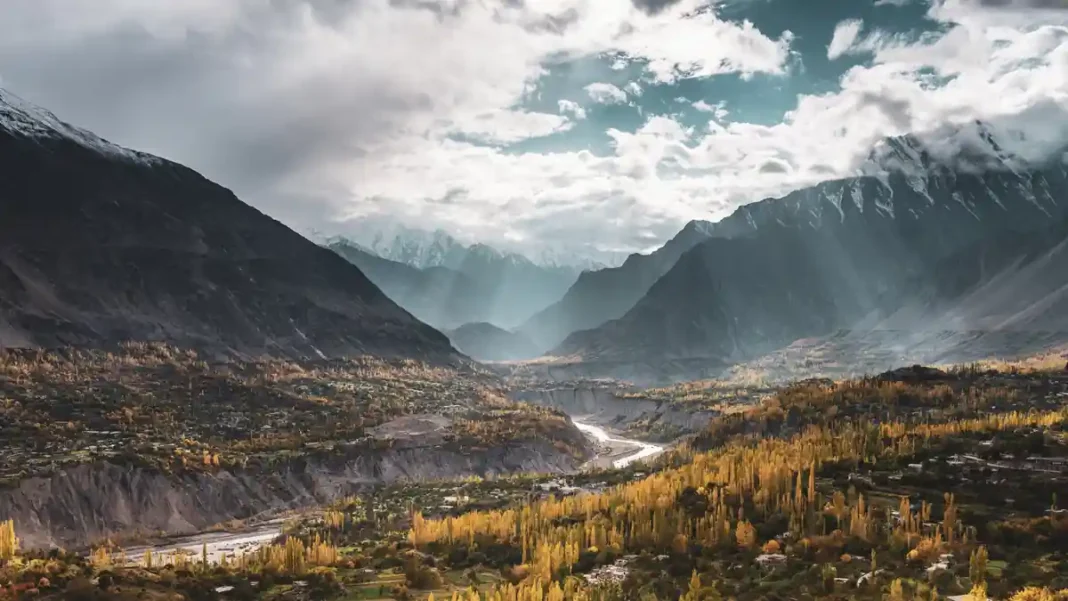
Pakistani food is regional, and eating regionally is the whole game. Lahore: nihari (slow-cooked beef shank), paye (trotter stew), and the Food Street grills in the Badshahi Mosque’s shadow — go at night, when the city eats. Peshawar’s Namak Mandi: charsi tikka and chapli kebabs, cooked over open flame by men who’ve done it for generations. Karachi’s Burns Road: biryani, kebabs, rabri falooda — the country’s greatest food street. Hunza: apricot everything — dried, juiced, in cake — plus walnut cake and hearty local stews. Quetta: sajji, whole lamb roasted over coals.
The rules: eat where the locals queue (the busiest stall is the safest bet); drink bottled water; say yes to doodh patti (milky chai) — refusing tea is the one real insult. For the cautious: stick to freshly cooked, piping-hot food in your first days; vegetarian travellers do fine on daal, sabzi and tandoori roti. The planning side is in our trip to Pakistan guide.
The People: Hospitality as an Institution
Every Pakistan travelogue says it, because it’s true: the hospitality is the trip. Shopkeepers refuse payment (“you’re our guest”), families invite strangers to weddings, and in the north, the Hunzakwali — famously long-lived, welcoming and educated — treat visitors like returning relatives. This isn’t performance; it’s mehmaan-nawazi, the deep cultural code of guest-honour that runs from Karachi to Khunjerab.
Reciprocate gracefully: accept what’s offered (refusing food or tea can offend), bring small gifts for host families (sweets for the kids works everywhere), and let yourself be adopted for the day — the unplanned invitation is usually the best part of the trip. Learn “Assalam-o-Alaikum” (peace be upon you) and “Shukriya” (thank you): ten seconds of Urdu opens more doors than any guidebook.
Customs That Matter
Dress modestly — cover shoulders and knees; women should carry a scarf for mosques and shrines (and will find life easier wearing one generally). Shoes off in mosques and homes. Ask before photographing people — especially women; a smile and a gesture go a long way. Friday afternoons are prayer time — plan around it. Ramadan shifts yearly: restaurants keep shorter daytime hours, but the iftar spreads at sunset are a cultural experience in themselves. None of this is onerous — it’s the basic respect that turns a trip into a welcome.
Hidden Gems
Beyond the headline circuit: the Kalash valleys of Chitral (a unique pagan culture, festivals in May and December); the Makran coast — Hingol’s otherworldly rock formations and Kund Malir beach; Sehwan Sharif and the Sufi shrines of Sindh (the Thursday-night dhamaal at Lal Shahbaz Qalandar’s shrine is unforgettable); Rohtas Fort near Jhelum; Takht-i-Bahi‘s Buddhist monastery; the Shandur Polo Festival (July, the world’s highest polo ground). The overview is in our Pakistan tour guide and the full pillar at Pakistan tour: the complete guide.
Pakistani Trip: FAQs
How do I travel Pakistan like a local?
Eat where locals queue, accept the chai, hire local guides, travel slowly — and learn basic Urdu greetings. The unplanned invitation is usually the best part of the trip.
What should I wear in Pakistan?
Modest clothing — covered shoulders and knees; women should carry a scarf for mosques, shrines and general ease.
Is the hospitality real?
Yes — mehmaan-nawazi (guest-honour) is a deep cultural code. Expect refused payments, wedding invitations and adopted-for-the-day adventures, especially in the north.
What are Pakistan’s hidden gems?
The Kalash valleys, Makran coast, Sufi shrines of Sindh, Rohtas Fort, and the Shandur Polo Festival — beyond the Hunza–Lahore circuit.
, hospitality, hidden gems. The insider's Pakistan. Updated Oct 2026.)