Pezeshkian says Iran-US peace deal 'not out of reach' as war grinds on
Pezeshkian says Iran-US peace deal ‘not out of reach’ as war grinds on
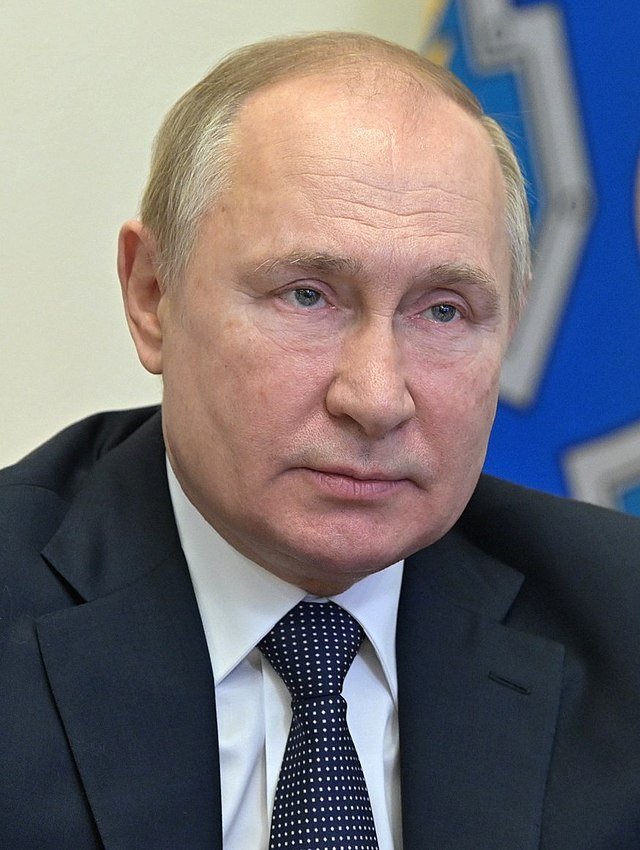
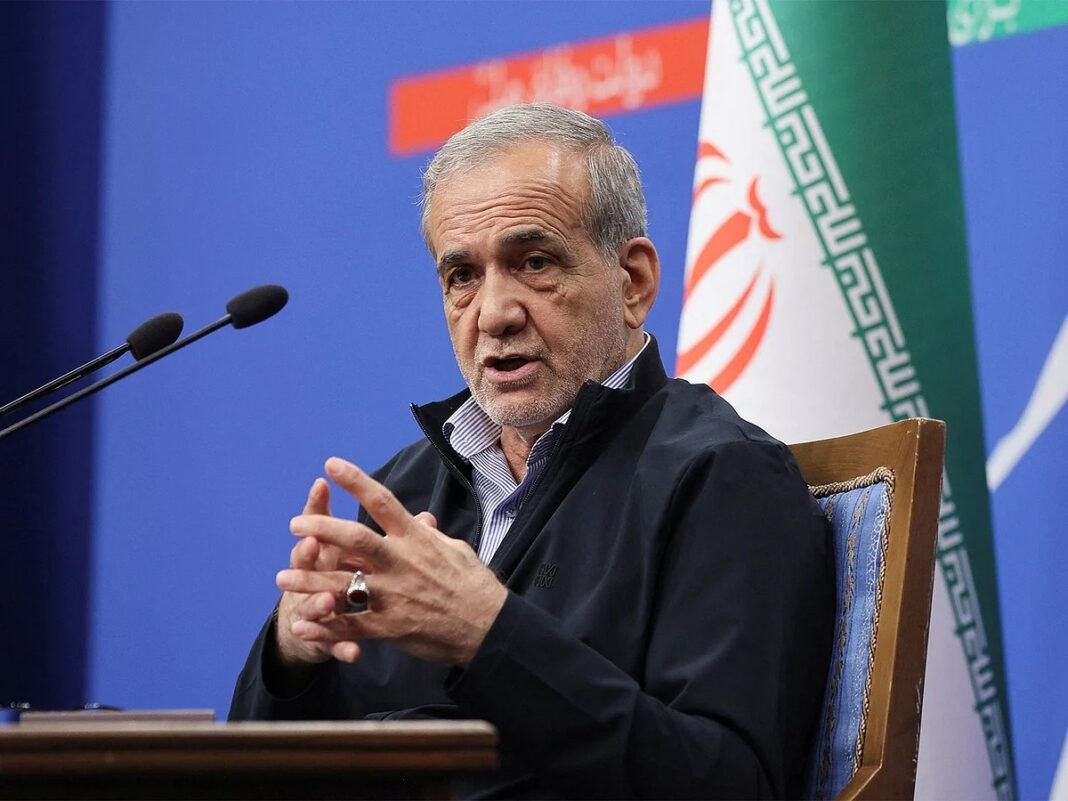
TEHRAN: Iranian President Masoud Pezeshkian said on Wednesday that a peace deal with the United States was “not out of reach”, striking a conciliatory note even as Tehran and Washington hardened the terms for ending a war now in its seventh month. The Iran US peace deal remains elusive, but Pezeshkian’s remark, made in a call with Russian President Vladimir Putin, was the most upbeat signal from Tehran in days of harsh rhetoric on both sides.
Parliament speaker Mohammad Bagher Ghalibaf warned separately that Washington was seeking to foment insecurity inside Iran.
Ghalibaf warns of US bid to stoke unrest
Ghalibaf’s warning reflected Tehran’s long-running suspicion that the United States is pressing for internal upheaval alongside military and economic pressure.
Pezeshkian’s call with Putin
Pezeshkian told Putin that Iran was “fully prepared” for a balanced and fair agreement that ensured lasting regional peace and security, *Al Jazeera* reported, citing the *Fars News Agency*. He said a deal was “not out of reach” if Washington adhered to international legal frameworks, and that Iran’s red line remained the national interests and rights of the Iranian people.
The Iranian president said Tehran was ready to work with its neighbours on regional peace without the presence or interference of extra-regional countries. Putin, for his part, said the United States and Israel should pay war reparations and that Iran should receive long-term security guarantees to prevent a repeat of the aggression.
What an Iran US peace deal would require
Iran’s nuclear programme remains the sharpest disagreement. US Vice President JD Vance told *Reuters* on Monday that Tehran must make a meaningful cut in enrichment capacity to end the war.
A senior Iranian official told *Reuters* that Vance’s demands were at odds with Iran’s, and that no negotiations had taken place with Washington about the nuclear programme. Washington must first meet Tehran’s conditions before nuclear talks can start, the official said, adding that US recognition of Iran’s right to enrichment was a red line Tehran would not show flexibility on.
Hormuz and oil in the crossfire
The Strait of Hormuz remains the centre of the standoff. US Secretary of State Marco Rubio said on Wednesday in Athens that Iran had “lost complete control” of the strait.
Iran pushed back hard. An IRGC commander’s adviser told *Fars* the strait was closed and the armed forces had full control of it until Iran’s legitimate demands were met.
Oil markets rose on the tensions. Brent crude futures rose 75 cents to $101.33 a barrel at 5pm PKT, while US West Texas Intermediate gained 39 cents to $89.83.
Energy crunch at home
Pezeshkian told *Fars* that cultural and sports complexes would be closed if necessary to keep industry running. “We must not allow the production cycle to be damaged,” he said, urging Iranians to cut energy consumption.
UN chief Antonio Guterres this week hailed Islamabad’s role in US-Iran mediation. See also our reports on the US terms for ending the war and Guterres’s praise for Pakistan’s mediation.
FAQs
What did Pezeshkian say about a peace deal with the US?
He said a deal was “not out of reach” in a call with Russian President Vladimir Putin, adding that Iran was “fully prepared” for a balanced and fair agreement if Washington adhered to international legal frameworks. Parliament speaker Ghalibaf separately accused Washington of seeking to stir insecurity inside Iran.
Why is Iran’s enrichment programme the main sticking point?
Vance demands a real cut in enrichment capacity. Tehran says US recognition of its right to enrich is a red line and that Washington must meet its conditions before nuclear talks can begin.
How is the war affecting oil prices?
Brent crude held above $100 a barrel on Wednesday, up 75 cents to $101.33, as traders weighed Hormuz disruption risks.