

Haroon Akhtar Tells Industry to Build Pakistani Brands, Not Just Supply Them
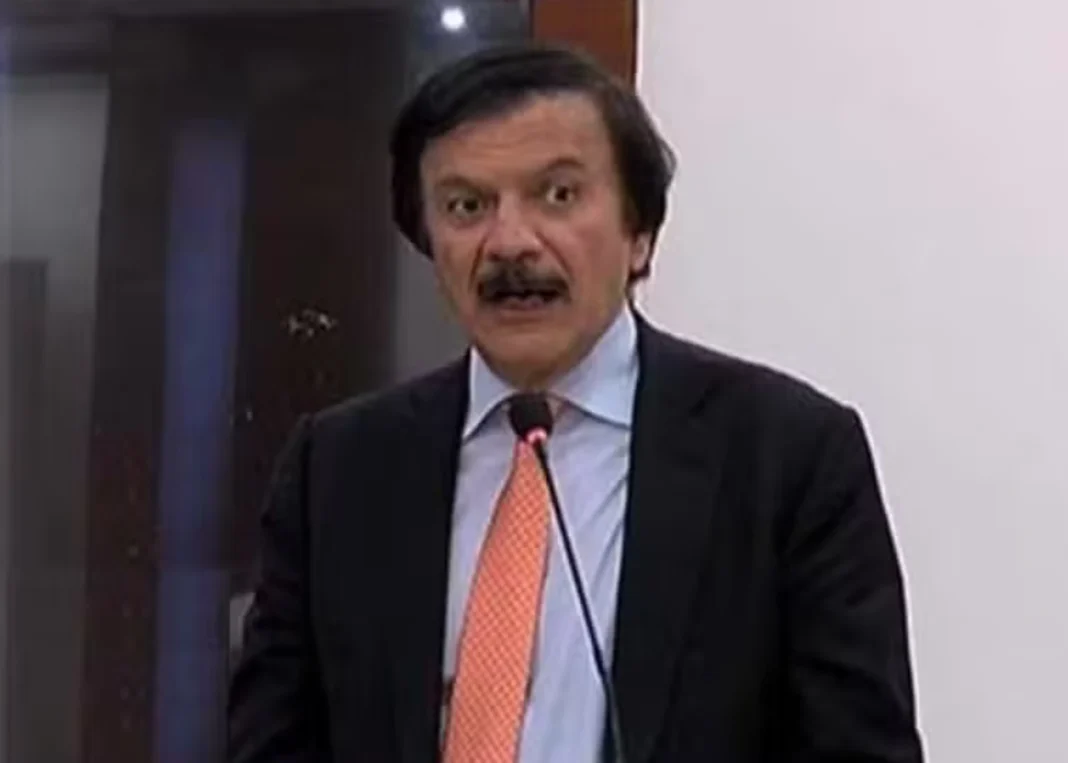
Prime Minister’s Adviser on Industries and Production Haroon Akhtar Khan has called on Pakistan’s industry to build its own Pakistani brands instead of remaining a supplier to global labels. He was addressing a ceremony organised by the All Pakistan Textile Processing Mills Association in Islamabad on Sunday.
Haroon Akhtar said Pakistan’s textile industry was a key pillar of the country’s economic identity and that “Made in Pakistan” goods had established their place in global markets. “The country must now expand this position further,” he said.
He told the gathering that Pakistan needed to produce more, produce better and sell more to the world. The country’s economic direction, he said, should rest on production, exports and private-sector-led growth.
Pakistani brands at the centre of industrial policy
The adviser said the foundation of the National Industrial Policy was being laid on four pillars: production, investment, productivity and exports. Rather than running businesses itself, the government should build the conditions that let private firms thrive, he said, clearing away regulatory obstacles so entrepreneurs could direct their energy toward investment, production and jobs.
On regulation, he promised a cleanup: tariffs would be rationalised, needless rules scrapped, and a “regulatory guillotine” applied to cut dead laws weighing on businesses. Entrepreneurs should spend their energy on investment, innovation and exports, he said, instead of chasing permits and navigating complicated procedures.
Competing on quality, not just cost
Haroon Akhtar warned that Pakistan’s textile industry would have to compete globally on quality, technology, design and sustainability, not only on lower costs. The country also needed to move quickly away from exporting raw materials and toward finished, value-added products.
“Pakistan has a complete and integrated textile ecosystem. The real challenge is to create greater value from it,” he said.
He pressed for investment in modern machinery, technology, skilled human resources and research. Among the major issues facing industry, he listed competitive energy prices, taxes, refunds, financing and trade facilitation.
Capital, he argued, flowed to places where investors felt confident, and it stayed where policies did not keep shifting. Businesses needed a firm assurance, he said, that the basic principles of policy would hold steady.
What the adviser said must happen next
The government could set the framework and open doors to markets, Haroon Akhtar said, but industry had to take advantage of those openings. He called for industrial transformation through cooperation between the government and industry.
He noted that shifts in global supply chains were opening new doors for Pakistan alongside fresh challenges. For international buyers, he said, factors such as quality, sustainability, traceability and delivery speed now carried weight alongside price.
Pakistan’s next textile push should be built on productivity, technology and value addition, he added. “When Pakistani cotton goes abroad, it should carry with it the value of Pakistani technology, design, manufacturing and brands,” he said.
He summed up the goal in four parts: “More investment, higher productivity, greater value addition and increased exports should be our industrial goals.”
FAQs
Who asked industry to create Pakistani brands?
Prime Minister’s Adviser on Industries and Production Haroon Akhtar Khan, speaking at an All Pakistan Textile Processing Mills Association ceremony in Islamabad on Sunday, October 4.
What is the regulatory guillotine?
It is the government’s exercise to identify and remove redundant laws and regulations that burden businesses, so entrepreneurs can focus on investment and production instead of permits.
Why does Pakistan want its own brands?
Haroon Akhtar argued that Pakistan has a complete textile ecosystem but captures too little value from it. Building Pakistani brands would let exporters earn more from each product instead of supplying global labels at thin margins.
What are industry’s main concerns?
According to the adviser, competitive energy prices, taxes, refunds, financing, trade facilitation and policy continuity are the major issues the government is working to address.