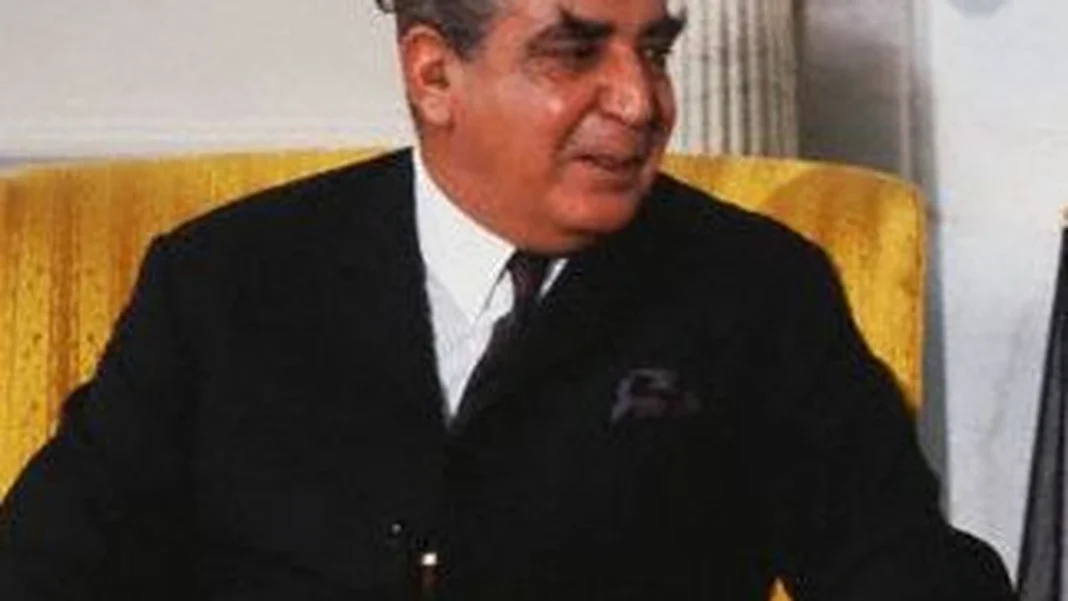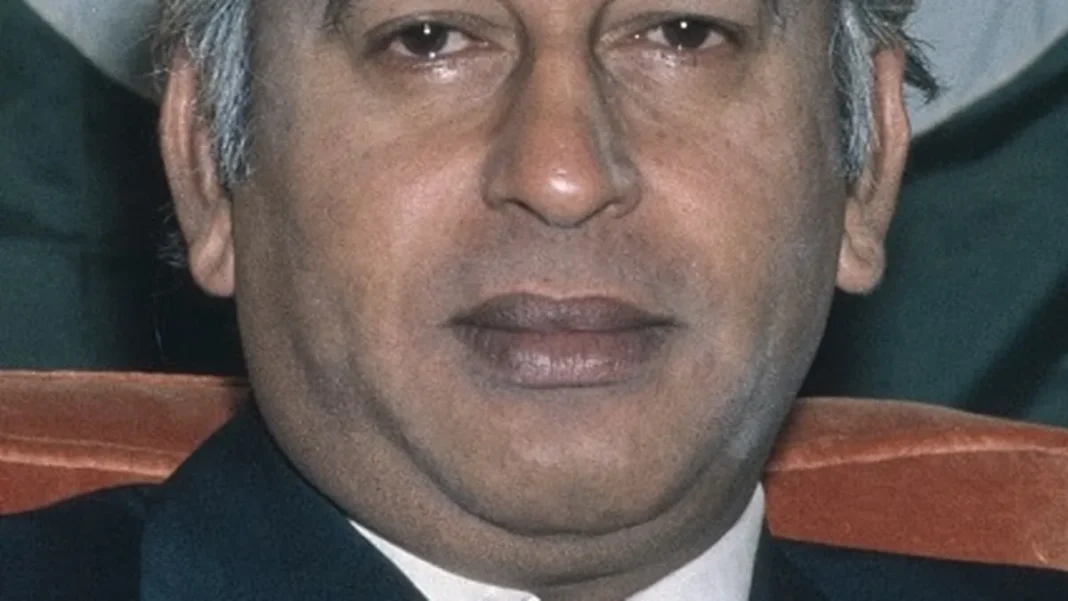
When General Zia-ul-Haq died in a plane crash on 17 August 1988, Pakistan needed a president within hours. The man who stepped in — first as acting president, then as elected head of state — was Ghulam Ishaq Khan, the Senate chairman turned kingmaker of the 1990s.
Quick answer: After Zia-ul-Haq’s death on 17 August 1988, Senate Chairman Ghulam Ishaq Khan became acting president, then won the presidential election in December 1988, serving until 18 July 1993. He dismissed the governments of Benazir Bhutto (1990) and Nawaz Sharif (1993).
In this guide
The Crash and the Succession
On 17 August 1988, a C-130 carrying President Zia-ul-Haq, US ambassador Arnold Raphel and senior generals crashed near Bahawalpur, killing all aboard. Under the Constitution, Senate Chairman Ghulam Ishaq Khan — a career bureaucrat from Bannu who had served as finance minister and defence secretary — became acting president the same day. He announced elections within 90 days, and in December 1988 the electoral college chose him as president proper.
The Presidency (1988–1993)
Ghulam Ishaq Khan wielded the presidency’s old 58(2)(b) power — the Eighth Amendment clause letting the president dissolve the National Assembly — to dismiss Benazir Bhutto’s government in August 1990 and Nawaz Sharif’s in April 1993. His second dismissal was overturned by the Supreme Court, which restored Sharif; the resulting deadlock ended when army chief Abdul Waheed Kakar brokered a deal: both men resigned in July 1993. Ishaq Khan retired to Peshawar and died in 2006. He was succeeded by Farooq Leghari. Full list: president of Pakistan list.
The 1990s: President vs Prime Minister
Ghulam Ishaq Khan’s presidency defined Pakistan’s “troika” era — the president, prime minister and army chief sharing (and contesting) power. His use of Article 58(2)(b) to dissolve assemblies made the presidency the ultimate umpire of 1990s politics, until Nawaz Sharif’s government repealed the clause in 1997. The 18th Amendment (2010) later removed the president’s discretionary powers almost entirely, closing the chapter Ishaq Khan had written.
Frequently Asked Questions
How did Zia-ul-Haq die?
In a C-130 plane crash near Bahawalpur on 17 August 1988. The cause was never conclusively established; sabotage has long been suspected but never proven.
Why was Ghulam Ishaq Khan so powerful?
He combined the presidency’s dissolution power (Article 58(2)(b)) with decades of bureaucratic mastery and establishment backing — dismissing two elected prime ministers in three years, a record no other president matched.