Islamabad Safe City Damage Now Punishable by Jail
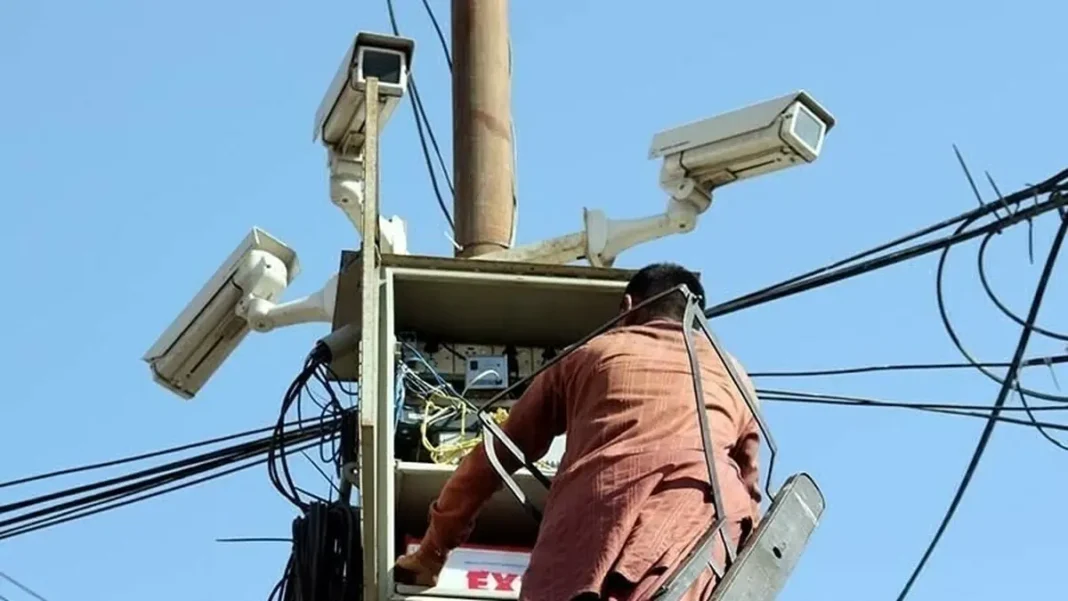
Damaging, destroying or removing any asset of the Islamabad Safe City Authority is now a punishable offence, carrying a minimum of two years in prison, a fine of at least Rs200,000, or both.
The Capital Safe City Authority Ordinance 2026 has been implemented in the capital. Under it, no person may, without lawful authority, damage, destroy, remove, tamper with, interfere with, misuse or obstruct any asset, equipment, surveillance system, communication network, fibre-optic cable, ancillary facility or other infrastructure owned, operated or controlled by the authority.
Anyone who breaks these provisions will face imprisonment of not less than two years, a fine of at least Rs200,000, or both.
Islamabad Safe City law covers cyber interference too
The ordinance also covers attacks on the authority’s data and systems. Legal proceedings will start against anyone who, without lawful authority, interferes with or gains unauthorised access to critical infrastructure, critical information systems or data, or causes damage to an information system, data or device collected, retained, operated or controlled by the authority.
Such offences will be dealt with under sections 3 to 8 of the Prevention of Electronic Crimes Act, 2016.
No suit or prosecution will lie against the authority, its chairperson, vice chairperson, managing director, chief operating officer, any member, officer, employee, expert or consultant for anything done or intended to be done in good faith under the ordinance.
If any provision of the ordinance conflicts with any other law in force, the ordinance will prevail to the extent of the conflict. If any difficulty arises in giving effect to the ordinance, the government may issue orders through a Gazette notification to remove it.
Camera footage becomes evidence in court
Data recorded and held by the authority will be admissible as evidence in any court of law, as set out in Article 164 of the Qanun-i-Shahadat, 1984. An employee of the authority will be deemed an expert within the meaning of Article 59 of the same law and will be considered to have been appointed under section 510 of the Code of Criminal Procedure, 1898.
The government may, through a notification in the official Gazette, make rules to carry out the purposes of the ordinance. The authority may also frame regulations, subject to the ordinance and the rules, to implement its provisions.
Authority can integrate public and private cameras
For security reasons, which must be recorded in writing, the authority may inspect and integrate public and private CCTV cameras and fibre-optic networks without compromising citizens’ privacy, to improve digital surveillance and ensure maximum public security.
This provision will not apply to private residences or other places not open to the public unless otherwise authorised by law.
The authority will issue directives on integration and compliance under the ordinance. Any private or commercial entity that ignores or violates these directives, refuses to implement camera or safety requirements, or obstructs inspection or integration will be issued a warning to comply within 15 days.
How the new law differs from the September ordinance
The jail term marks a step up from the earlier action on Safe City protection. In September, the president approved an ordinance that set fines of up to Rs2 million for each camera or piece of infrastructure damaged, and made organisers responsible for damage during public gatherings.
That move followed the damage to 441 Safe City cameras during protests in 2024, according to officials. The new ordinance adds imprisonment, brings cyber interference under the electronic crimes law, and gives the authority power to fold private cameras into its network.
Shops, offices and housing societies with CCTV systems may now receive integration directives from the authority, and a 15-day warning will precede action against those that refuse to comply.
Safe City cooperation between provinces is already under way, with Balochistan and Punjab working together on surveillance systems. The capital’s ordinance now sets the strictest penalties in the country for damaging such equipment.
Security in the capital has been under strain, and the prime minister paid tribute to the martyred Kohat policemen this week. Ten policemen were killed in an ambush on a police team in Kohat, and two policemen were martyred in a firing on a police van in Swabi. The Safe City network is meant to give police better eyes on the streets, and the new law is designed to keep those eyes open.
What happens next
The authority will now frame regulations and issue integration directives. The first test will be how it uses the power to inspect and integrate private cameras, and whether it keeps the written privacy safeguards the ordinance promises.
Damaging a camera is no longer only a matter of paying for repairs. It can now mean a prison term.
Frequently asked questions
What is the punishment for damaging Safe City equipment in Islamabad?
A minimum of two years in prison, a fine of at least Rs200,000, or both, under the Capital Safe City Authority Ordinance 2026.
What does the ordinance cover?
It covers damage, destruction, removal, tampering, interference, misuse or obstruction of any asset, equipment, surveillance system, communication network, fibre-optic cable or ancillary facility of the Safe City Authority.
Can the authority access private CCTV cameras?
Yes, for security reasons recorded in writing, it may inspect and integrate public and private CCTV cameras and fibre-optic networks. This does not apply to private residences or places not open to the public unless authorised by law.
What happens if a business refuses to follow an integration directive?
The authority will issue a warning to comply within 15 days. The ordinance does not set out the next step in the text reported, but the warning is the first formal action.
Can Safe City camera footage be used in court?
Yes. Data recorded and held by the authority is admissible as evidence under Article 164 of the Qanun-i-Shahadat, 1984, and authority employees are treated as experts for this purpose.