Faisalabad Smog: AQI Hits 600 as Crackdown Widens
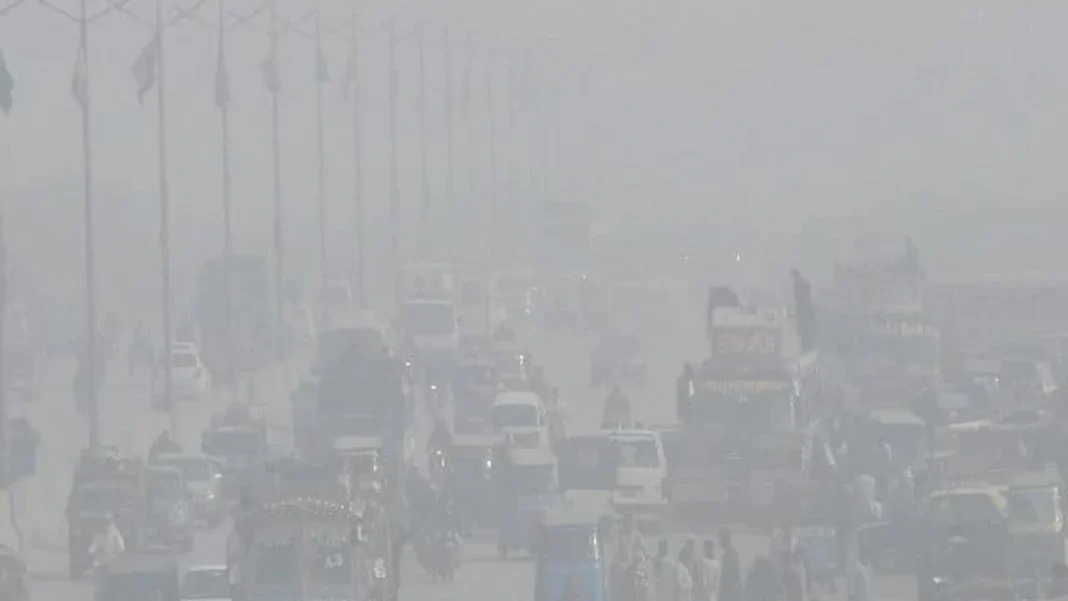
Faisalabad smog pushed the city’s air quality index to 600 on Wednesday, falling in the hazardous category, as authorities ordered a fresh crackdown on the sources of smog across the division.
Officials across Faisalabad division have been told to halt the sale of uncovered construction material at once. Shops found breaking the order face sealing. The city’s live air quality reading was recorded at 600 while the orders were issued.
Commissioner Dr Imran Hamid Sheikh chaired a meeting on anti-smog measures and said strict action was needed to prevent air pollution and smog. He also directed that soil and sand kept outside plant nurseries for sale be covered, since airborne particles add to smog.
Faisalabad smog drive targets construction and kilns
The commissioner ordered officials to make sure that construction material at ongoing development project sites was properly covered, leaving no room for violations.
He called for double-checking the installation of suction hoods at barbecue outlets, and directed authorities to close establishments found working without the required equipment. Night inspection teams will monitor compliance and take action against violators.
He directed the relevant departments to ensure regular water sprinkling on roads to minimise the effects of smog and remove other sources of air pollution. The Agriculture and Revenue departments were told to monitor fields continuously and prevent the burning of crop residues.
The commissioner also directed the Environment Protection Agency to seal industrial units emitting toxic smoke or breaking environmental standard operating procedures, with monitoring to continue round the clock.
EPA reports 812 inspections and Rs6.8m in fines
Deputy Director Environment Tahir Abbas Syial told the meeting that the EPA had stepped up inspections and enforcement against industrial units, brick kilns, suction hood violations, stubble burning, open waste burning, construction sites, vehicle emissions and the use of single-use plastics.
He said the industrial sector was a major contributor to smog-related pollution.
The EPA had conducted 812 inspections of industrial units over the past month and a half, finding 79 violations and imposing fines of Rs6.8 million. Five units were sealed, a first information report was registered against one unit, and another was demolished.
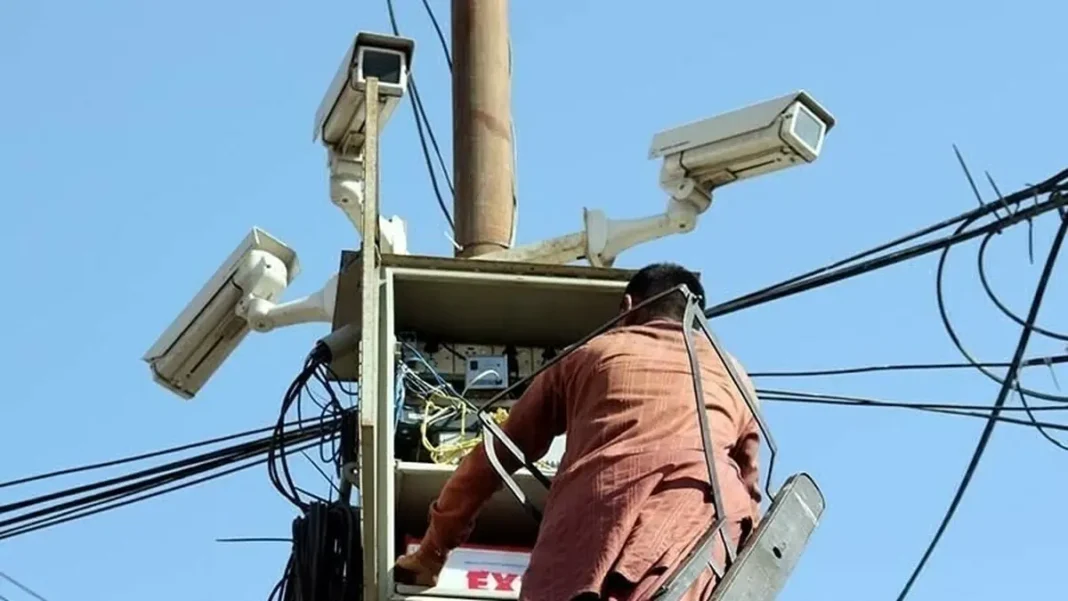
The department also issued 375 seven-day notices to industrial owners and obtained camera access to 267 units. On brick kilns, Syial said 839 inspections had been conducted, resulting in 56 violations.
Why Faisalabad’s air turned hazardous
An air quality reading of 600 sits far above the level considered safe. At that level, the air is hazardous for everyone, not only for children, the elderly and people with breathing problems. Outdoor activity becomes a health risk, and visibility drops sharply on the roads.
Faisalabad’s smog has the same roots as the smog in Lahore and other Punjab cities. Vehicle exhaust, industrial smoke, brick kilns, crop residue burning and dust from construction all add particles to the air. Cool, still winter air then traps the pollution close to the ground.
The crackdown in Faisalabad comes as Punjab fights smog on several fronts. The Punjab Environment Protection Agency linked Diwali fireworks in India to a spike in the province’s air pollution, and Lahore challaned 11,871 smoke-emitting vehicles. The Faisalabad figures show that the problem reaches well beyond the provincial capital.
Faisalabad has been in the news for other civic problems this month. A school was sealed after its roof collapsed and injured a pupil. The smog crackdown adds another test for the city’s administration.
What happens next
The night inspection teams and round-the-clock EPA monitoring will show whether the orders change behaviour on the ground. The test will be the next air quality reading, and whether the fines and sealing push factories, kilns and builders to cover their material and fit the required equipment.
For residents, the advice stays the same during hazardous air. Limit outdoor activity, wear a mask outside, and keep windows shut where possible. The city’s air will only clear when the sources of pollution are controlled, and that work has now started in earnest.
Frequently asked questions
What was Faisalabad’s air quality index?
The city’s live air quality index was recorded at 600 on Wednesday, which falls in the hazardous category.
What action has the Faisalabad administration ordered?
Officials must halt the sale of uncovered construction material, cover soil and sand at nurseries and building sites, check suction hoods at barbecue outlets, run night inspections, sprinkle water on roads and stop crop residue burning.
How many industrial units has the EPA inspected?
The Environment Protection Agency conducted 812 inspections of industrial units over the past month and a half, finding 79 violations and imposing fines of Rs6.8 million. Five units were sealed.
What did the EPA find at brick kilns?
The EPA conducted 839 inspections of brick kilns, resulting in 56 violations.
Why is the air in Faisalabad so polluted?
Vehicle exhaust, industrial smoke, brick kilns, crop residue burning and dust from construction all add particles to the air, and cool, still winter air traps the pollution close to the ground.