Salaried workers carry the heaviest load: salaried class tax
Pakistan’s salaried class paid Rs144 billion in income tax during July to September, far more than retailers and the real estate sector combined, provisional Federal Board of Revenue data shows.
The figure exceeded the Rs54 billion collected from retailers and real estate put together, underlining how heavily the tax system leans on salaried individuals. Their contribution rose by Rs13.4 billion, or 10.2 per cent, from a year earlier.
The data comes as the International Monetary Fund presses Pakistan to tax the salaried class even more heavily. The FBR has objected to the IMF’s proposal, counter-offering a far smaller increase, while the prime minister has pushed back on some of the lender’s conditionalities.
The Q1 numbers
| Segment | Jul-Sep collection |
|---|---|
| Salaried individuals | Rs144bn (+10.2% YoY) |
| Wholesalers | Rs6.2bn (-10%) |
| Retailers | Rs11.3bn (+8.3%) |
| Wholesale + retail withholding | Rs18.4bn (+1.3%) |
| Real estate | Rs35.2bn (-38%) |
| Retailers + real estate combined | Rs54bn |
Real estate collections slide after tax cuts
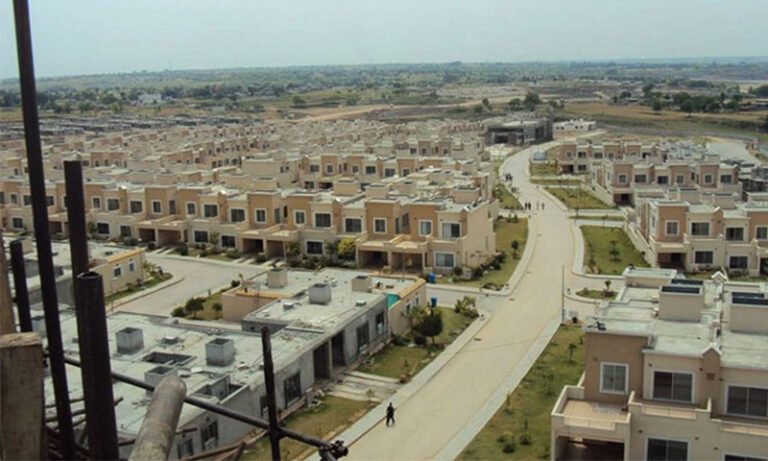
Income tax collected from the real estate sector fell 38 per cent year on year to Rs35.2 billion in the first quarter of fiscal year 2026-27. The drop followed the government’s decision to halve advance taxes on property sales and purchases, a cut endorsed under the IMF programme.
Tax collection from property sales dropped 42 per cent to Rs23 billion from Rs39.5 billion a year earlier. Collections on property purchases fell 31 per cent to Rs12.2 billion from Rs17.7 billion. The government reduced the tax rate on property purchases from 2.5 per cent to 1.25 per cent, while a single 2.75 per cent rate replaced three slabs for property sales, down from the previous 5.5 per cent.
The real estate sector paid Rs200 billion in income tax in fiscal year 2023-24, rising to Rs236 billion in fiscal year 2025-26 before the latest rate cuts took effect.
Meanwhile, withholding taxes from wholesalers and retailers totalled Rs18.4 billion in the quarter, up just Rs244 million, or 1.3 per cent, from a year earlier. The FBR introduced a fixed tax scheme for retailers, but the collections show little overall growth in that segment.
Rising burden despite relief
The salaried class’s annual contribution has climbed from Rs391 billion before the IMF programme to Rs629 billion by June 2026, according to official figures.
The government said its latest budget provided Rs52 billion in relief to salaried taxpayers through rate cuts of up to 3 percentage points, the abolition of a 9 per cent surcharge, and an increase in the annual income threshold for the maximum 35 per cent rate from Rs4.1 million to Rs7 million.
But salaried households continue to face pressure from higher fuel costs. The government is passing on international oil prices in full and charging a petroleum levy of Rs80 per litre alongside a climate support levy of Rs5 per litre, costs that are feeding into the prices of everyday goods.
The tax gap persists despite Prime Minister Shehbaz Sharif’s earlier promise to reduce the burden on salaried workers after broadening the tax base. The latest figures show revenue from salaried individuals keeps rising while property transaction collections fall and wholesale and retail payments stay largely flat.
Frequently asked questions
How much tax did the salaried class pay in Q1?
Rs144 billion in income tax during July to September, up 10.2 per cent from a year earlier, according to provisional FBR data.
What is the IMF asking for?
The lender is pressing Pakistan to tax the salaried class more heavily. The FBR has objected to the proposal and counter-offered a much smaller increase.
Why did real estate tax collections fall?
The government halved advance taxes on property sales and purchases under the IMF programme, cutting the purchase rate from 2.5 to 1.25 per cent and replacing three sale slabs with a single 2.75 per cent rate.
Related stories
Originally reported by propakistani.pk.