DRAFT — Pakistan, Qatar Agree to Strengthen Internal Security Cooperation
- Suggested slug: pakistan-qatar-internal-security-cooperation
- Category: National News
- Focus keyphrase: Pakistan Qatar security cooperation
- SEO title: Pakistan, Qatar agree to strengthen security cooperation
- Meta description: Mohsin Naqvi met his Qatari counterpart in Doha as Pakistan and Qatar agreed to deepen internal security cooperation and discuss regional peace.
- Tags: Pakistan Qatar relations, Mohsin Naqvi, internal security, Doha, regional peace, Pakistan foreign policy, security cooperation
- Original element: explainer context plus own data point — places the Doha meeting inside Pakistan’s wider mediation arc, linking to our October 20 coverage of the Munir Tehran visit and the Russia off-ramp offer in the Pak-Afghan standoff
- Source: https://www.dawn.com/news/2038488/pakistan-qatar-agree-to-strengthen-internal-security-cooperation (Dawn, published 11:02 PKT 20 Oct 2026)
- Story date: 20 October 2026
—
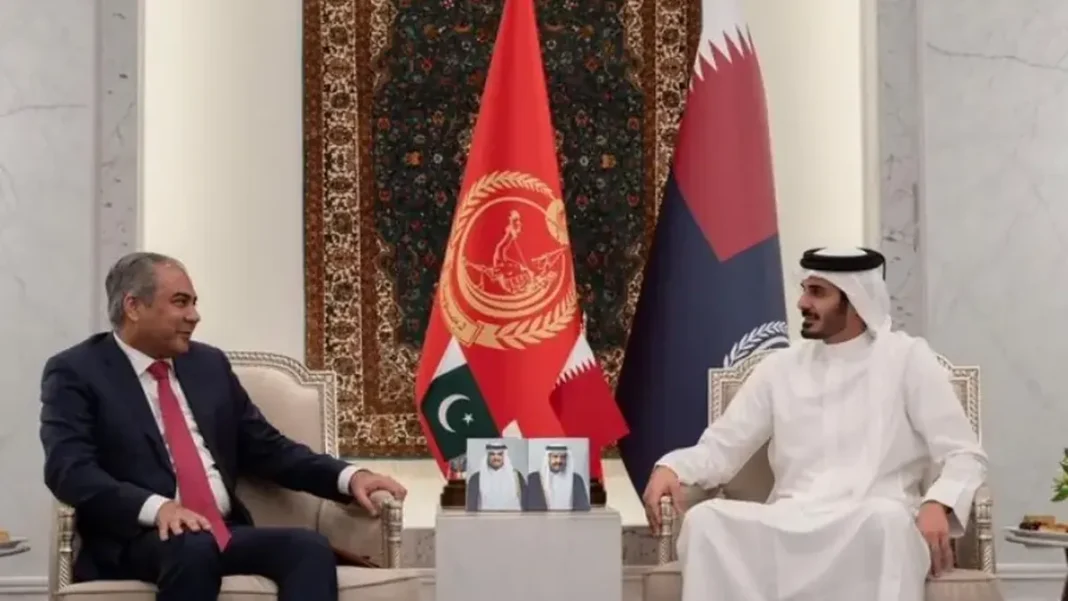
DOHA: Interior Minister Mohsin Naqvi and his Qatari counterpart, Sheikh Khalifa bin Hamad bin Khalifa Al Thani, have agreed to strengthen bilateral cooperation in internal security, according to a statement issued by the Interior Ministry on Tuesday.
The two met in Doha and held a detailed exchange of views on enhancing cooperation in internal security. They also discussed the current regional situation and matters relating to peace and stability.
“The meeting reaffirmed the commitment to strengthening bilateral cooperation between the two interior ministries,” the statement said, adding that a decision was made to strengthen mutual cooperation and partnership in internal security.
A day after the security forum
The meeting came a day after Naqvi addressed the 8th Global Security Forum in Doha, where he said Pakistan and Qatar had worked together to promote regional peace and stability.
He recalled the Lake Lucerne Summit in Switzerland, organised by Pakistan and Qatar to facilitate US-Iran talks. Praising Qatar’s role in the peace efforts, Naqvi said the two countries’ aim was to “stop further conflict and to save innocent lives”.
“In the diplomacy of our time, when others chose sides, Qatar chose to keep talking. Pakistan has seen this closely because we have worked beside you,” he said.
Naqvi last met Al Thani on July 28 in Doha, where the two discussed security cooperation and ways to further strengthen bilateral relations in the security sector.
The wider mediation push
The Doha meeting fits a busy diplomatic stretch for Pakistan. Chief of Defence Forces Asim Munir is in Tehran today for mediation talks, a visit aimed at reviving stalled negotiations after an earlier Islamabad-brokered understanding broke down over security guarantees and Hormuz navigation rights. Interior Minister Naqvi himself spent 16 hours in Switzerland in US-Iran facilitation talks earlier this month.
Meanwhile, Russia has offered a diplomatic off-ramp in the Pak-Afghan standoff, signalling that multiple powers now see Pakistan as a channel for de-escalation rather than just a party to regional disputes.
That context matters because the region is under strain. Houthi strikes on a Yemeni military camp pushed the death toll to 53 this week, and Gulf airports and energy sites remain on alert. For Islamabad, keeping its interior-security partnerships warm with Doha is both a bilateral interest and a hedge: Qatar hosts the region’s most active mediation machinery, and Pakistan wants a seat at every table where the next ceasefire might be negotiated.
The Pakistan-Canada investment treaty talks in Islamabad this week show the same outward push on a different front: build bilateral depth now, so that when regional crises land, Pakistan has more than one capital to call.
Why Doha matters now
Qatar’s value to Pakistan goes beyond ceremony. Doha bankrolls and hosts mediation rounds that Washington, Tehran and Riyadh all attend, and its interior ministry controls the security apparatus that manages everything from World Cup-scale event security to counterterrorism coordination. A formal commitment to deepen internal-security cooperation gives Pakistan’s Interior Ministry a direct line into that system.
For readers, the practical takeaway is simple: Pakistan is investing in the relationships that keep regional shocks from reaching its borders. Energy prices, air routes and the safety of Pakistani workers in the Gulf all depend on the region staying out of open war, and quiet meetings like this one are part of how that is managed.
Frequently asked questions
Who did Mohsin Naqvi meet in Doha?
He met his Qatari counterpart, Sheikh Khalifa bin Hamad bin Khalifa Al Thani, for talks on internal security cooperation between the two interior ministries.
What did the two sides agree on?
They reaffirmed their commitment to bilateral cooperation and decided to strengthen mutual cooperation and partnership in internal security, while also discussing the regional situation.
When did Naqvi last meet his Qatari counterpart?
The two last met on July 28 in Doha, where they discussed security cooperation and ways to strengthen bilateral relations in the security sector.