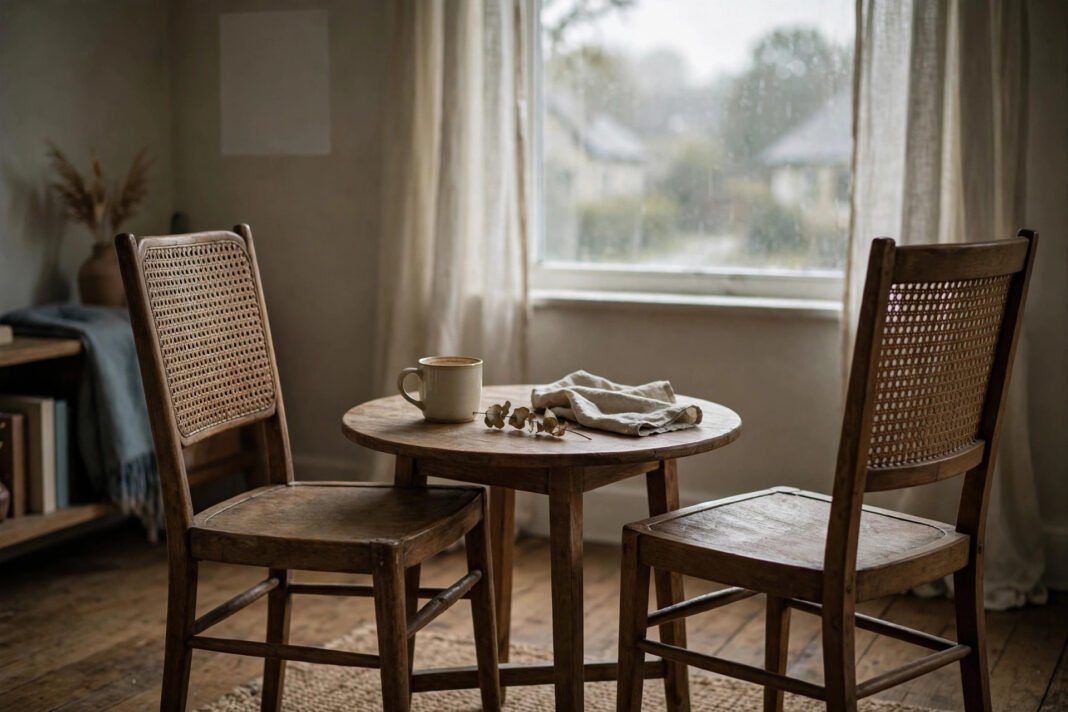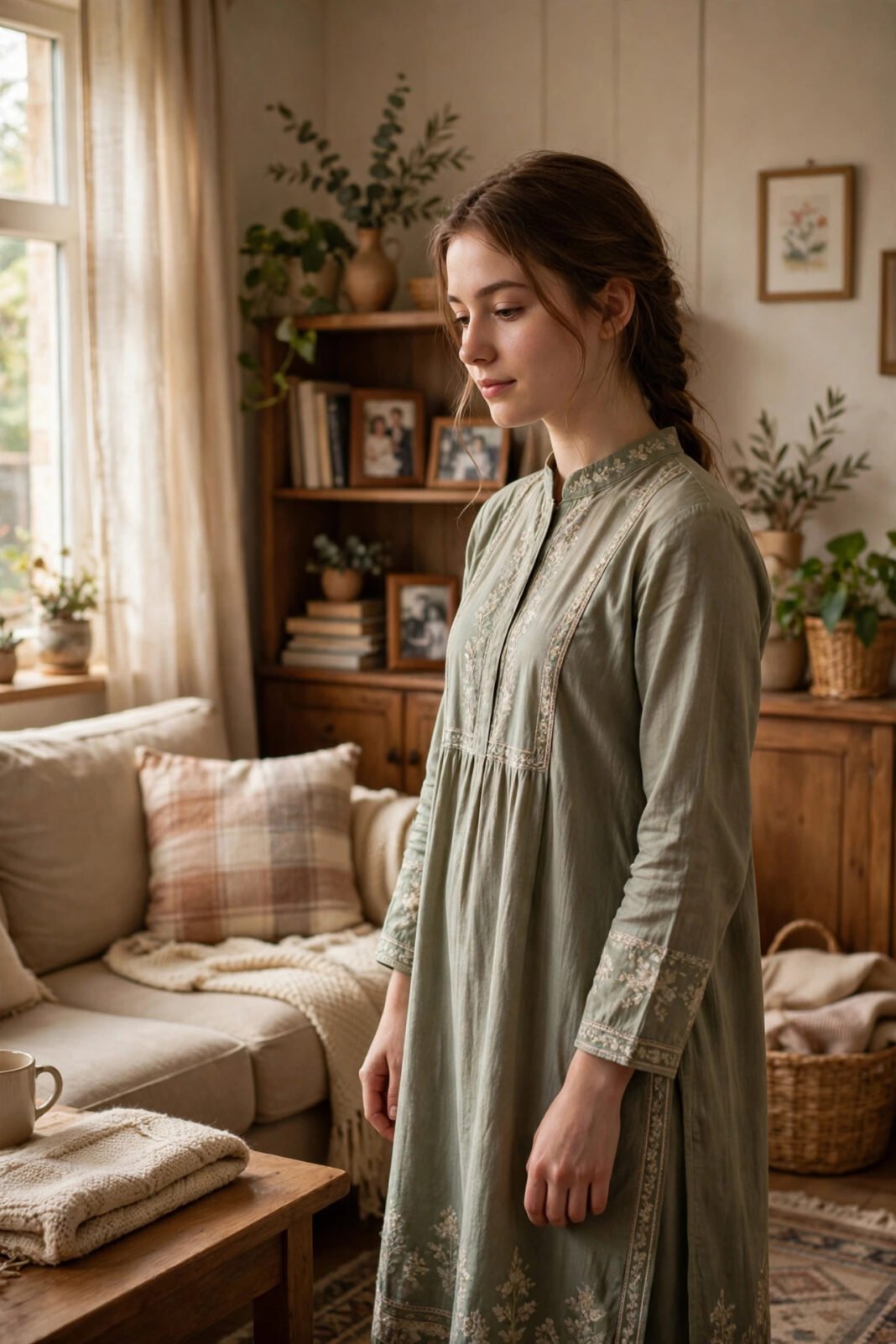
An unhappy marriage does not always end with a fight. It ends in silence, one quiet day at a time. The couple still lives under one roof. They still share meals, bills, and children. But the warmth is gone, and neither of them says so.
This is the reality of an unhappy marriage for many women around the world. They stay, not because they are happy, but because leaving feels harder than staying. This article looks at why people stay, what silence costs, and what can change.
What an Unhappy Marriage Really Looks Like
An unhappy marriage is not always loud. It is often quiet. The signs are small, and they build up over years. A husband and wife may stop talking about anything real. They talk about groceries, school fees, and guests, but not about how they feel.
In many homes, the couple sleeps in the same house but lives separate lives. One of them may stay late at work. The other may fill every hour with the children. They are not cruel to each other. They are simply far apart, and the distance grows with time.
Sometimes the signs are sharper. There may be constant criticism, or cold silence after every small disagreement. There may be no kindness left, only duty. And yet, from the outside, the marriage looks fine. That is what makes it so hard to name.
Why People Stay in an Unhappy Marriage
People stay for many reasons, and most of them are real. In many cultures, family and society carry great weight. A divorce can bring shame to the whole family, and many people fear what relatives, neighbours, and colleagues will say.
Money is another reason. A woman who has no income of her own may feel she has no choice. A man may feel he must hold the family together, whatever it costs him. And for both, the fear of starting over can feel bigger than the pain of staying.
Then there is hope. Many people stay because they believe things will get better. They remember the good days, and they wait for them to return. Sometimes they do. Often, they do not, and the waiting itself becomes a way of life.
Fear of Society in an Unhappy Marriage
In many cultures, marriage is not only a bond between two people. It is a bond between two families, and a matter of honour for both. A woman who leaves a marriage may be asked what she did wrong. A man who leaves may be called weak. And so both stay, not because they are happy, but because they fear the talk.
This fear is not small. It can affect a person’s job, their children’s future, and their place in the family. A divorced woman may find it hard to remarry. A divorced man may find his own family turning cold. These are real costs, and they deserve to be named honestly.
But fear is not the same as love, and staying out of fear is not the same as staying out of commitment. A society that shames people for leaving a painful marriage also shames them for speaking about it. And when no one speaks, nothing changes. The first step toward change is often one person who is brave enough to say, “I am not happy.”
Staying for the Children: Does It Help?
The most common reason people give is the children. Parents tell themselves that a broken home will damage their children, so they stay together for their sake. The love behind this choice is real, and it deserves respect.
But children notice more than adults think. They hear the silence at the dinner table. They feel the tension in the house, even when no one shouts. And they learn what marriage looks like from what they see at home. Teaching children what a healthy marriage looks like starts long before their own wedding day, as we wrote in Prepare Daughters for Life, Not Just Marriage.
Staying together can help children when the home is calm and respectful, even if the marriage is not warm. But when the home is full of anger or coldness, children carry that weight too. The question is not only whether parents stay together. It is also what kind of home they build while they stay.
What Silence Costs in an Unhappy Marriage
Silence has a price. When a person cannot speak honestly at home, the stress does not disappear. It moves into the body and the mind. Sleep suffers. Patience runs out. Small problems feel huge, because there is no safe place to talk about them.
Over time, people in an unhappy marriage may lose parts of themselves. They stop sharing their hopes. They stop asking for what they need. In time, they become quiet in their own home, and that quietness can follow them everywhere.
The cost falls on health too. Long stress can affect sleep, appetite, and mood. This is not a medical claim about any one person. It is simply what many people describe when they finally talk about years of silence.
When the Distance Grows
When two people stop talking, the distance between them grows. One of them may look for warmth somewhere else. A friendship may turn into something more. A secret conversation may start to feel like the only place where someone listens.
This is how many affairs begin, not with a plan, but with loneliness. If you want to understand this pattern, read our articles on why people have extramarital affairs and the signs of an extramarital affair.
The point is not to excuse betrayal. It is to see that distance, left alone for years, can push a marriage further apart. And once trust breaks, the road back is much longer.
What Can Change
An unhappy marriage is not always beyond repair. Change starts with one honest conversation. That does not mean a fight. It means telling your partner, calmly, what you need and what you feel. Many couples have never done this, even after years together.
Small steps can help. Set aside time to talk without phones or television. Ask how the other person is, and really listen to the answer. Say thank you for small things. These steps sound simple, and they are. But they are the steps that many couples stop taking first.
If talking alone does not work, a counsellor can help. Talking to a counsellor is not a sign of failure. It is a sign that both people want to try. Around the world, more couples are now open to this, and that is a hopeful change.
Another step is to talk to someone outside the marriage first. A trusted friend, a sibling, or a wise elder can listen without taking sides. Speaking your feelings out loud, even once, can make them clearer. And clarity is what turns a vague sadness into a problem you can actually work on.
When to Seek Help
Some situations need help from outside the home. If there is violence, threats, or constant fear, that is not a marriage problem to fix at home. It is a safety problem, and the person at risk needs support from family, friends, or a trusted organisation.
If sadness or stress feels too heavy to carry, talking to a doctor or a mental health professional can help. There is no shame in asking for help. The shame lies only in a society that tells people to suffer in silence.
And if a marriage cannot be repaired, that is also a truth worth facing. Leaving is a hard choice, and it is not the right choice for everyone. But staying in pain is not the only way to be loyal to a family.
Help can also come from community. In many cities, there are support groups and helplines for people in hard marriages. A local women’s organisation, a religious leader you trust, or a family doctor can point you toward them. You do not need to know all the answers before you ask. You only need to take the first step.
A Life Beyond Survival
No one should have to spend a whole life just surviving a marriage. A good marriage is not perfect. It has hard days, and it takes work from both sides. But it should also have kindness, respect, and room to speak.
If you are living in silence, you are not alone. Many people share this story, even if they never tell it. The first step is to name what you feel, even if only to yourself. The next step is to speak, to someone you trust.
Change does not always mean leaving, and it does not always mean staying. It means choosing, honestly, what is best for you and your children, and then taking one small step in that direction. That step may be a conversation. It may be a counsellor. It may be a friend. But it starts with you.
What would change in your life if you could speak honestly at home? Share your thoughts in the comments, or share this article with someone who needs to read it.