When does winter start? The short answer is Monday, 21 December 2026, when the winter solstice marks the first day of astronomical winter. That is the shortest day of the year in the Northern Hemisphere. It is the moment the long, dark evenings start to turn around. In fact, the exact moment is 20:50 UTC, which is 1:50 a.m. on Tuesday, 22 December in Pakistan.
When Does Winter Start? Two Different Answers
There are two ways to answer the question of when does winter start. Both are correct in their own way. Astronomers use the solstice, so winter starts on 21 December 2026. Meteorologists use the calendar, so winter starts on 1 December. The two dates differ because they measure different things: one tracks the Sun, and the other tracks the weather.
Weather experts prefer 1 December because it keeps the seasons neat. In fact, each season lasts three full months, which makes it easy to compare weather records from year to year. For example, meteorological winter runs from 1 December to the end of February. As a result, weather reports and climate data use these fixed dates. However, most people mean the solstice when they ask when winter starts. It is tied to the shortest day.
What Is a Solstice? The Sun Stands Still
The word solstice comes from the Latin solstitium, which means the Sun stands still. On the solstice, the Sun reaches its lowest point in the sky. It seems to pause before it starts to climb again. In 2026, that moment comes on Monday, 21 December at 20:50 UTC. At that time, the Sun stands directly over the Tropic of Capricorn.
The solstice happens because the Earth tilts on its axis. In fact, in December the Northern Hemisphere leans away from the Sun. Its rays hit the Earth at a low angle. As a result, days are short and nights are long. Meanwhile, the Southern Hemisphere leans toward the Sun, so it enjoys its longest day and the first day of summer.
The Shortest Day in Numbers
On 21 December, daylight lasts about 9 hours and 15 minutes in New York. In London, it lasts about 7 hours and 50 minutes. The further north you go, the shorter the day gets. For example, places near the Arctic Circle see no sunrise at all. The Sun stays below the horizon for a full 24 hours. In fact, this polar night is the extreme end of the same tilt that gives us our short winter days.
Meanwhile, the shortest day is not the same everywhere, since daylight depends on latitude. Cities near the equator lose almost nothing, while northern cities lose hours of light. In Lahore, near 31 degrees north, the shortest day still brings about 10 hours of daylight. However, every place north of the equator gets its shortest day of the year on 21 December 2026.
Why Days Get Longer After the Solstice
The good news is that the solstice is a turning point. After 21 December, the Sun starts to move north in the sky, and each day gains a little more light. The change is slow at first. Each day gains only a minute or two, but the gain grows as the weeks pass. In addition, sunsets start to come later even before the solstice. Sunrises, however, keep getting later for a short while after it.
Days keep growing until the June solstice, when the Northern Hemisphere gets its longest day of the year. As a result, the winter solstice is really a festival of light returning, not just the darkest day. Moreover, that is why so many cultures have marked it with fire and feasts for thousands of years.
By late January, the extra light is easy to notice, and evenings feel longer. In fact, the Sun climbs a little higher each day, and the cold slowly loses its grip. The March equinox then brings equal day and night, and spring starts to show. As a result, the solstice is not the middle of winter. It is the start of the turn toward spring.
When Does Winter Start in Pakistan?
In Pakistan, the solstice falls at 1:50 a.m. on Tuesday, 22 December, since Pakistan is five hours ahead of UTC. Winter in Pakistan feels very different from winter in London or New York. The south stays mild, while the north turns cold. Cities like Lahore face thick fog and smog through December and January.
For most people in Pakistan, winter starts to bite in late December. Morning fog slows traffic, and schools watch the weather closely. In fact, fog and smog can shut schools for a day or two. Cold mornings make the trip to school hard for children. Meanwhile, the hills of the north see snow, and tourists head there to enjoy the white season.
Solstice Traditions Around the World
In fact, people have marked the solstice for thousands of years. In northern Europe, the Yule festival celebrated the return of the Sun with evergreen branches, feasts and the Yule log. Many of these customs later became part of Christmas. In China, the Dongzhi festival brings families together to eat tangyuan. These sweet rice balls stand for unity and the return of longer days.
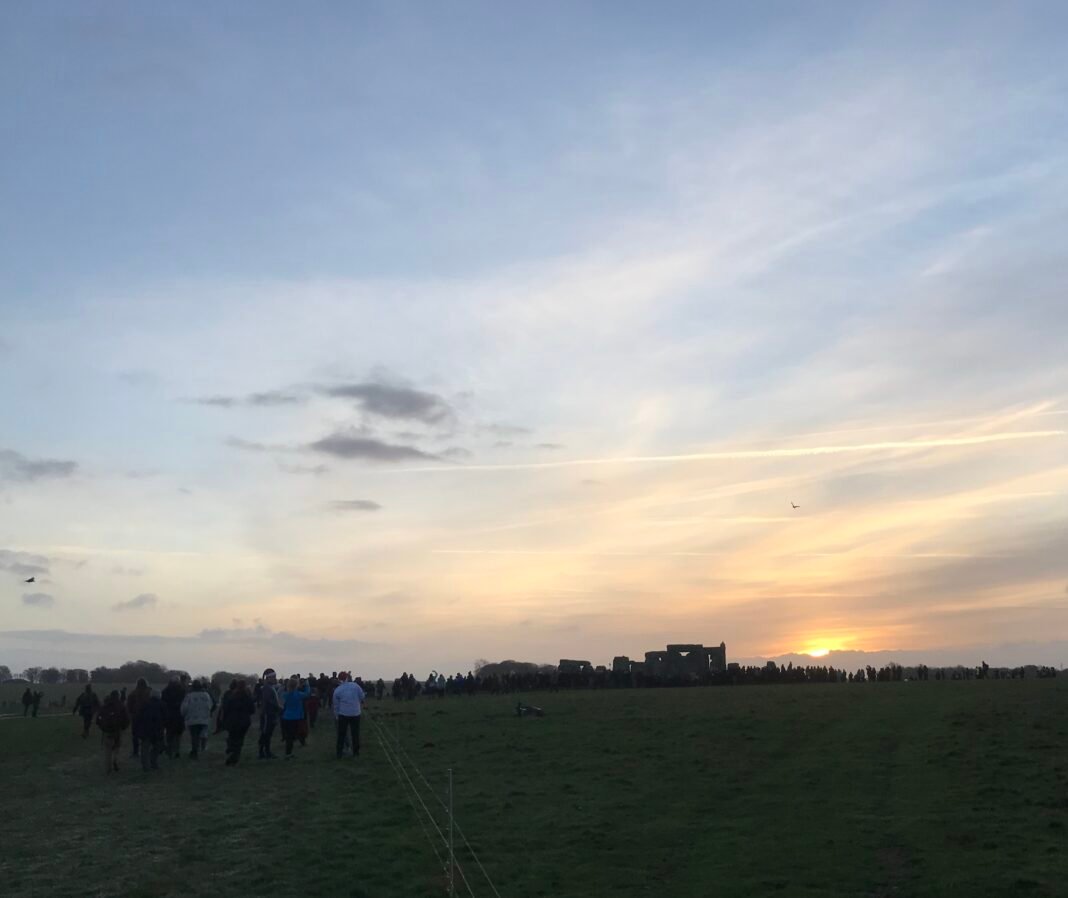
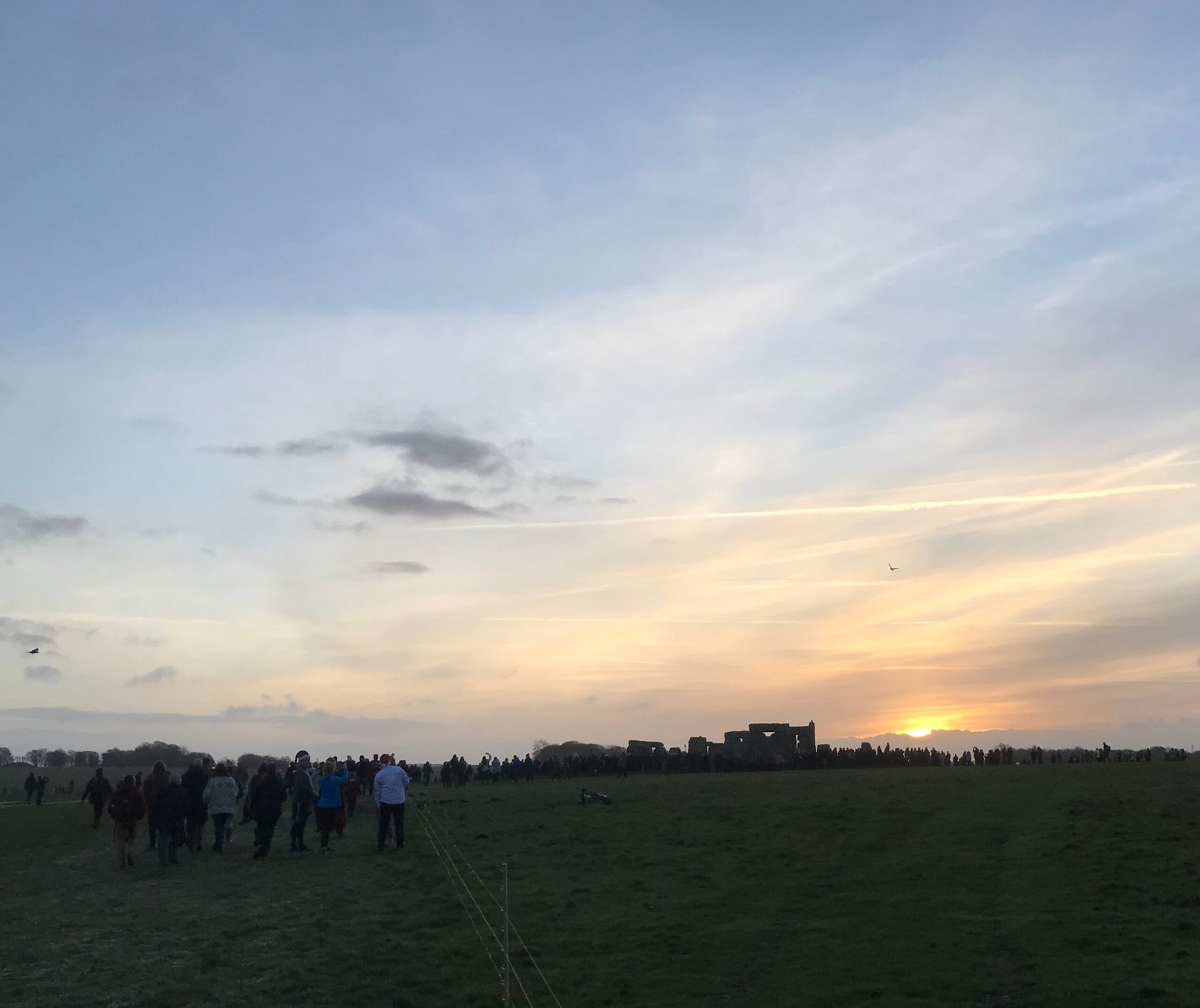
In Iran and nearby lands, Shab-e Yalda marks the longest night with poetry, pomegranates and watermelon. It celebrates light winning over darkness. Meanwhile, at Stonehenge in England, crowds still gather at dawn to watch the midwinter Sun rise over the Heel Stone. As a result, the solstice is far more than a date on a calendar: it is a shared human moment.
Today, many people mark the solstice in simple ways. Some light a candle at sunset, while others take a walk to watch the low Sun. In fact, the solstice has also become a popular time for stargazing. The long night gives hours of dark sky. As a result, astronomy clubs often hold public viewings on the shortest night of the year.
When Does Winter Start to Bite? Staying Healthy in the Cold
Cold months bring their own health risks, so a little care goes a long way. Flu spreads fast in winter, since people spend more time indoors and dry air helps germs travel. For example, a flu shot, clean hands and fresh air in rooms can cut the risk. In addition, short days mean less sunlight, so many people run low on vitamin D in winter.
In addition, dry skin is another common winter problem. Cold air and hot showers strip moisture from the skin. So use a good moisturiser, and keep showers short and warm, not hot. Meanwhile, dress in layers and keep your head, hands and feet warm, since the body loses heat fast through them.
Joint pain often feels worse in the cold. The reason is simple: cold muscles stiffen, and low pressure can make joints ache. Gentle movement helps. For example, stretch in the morning and keep active through the day. Finally, dark evenings can lower your mood, and some people feel tired and sad through the winter months.
Staying Warm and Sleeping Well in Winter
Staying warm at home matters too. Keep rooms warm but aired, and wear socks indoors on cold floors. In fact, a warm drink and a hot meal can lift your body heat fast. As a result, small habits like these make the cold months far easier to enjoy.
Long nights can also help you sleep better, if you use them well. Keep a fixed bedtime, and dim the lights an hour before bed. In fact, dark evenings tell the body it is time to rest, so a steady routine can beat winter tiredness. As a result, many people find they sleep best in the cold months.
The winter solstice is the darkest day of the year. But it is also the day the light starts to come back. So mark 21 December on your calendar. Step outside to watch the low winter Sun. And tell us: how do you mark the start of winter where you live?
Photo credit: Stonehenge at winter solstice sunrise, December 2018, by Moonraker, via Wikimedia Commons, CC BY-SA 3.0.