Senate Panel Directs PEMRA to Make Formula Milk Ads Carry Health Warnings
The Senate Standing Committee on National Health Services has directed the Pakistan Electronic Media Regulatory Authority to enforce mandatory health warnings in infant formula advertisements, according to reporting by ProPakistani. The committee acted on concerns that aggressive promotion of breast milk substitutes is undermining efforts to combat child malnutrition.
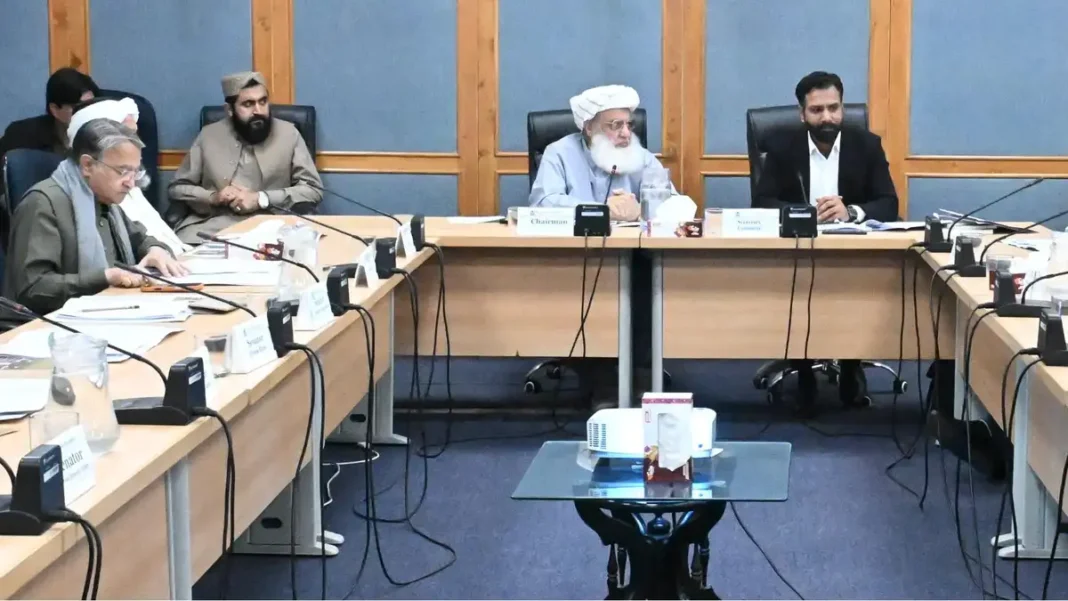
The directive was issued at a committee meeting on Tuesday. It requires that advertisements for infant formula clearly state that there is no substitute for mother’s milk, a line intended to protect breastfeeding in a country where child nutrition indicators remain poor.
Committee chairman Senator Amir Waliuddin Chishti said the committee expects PEMRA to implement the instructions. He added that the regulator could decide on the specific measures, whether that means banning such advertisements, imposing fines or taking other regulatory steps.
What the Committee Decided
The committee’s concern centred on the marketing of breast milk substitutes and its effect on infant feeding choices. Members argued that advertising which normalises formula milk weakens the national push to improve child nutrition.
PEMRA Chairperson Ambreen Jan attended the meeting and presented the authority’s public-service messages promoting breastfeeding and infant nutrition. She noted that banning formula milk advertisements outright was one option available, but committee members maintained that the regulatory decision rested with PEMRA.
The committee has now made it clear that it expects concrete action, not just awareness campaigns. The mandatory warning line, that no substitute exists for mother’s milk, will form the centrepiece of the new requirement.
Cigarette-Style Visual Disclaimers Proposed
Senator Shahzaib Durrani pushed for stronger action. He pointed out that previous committee instructions had already called for discouraging formula milk promotion, particularly in cases where mothers who could breastfeed chose alternatives.
Durrani proposed mandatory visual disclaimers modelled on the warnings printed on cigarette advertisements. The idea is that parents viewing formula milk advertising should encounter a clear, unavoidable health message rather than fine print.
Jan said PEMRA could consider a full ban on formula milk advertisements as an alternative route. Members did not object to that option, but the committee’s formal direction was that PEMRA must implement the instructions in whichever regulatory form it deems workable.
Why This Matters: Pakistan’s Malnutrition Picture
The committee’s concern is grounded in stark national data. UNICEF estimates that nearly 10 million Pakistani children suffer from stunting, while only 38 per cent of infants are exclusively breastfed during the first six months of life.
Health experts have long identified aggressive formula marketing as one factor behind low breastfeeding rates. When substitutes are promoted as equivalent or more convenient, families with the option to breastfeed may switch away from it, particularly in urban areas with heavy advertising exposure.
Pakistan already runs maternal and child health programmes aimed at these gaps. Punjab’s Aghosh programme offers Rs. 23,000 in aid for mothers, linking financial support to maternal and infant health outcomes. Families can also explore Benazir Taleemi Wazaif enrollment for school-going children, which ties stipends to children’s continued attendance.
The country’s child health challenges extend beyond nutrition. Pakistan reported its sixth polio case of 2026 in Khyber, and the national polio campaign’s second phase began earlier this year, both reminders that basic health delivery remains a work in progress.
What Happens Next
PEMRA has not yet announced how it will implement the committee’s directive. The options on the table range from mandatory warning text and visual disclaimers to a complete advertising ban on infant formula.
The committee’s instruction leaves the choice of instrument to the regulator, but the expectation is explicit: advertisements must carry the warning that there is no substitute for mother’s milk, and the measure must be enforced rather than left voluntary.
Further detail is expected from PEMRA in the coming weeks. Health advocates say enforcement will be the real test, given that similar committee instructions in the past did not fully translate into restrictions.
Frequently Asked Questions
What did the Senate committee ask PEMRA to do?
It directed PEMRA to enforce mandatory health warnings in infant formula advertisements, requiring ads to state clearly that there is no substitute for mother’s milk. The directive was issued on October 20.
Could formula milk ads be banned entirely?
Possibly. PEMRA Chairperson Ambreen Jan suggested a ban was one option, and Senator Shahzaib Durrani proposed cigarette-style visual disclaimers. The committee left the specific regulatory measure to PEMRA.
How many children in Pakistan suffer from stunting?
UNICEF estimates that nearly 10 million Pakistani children suffer from stunting, and only 38 per cent of infants are exclusively breastfed in the first six months.
Why are formula milk ads a health concern?
Committee members argued that aggressive promotion of breast milk substitutes discourages breastfeeding, including among mothers who could breastfeed, which undermines efforts to reduce child malnutrition.