Fuel Dealers Urge Consumers to Avoid Panic Buying Amid Supply Concerns
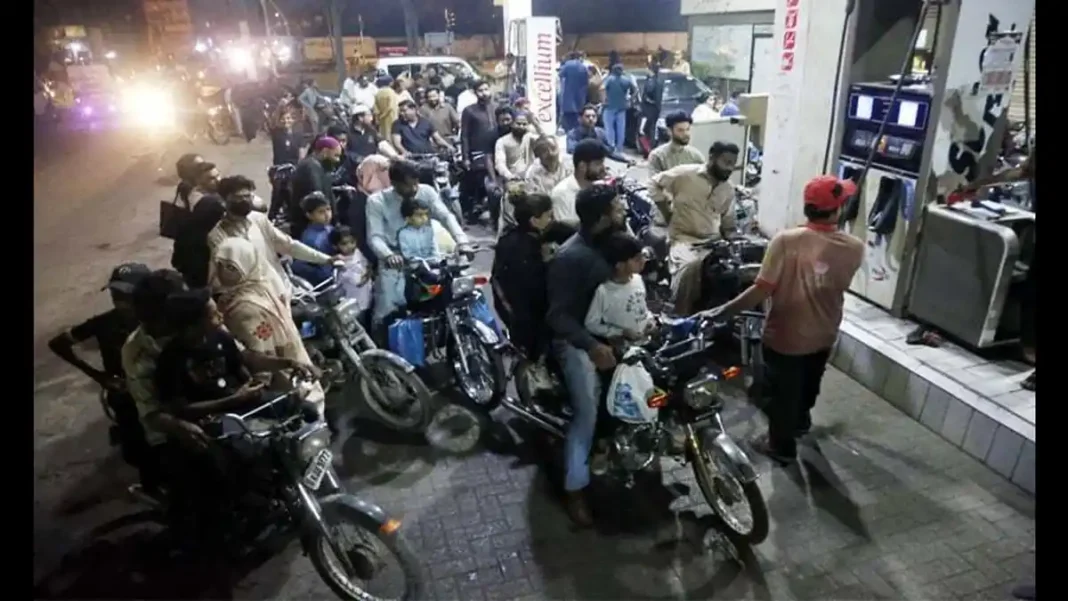
Fuel panic buying could create artificial shortages, Pakistan’s petroleum dealers warned on Friday. They urged consumers to avoid excessive purchases that would distort the market.
The appeal came even as talks between the Jamaat-i-Islami (JI) and the government to reduce the fuel levy remained inconclusive. The two sides have been negotiating over the controversial tax on petroleum products.
Supply under control, says PPDA
Pakistan Petroleum Dealers Association (PPDA) Chairman Malik Khuda Baksh spoke to reporters in Islamabad. He said the delicate balance between supply and demand had been maintained efficiently by all stakeholders. These included the government, the industry and consumers.
At the same time, he acknowledged that the recent closure of the Iran border had put the liquefied petroleum gas (LPG) market under stress. The border closure has disrupted supply routes that many traders relied upon.
Fuel panic buying risks
“As far as petrol supply is concerned, there is a huge responsibility on consumers too, especially petrol consumers,” Mr Baksh said. “We have seen in the past that when cars and motorcycles line up at petrol pumps, it creates artificial shortages in some areas.”
He said reports were circulating that the country could run dry in the coming days. He recalled a similar situation during the US invasion of Afghanistan in October 2001.
“There were such reports and a brief panic in those days too, but petrol and diesel remained available in the country,” he said. “Similarly, the situation remains under control now as well.”
Mr Baksh said refineries were operational across the country. Both crude oil and petroleum products were being imported from Gulf countries, including Saudi Arabia and Oman.
“Price remains an issue, but that is a different matter,” he added, separating the question of availability from the question of affordability.
Demand figures for November
According to oil industry estimates, diesel demand during November 2026 is likely to be around 750,000 tonnes. The figure is driven by seasonal agricultural requirements, as farmers need fuel for harvesters and tube wells.
Industry sources said local refineries supplied approximately 70 per cent of the country’s diesel requirements. However, the bulk of the crude oil processed by them was imported, meaning Pakistan remains dependent on foreign supplies.
Petrol demand for November is estimated at around 630,000 tonnes. Local production accounts for roughly 30 per cent of national consumption, with the rest imported as finished product.
Petroleum industry sources added that high prices and the off-peak travel season were likely to keep consumption subdued next month. Fewer people travel during winter, which naturally reduces fuel demand.
JI-government talks inconclusive
Meanwhile, the JI called on Prime Minister Shehbaz Sharif to announce additional relief for the public. The party wants the proposed meeting between the prime minister and JI chief Hafiz Naeem to be held “this week”.
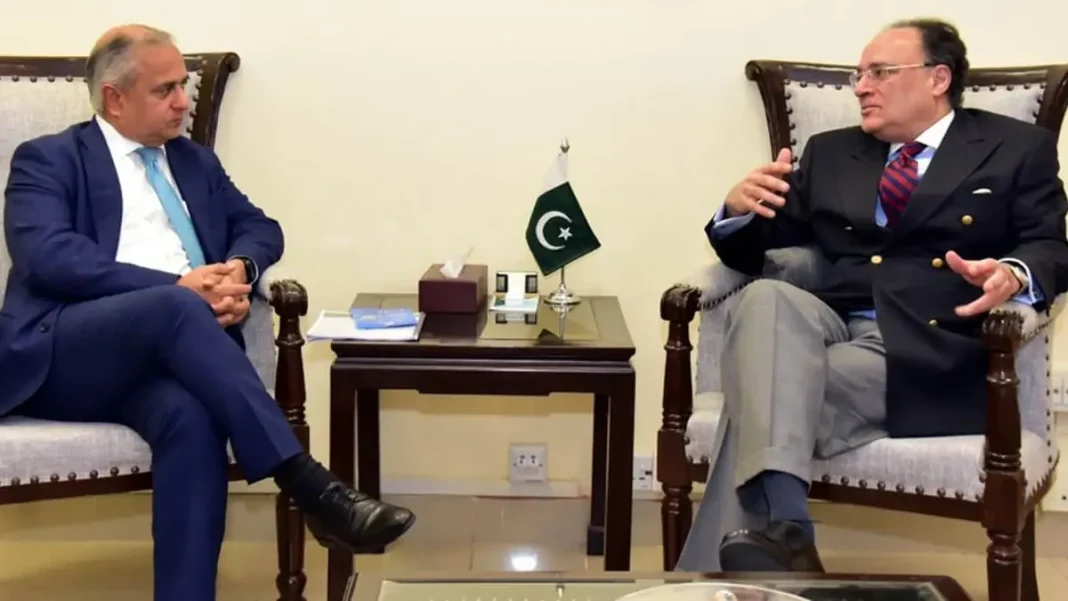
Speaking to reporters after holding talks with a government delegation led by Planning Minister Ahsan Iqbal, JI Deputy Emir Liaqat Baloch said the party would continue to pursue negotiations. However, he made it clear that the JI would not abandon the path of protest.
As talks continue, a technical committee has been constituted to examine the outstanding issues. The committee comprises State Minister for Finance Bilal Azhar Kayani, JI Islamabad Emir Nasrullah Randhawa and Deputy Secretary Syed Farasat Shah.
The committee is expected to meet within two to three days. Its findings will likely shape the next round of negotiations between the government and the JI.
Why this matters
The dealers’ warning highlights a recurring pattern in Pakistan’s fuel market. Rumours of shortages often trigger panic buying, which then creates the very shortages people feared. By speaking out early, the PPDA hopes to prevent such a cycle.
The LPG stress from the Iran border closure is a separate concern. Many households, especially in Balochistan and Khyber Pakhtunkhwa, depend on LPG for cooking. If the border remains closed, prices could rise further.
For readers tracking fuel issues, see our coverage of Senate concerns over December petrol availability, the October 23 petrol and diesel price revision, and the JI’s threatened march over petrol taxes. The rising LPG prices are also putting pressure on household budgets.