E3-R4 Meeting in Istanbul Warns Against New Attack on Iran
Foreign ministers from eight countries warned on Friday at the first-ever E3 R4 Iran meeting in Istanbul that a renewed attack on Iran would expand the war across the Middle East, urging diplomacy and restraint after reports that the United States and Israel have drawn up plans for fresh strikes.
The warning came at the first-ever meeting of the E3 and R4 diplomatic groups in Istanbul, which brought together the foreign ministers of Pakistan, Turkiye, Saudi Arabia, Egypt, Britain, France, Germany and Italy.
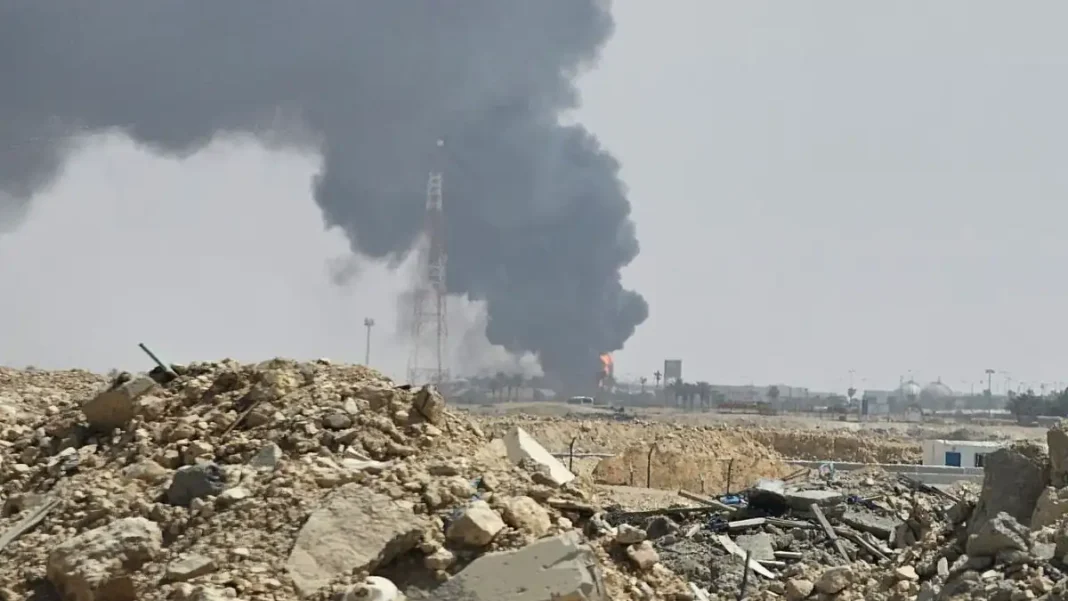
The E3 R4 Iran meeting was held against the backdrop of a New York Times report that the US and Israeli militaries have prepared specific plans for renewed strikes on Iran after next month’s American midterm elections, with targets said to include Iranian energy infrastructure, nuclear facilities and its missile and drone arsenal.
Fidan: military intervention is not a solution
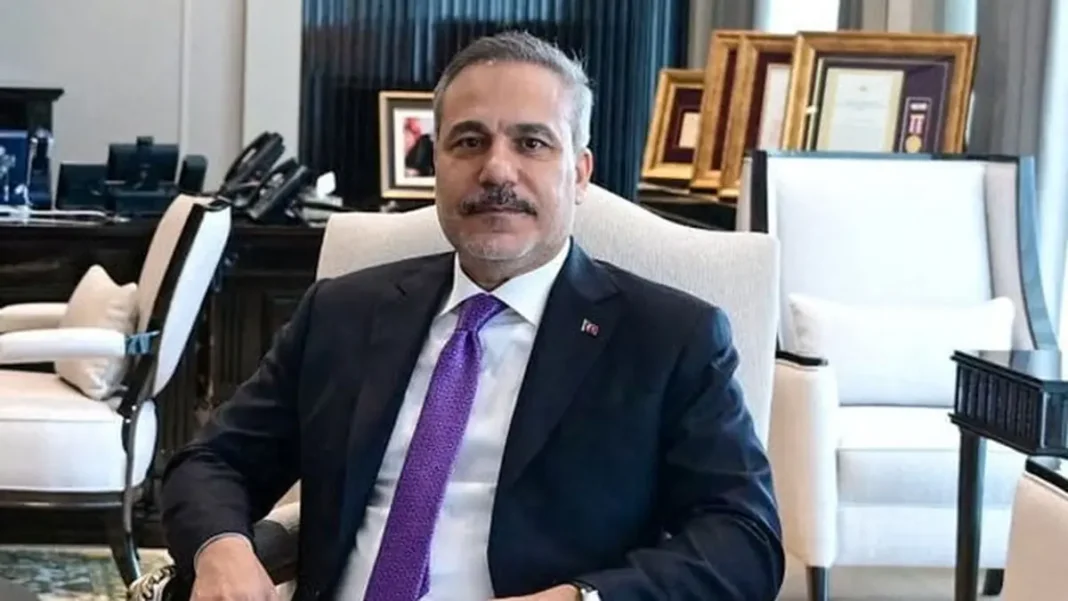
Turkish Foreign Minister Hakan Fidan told reporters after the talks that no country at the table supported another military intervention in Iran. “We are all in agreement that a new attack on Iran would expand the war in the region,” he said at the press conference.
“A military intervention on Iran is not in any way a solution. Nobody approves this at the moment,” Fidan added. He said the forum had discussed the war in Ukraine, the Strait of Hormuz, attacks on Saudi Arabia and what he called Israel’s destabilising role in the region.
Speaking on the Russia-Ukraine war, Fidan said the fighting must stop, adding that if it did not, the parties should agree to exemptions for energy and grain issues.
French Foreign Minister Jean-Noel Barrot warned that renewed escalation between Iran and the United States would “only have losers” and would have “very serious consequences for hydrocarbon prices”. He said the first task of the eight countries was to call on both sides to exercise the utmost restraint, because the region could not afford another escalation.
Italian Foreign Minister Antonio Tajani said the aim was to work for de-escalation to guarantee freedom of navigation, adding that the problem could not be solved from a purely military standpoint.
The comments were also a response to remarks by the US ambassador to Turkiye, Tom Barrack, who told a podcast this week that Washington could “absolutely” strike Iran this weekend, even as President Donald Trump said earlier this month that the US would not attack before the midterms. On Friday, Trump said the US could end the war quickly but questioned whether it should seek a swift conclusion or let the conflict wind down gradually.
R4 backs Islamabad MoU and condemns Houthi attacks
The four R4 ministers, Pakistan’s Ishaq Dar, Turkiye’s Fidan, Saudi Arabia’s Prince Faisal bin Farhan and Egypt’s Badr Abdelatty, also held a separate meeting. Their joint statement stressed the “urgent need” to address the US-Iran conflict only through dialogue and diplomacy, and to prevent attacks on civilians and civilian infrastructure, including vessels at sea.
The ministers expressed support for the Islamabad Memorandum of Understanding and welcomed continued diplomatic efforts to prevent further escalation. They underscored the “vital importance” of freedom of navigation and called for the swift and full resumption of safe passage through the Strait of Hormuz.
According to the Foreign Office, the group condemned the Houthi attacks targeting Saudi Arabia and called on the militia to immediately cease all military actions and return to the political process. The four ministers expressed full solidarity with Saudi Arabia and reaffirmed support for its sovereignty and territorial integrity.
Dar briefed his counterparts on the diplomatic and mediatory role Pakistan continues to play in de-escalating tensions, preventing a resumption of hostilities and promoting peace.
What are the E3 and R4 groups?
The E3 mechanism, comprising Germany, the UK and France, was created in 2003 for diplomatic cooperation on Iran’s nuclear programme. Friday’s meeting was its first collective session with the R4, the regional group set up by Turkiye, Egypt, Pakistan and Saudi Arabia to support lasting stability in the Middle East. Italy also joined the Istanbul talks.
The combined format reflects how far the Gulf crisis has spread beyond the region: European powers now fear that a new round of fighting would disrupt energy supplies, push oil prices higher and threaten shipping through the Strait of Hormuz, a chokepoint for global oil flows.