Dengue cases in Rawalpindi and Islamabad have climbed to 109, with new patients reported every day. Rawalpindi accounts for 67 cases and Islamabad 42, health officials said.
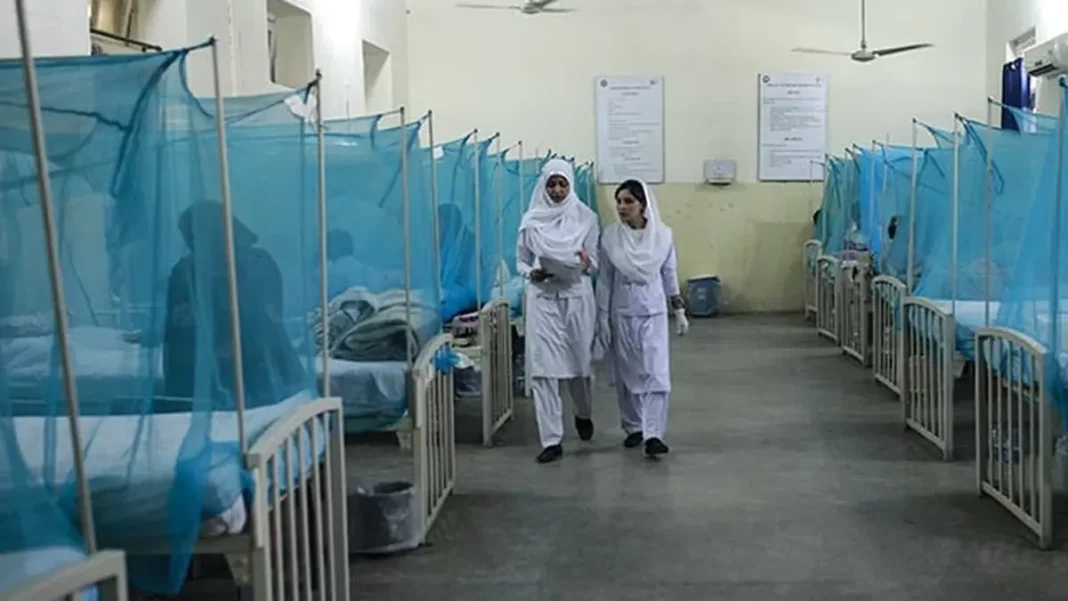
Patients have been admitted to dedicated dengue wards in hospitals across both cities. Private hospitals and clinics in the twin cities have also reported more than 100 dengue patients.
Dengue cases Rawalpindi Islamabad: the enforcement drive
The Rawalpindi Health Department has mounted a large surveillance campaign this year. Teams inspected 235,982 locations across the city and found dengue larvae at a staggering number of them.
Larvae were recovered from 208,768 houses. Another 27,160 hotspots, including open areas, tyre shops and junkyards, also tested positive.
About 1,400 dengue teams are working in the city. Where larvae were found, the department registered 2,800 cases, sealed 686 properties and issued 2,331 challans. The fines totalled Rs3,156,000. Eleven dengue workers were suspended for negligence during the campaign.
Islamabad has taken a different path. Its health department started the anti-dengue campaign earlier and put in greater effort, officials said. The result is a record low: reported cases in the capital this year are the lowest on record.
The capital’s teams carried out more than 382,000 indoor and outdoor surveillance visits. They conducted over 1.29 million anti-larval operations. Surveillance identified 7,669 locations where mosquito breeding posed a risk, and the larvae there were destroyed.
Why the numbers matter
The twin cities’ tally of 109 looks small next to the wider provincial picture. Khyber Pakhtunkhwa has battled a far larger outbreak this season, as reported in Dengue surge in K-P crosses 1,510 cases in October. An earlier surge across Islamabad and K-P showed how quickly the mosquito-borne virus moves between regions.
The contrast between the two cities is instructive. Islamabad’s early campaign kept numbers at a record low. Rawalpindi, where larvae were found in hundreds of thousands of homes, is still catching up. Health officials in both cities are now hoping heavy rain will slow the spread.
Dengue is not the only health watch this season. Sindh is tracking a separate viral threat, with mpox cases nearing 100. The province has also expanded free medicines to 12 districts, a reminder of the pressure on public health systems.
For residents, the message is familiar but urgent: clear stagnant water, cover storage tanks and report fever early. The 1,400 teams in Rawalpindi can inspect and fine, but the larvae breed in homes, not in government offices.
Frequently asked questions
How many dengue cases are there in the twin cities?
The total has reached 109, with 67 patients in Rawalpindi and 42 in Islamabad. Private hospitals have reported more than 100 additional patients.
What action has Rawalpindi taken?
Teams inspected 235,982 locations, found larvae at 208,768 houses and 27,160 hotspots, registered 2,800 cases, sealed 686 properties and imposed Rs3.16 million in fines.
Why is Islamabad’s count lower?
Islamabad started its anti-dengue campaign earlier and carried out over 382,000 surveillance visits and 1.29 million anti-larval operations, keeping this year’s count at a record low.
What should residents do?
Remove stagnant water from homes and surroundings, cover water storage, use mosquito nets and seek early treatment for fever.