517 Afghan Nationals Arrested in a Week, IOM-UNHCR Report Says
Pakistani authorities arrested 517 Afghan nationals during a single week in October, according to a joint report by the International Organization for Migration (IOM) and the UN refugee agency UNHCR. Most of those detained were undocumented or held Afghan Citizen Cards.
The arrests took place between October 11 and 17 in three districts: Chagai in Balochistan, Peshawar in Khyber Pakhtunkhwa, and Karachi in Sindh. The report says 97 per cent of all arrests and detentions in that period involved ACC holders and undocumented Afghans, while Proof of Registration (PoR) card holders accounted for just 3 per cent.
Balochistan recorded the highest share of detentions at 56 per cent, followed by Punjab at 34 per cent and Khyber Pakhtunkhwa at 10 per cent.
Afghan nationals arrested as returns slow down
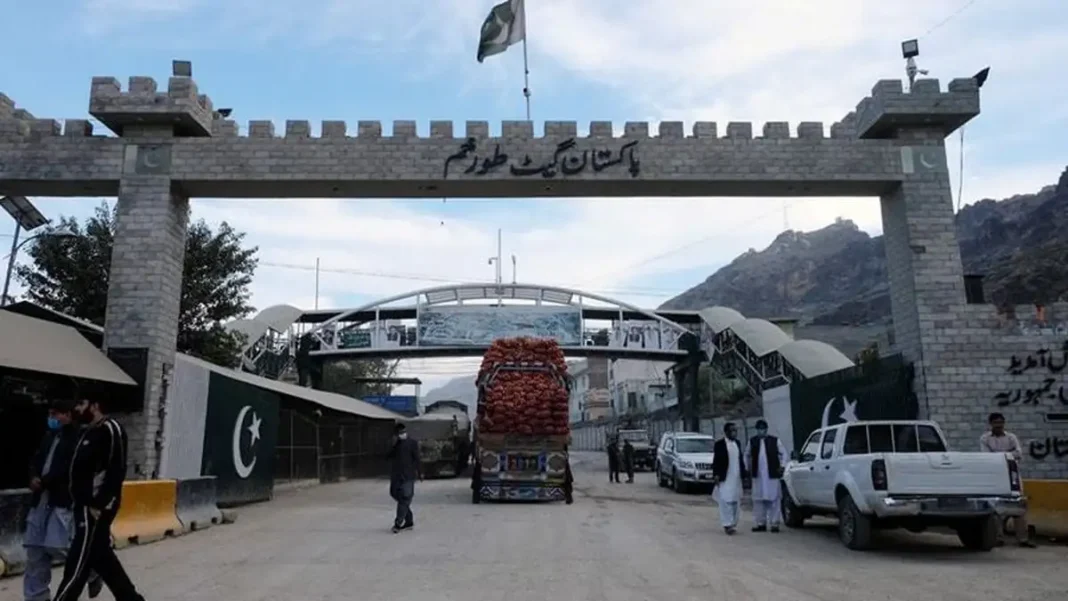
The same report shows the pace of returns to Afghanistan eased during the week. Between October 11 and 17, an estimated 3,883 Afghans returned through the Torkham, Chaman and Bahramcha border crossings.
That figure marks a 10 per cent drop in returns and a 48 per cent fall in deportations compared with the previous week (October 4 to 10), when 4,295 returns were recorded, including 961 deportations. In the latest week, deportations numbered 499.
Among those who returned, 83 per cent were undocumented, 9 per cent were ACC holders and 8 per cent held PoR cards. Most PoR returns were processed by UNHCR through its Voluntary Repatriation Centres. Of those deported, 99 per cent were undocumented.
The report notes that fear of arrest remained the main reason people returned: 95 per cent of undocumented individuals and ACC holders cited it, as did 68 per cent of PoR holders.
2.74 million sent back since September 2023
Cumulatively, about 2,744,068 Afghans have been sent back to Afghanistan from Pakistan between September 15, 2023 and October 17, 2026, the report says. Since April 1, 2025, some 1,890,035 Afghans returned, of whom 237,387 (around 13 per cent) were deported.
The IOM notes that no data was collected on the arrest and detention of ACC holders or undocumented Afghan nationals before 2023. It began compiling the figures in January 2023.
Why it matters
The weekly figures underline how enforcement remains the central driver of the repatriation push. With fear of arrest cited by the overwhelming majority of returnees, the trend suggests detentions and voluntary departures move together: when deportations fell by nearly half in the latest week, overall returns also dipped.
The concentration of arrests in Balochistan’s Chagai district also points to the border districts as the main enforcement zone. For readers following the parallel security debate in Khyber Pakhtunkhwa, where the governor has ruled out talks with anti-state elements and pledged zero tolerance for terrorism, the arrest data adds a statistical layer to the province’s wider security posture.
The repatriation flow itself depends on the crossings staying open and calm. Pakistani forces fired warning shots at Torkham on Friday evening after Afghan forces resumed work on a disputed checkpost — a reminder of how quickly the return route can be disrupted.
What happens next
The IOM-UNHCR reporting cycle continues weekly, so the next update will show whether the slowdown in returns and deportations was a one-week dip or the start of a trend. Any policy shift, whether tighter enforcement or a new repatriation phase, would show up first in these numbers.
Frequently asked questions
How many Afghan nationals were arrested in the reported week?
517 Afghans were arrested or detained between October 11 and 17, 2026, in Chagai, Peshawar and Karachi, according to the IOM-UNHCR report.
What share of those arrested were undocumented?
ACC holders and undocumented Afghans made up 97 per cent of arrests and detentions; PoR card holders were 3 per cent.
How many Afghans have returned to Afghanistan since September 2023?
About 2,744,068 Afghans have been sent back from Pakistan between September 15, 2023 and October 17, 2026.
Why are Afghans returning to Afghanistan?
Fear of arrest was the main reason cited: 95 per cent among undocumented individuals and ACC holders, and 68 per cent among PoR holders.