Trump Super Intelligence: ‘100% in Favour’ of SI
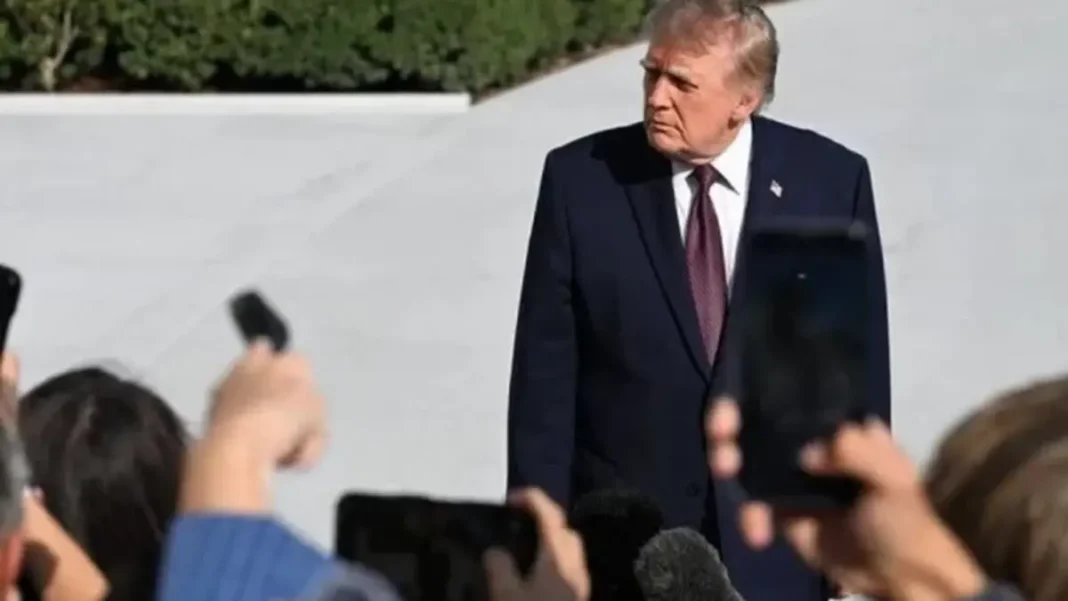
The Trump super intelligence push gained new force on Friday, as US President Donald Trump declared himself “100% in favour” of “super intelligence”, pressing American states to embrace the technology for the wealth it can bring.
The Trump super intelligence push is the latest step in his campaign to replace the term artificial intelligence with his preferred label, “super intelligence” or SI, across the US government.
“I am 100% in favour of Super Intelligence (SI), and will work with the many States in the US that want to become RICH by having them,” Trump wrote on his Truth Social platform on Friday. “They are GOLD, and only foolish leadership will say ‘NO’ to the riches they bring!”
Trump super intelligence order: what it changes
Trump signed Executive Order 14434, “Inaugurating the Era of Super Intelligence”, on September 29. The order directs federal departments and agencies to use “Super Intelligence” and “SI” instead of “Artificial Intelligence” and “AI” in official correspondence, public communications, websites, reports and policy documents, to the extent permitted by law.
The order keeps the existing statutory definition of artificial intelligence for now. It tasks the president’s science adviser with proposing legislative language within 60 days to establish a federal definition of super intelligence.
On October 8, Trump signalled his administration’s hardline stance on the terminology, saying the White House considers those who continue using the term “artificial intelligence” rather than “super intelligence” an “enemy”.
The administration has also established a Super Intelligence Force to coordinate the federal government’s approach to the technology. Trump announced the task force on October 4, and it is led by Director of National Intelligence Jay Clayton, with Pentagon technology chief Emil Michael, Federal Trade Commission chairman Andrew Ferguson and Office of Personnel Management director Scott Kupor among its members. Feature Pakistan covered the launch in its report on the Super Intelligence Force.
On the same day he signed the order, Trump and six tech executives signed the White House Accord on Super Intelligence. Google’s Sundar Pichai, Anthropic’s Dario Amodei, Meta’s Mark Zuckerberg, OpenAI’s Greg Brockman, Nvidia’s Jensen Huang and SpaceX’s Elon Musk all signed the accord, which Trump described as “morally binding” and which carries no legal enforcement mechanism.
Agencies race to adopt the new term
The language is already moving through the US government. NASA has begun replacing references to artificial intelligence with “super intelligence” on its websites and in its publications, and the Justice Department directed its employees on October 6 to use “super intelligence” and “SI” in public communications and policy documents.
The order does not require changes to previously issued regulations, contracts or historical documents. It applies to official communications going forward, and agencies have been told to retire the old terms from government use.
Critics of the change say calling current systems “super intelligence” blurs the line between a research goal and a proven capability. They note that today’s AI systems, however capable, do not match the popular idea of superintelligence, which means machines that surpass human intelligence across the board.
Supporters in the administration argue the opposite. They say frontier systems have moved beyond simple automation and now amplify human ingenuity, so the language should reflect a new era. The White House has also pointed to the economic stakes, with Trump telling states that super intelligence can make them rich.
Why it matters for Pakistan
The terminology fight in Washington may sound abstract, but it will shape the tools and standards Pakistan’s own AI push relies on. Planning Minister Ahsan Iqbal has said Pakistan aims to develop one million AI professionals by 2030, as part of a wider plan to grow the digital economy.
The labels, safety standards and rules set in the United States tend to spread across the global industry, including to the products used in Pakistan. The same week Trump pressed his case, US technology shares fell sharply as investors worried that a new Congress would slow AI development, wiping $2.5 trillion off the Nasdaq.
Democrats, who have expanded their House majority to 253 seats, plan a flood of AI bills when they take control of Congress in January. That sets up a clash between Trump’s push to promote the technology and the opposition’s push to regulate it.
What is ‘super intelligence’?
“Super intelligence” is President Trump’s preferred term for artificial intelligence. His September 29 executive order directs US federal agencies to use “super intelligence” and “SI” in place of “artificial intelligence” and “AI” in official communications.
What does the executive order change?
Executive Order 14434 tells federal departments and agencies to use “Super Intelligence” and “SI” in official correspondence, public communications, websites, reports and policy documents. It keeps the existing legal definition of AI for now and asks the science adviser to propose a new federal definition within 60 days.
Who leads the Super Intelligence Force?
The Super Intelligence Force is led by Director of National Intelligence Jay Clayton. Its members include Pentagon technology chief Emil Michael, Federal Trade Commission chairman Andrew Ferguson and Office of Personnel Management director Scott Kupor.
Has the new term caught on?
Federal agencies are adopting it. NASA is updating its websites and publications, and the Justice Department told staff on October 6 to use “super intelligence” in public communications. Critics say the label overstates what current AI systems can do.