Pakistan Targets One Million AI Professionals by 2030
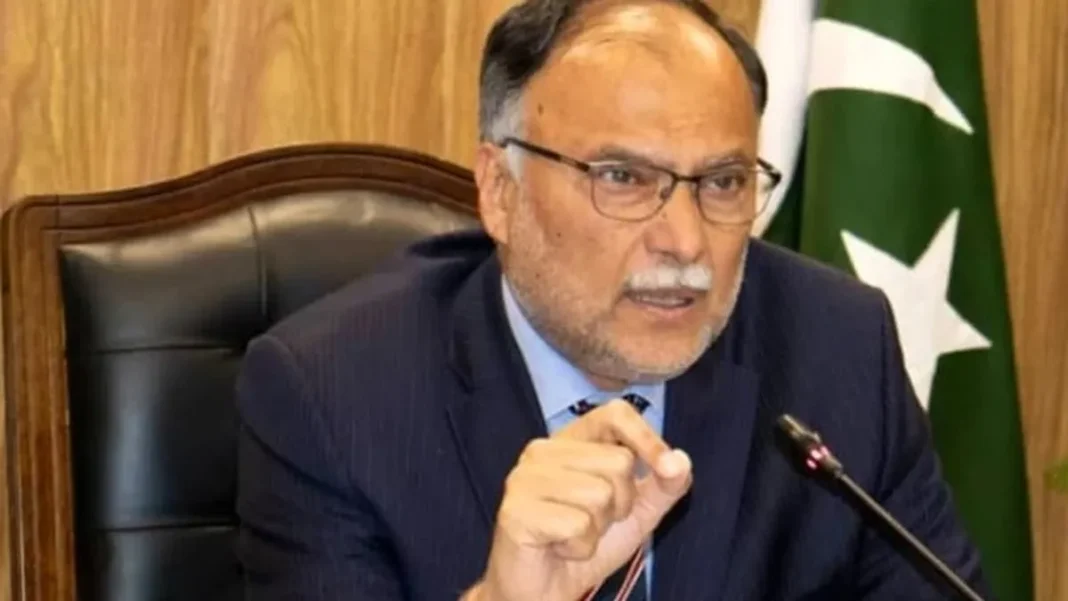
Pakistan aims to train one million AI professionals by 2030, Planning Minister Ahsan Iqbal said on Thursday, setting out seven new AI centres and closer technology cooperation with Russia at a Pakistan-Russia IT forum in Islamabad.
The seven centres will connect research, skills development, startups and industry, Iqbal told the Pakistan-Russia IT Collaboration: Industry Engagement Framework. He said Pakistan produces more than 75,000 graduates every year, and the National AI Policy sets the one-million figure as its training target.
He placed the plan inside a wider economic goal. E-Pakistan is one of five core pillars of the National Economic Transformation Plan, and the government aims to turn the country into a trillion-dollar economy by 2035.
The one million AI professionals target restates the 2025 policy
The one-million figure is not a new promise. The federal cabinet approved Pakistan’s first National Artificial Intelligence Policy on July 30, 2025, and the policy set the same target: one million AI professionals trained by 2030.
The policy also set other targets for the same period, including 50,000 AI-powered civic projects and 1,000 local AI solutions over five years. An AI Council was set up to oversee delivery through a national action plan.
What is new in Thursday’s announcement is the delivery route. The seven centres give the target a physical base, and the Pakistan-Russia forum gives it a partner. Iqbal said the latest initiative should build on recent business-to-business meetings organised by the Pakistan Software Export Board with P@SHA, in which five Russian companies held 16 meetings with 11 Pakistani firms. The aim now is to turn those meetings into contracts.
Russia cooperation: from services to products
Iqbal said cooperation with Russia could focus on automation and enterprise software for industry, digital supply chains for agriculture, secure digital systems for trade, AI, cloud computing and cybersecurity. He said Pakistan needed to move beyond exporting IT services towards developing products and digital platforms for international markets.
He pointed to two systems Pakistan has already built at scale. The National Database and Registration Authority’s digital identity system and the RAAST instant payment system show what the country can deliver. RAAST processed 646 million transactions in a single quarter, he said.
Russia’s expertise in enterprise software, cloud computing and cybersecurity complements Pakistan’s engineering talent and delivery experience, he said. The two countries could jointly develop and deliver solutions in their own markets and in third markets.
What still has to be solved
Iqbal was open about the obstacles. He said payment and settlement mechanisms remained a practical challenge for business between the two countries. He said cooperation should remain company-led, commercially driven and transparent, in accordance with the laws and international obligations of both countries.
He named the language barrier as another obstacle. Limited Russian-language expertise among Pakistani academics has prevented some from benefiting from scholarships, he said. Russian-language education is being promoted through a centre at Allama Iqbal Open University and with the Higher Education Commission.
He closed with a measure of his own for the plan. Success should be judged not by announcements but by the trade, investment and employment generated. “Energy has powered our partnership for years. Now, let’s let technology power our future,” he said.
The announcement gave no opening dates for the seven centres and no funding figures for them. Those details will show whether the plan moves from a target restated into a programme delivered.
Related coverage
- Young Pakistanis are already turning to digital work in large numbers, as Feature Pakistan reported in its look at the rise of freelancing among Gen Z.
- Training programmes such as Enablers have helped build the IT and freelancing base the AI plan will draw on, profiled in Saqib Azhar’s story from Burger King to e-commerce.
- The trillion-dollar economy aim sits inside the wider URAAN Pakistan export push, including the new auto policy’s higher export targets.
- The economic backdrop for the plan is a stabilising economy with record remittances, covered in Pakistan’s inflation and recovery report.
Frequently asked questions
What is Pakistan’s target for AI professionals?
Pakistan aims to train one million AI professionals by 2030, a target set by the National AI Policy approved in July 2025.
What are the seven new AI centres for?
The centres will connect research, skills development, startups and industry.
What will Pakistan and Russia cooperate on?
Automation and enterprise software for industry, digital supply chains for agriculture, secure digital systems for trade, AI, cloud computing and cybersecurity.
What obstacles did Ahsan Iqbal name?
Payment and settlement mechanisms between the two countries, and the limited Russian-language expertise among Pakistani academics.
What is RAAST?
RAAST is Pakistan’s instant payment system. Iqbal said it processed 646 million transactions in a single quarter.