Many people know beets are rich in antioxidants. Yet foods with more antioxidants than beets are easy to find in most shops. A 3.5-ounce serving of beets has an ORAC score of 840. However, prunes score 5,770 on the same scale. In addition, raisins, blueberries, and kale all score higher than beets. This guide lists ten foods that beat beets, with their ORAC scores. It also explains what those scores mean in plain words.
ORAC is a lab measure. It helps us compare foods side by side. However, it does not fully show how antioxidants work in the body. For that reason, use these scores as a guide, not as a final verdict. A varied diet with many colours often works best. In this list, you will see dried fruit, berries, greens, and small vegetables. Each one brings its own colour and taste. As a result, you can mix them into meals you already enjoy.
Before we start, keep one point in mind. No single food can do all the work. Your total diet matters more than one score. Still, small swaps can add up over time. This guide will show you how.
Foods With More Antioxidants Than Beets: Dried Fruits That Lead the List
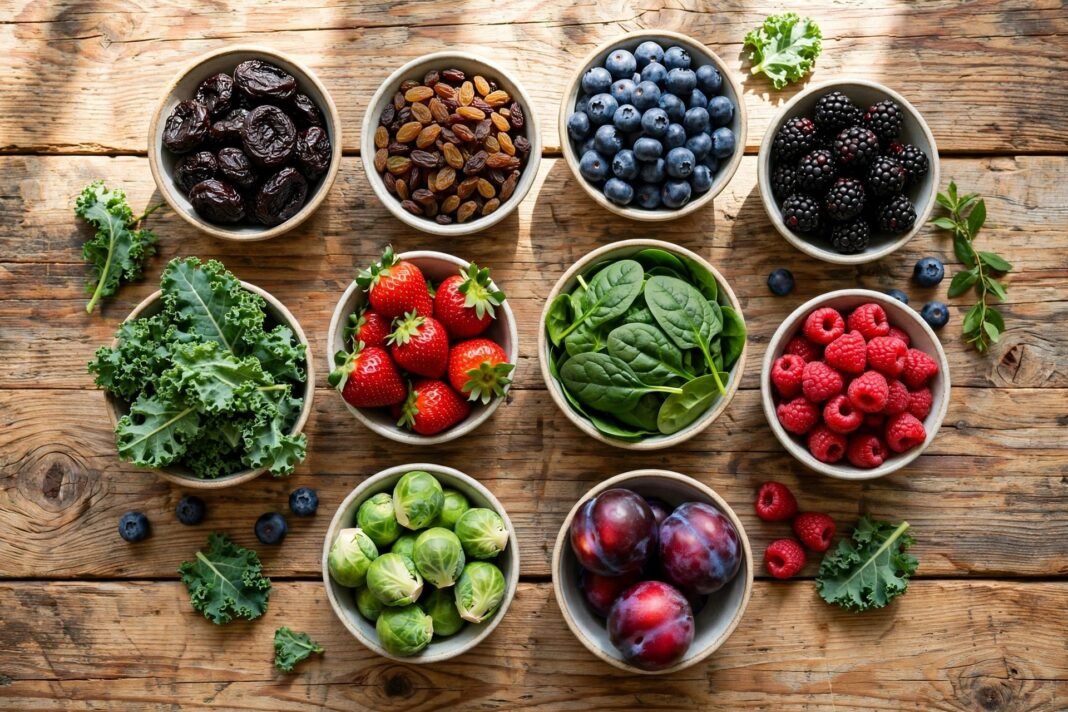
Prunes top this list by a wide margin. A 3.5-ounce serving has an ORAC score of 5,770. That is far above the score of 840 for beets. Prunes are rich in polyphenols. These are antioxidants that help protect cells from oxidative stress. Because prunes are dried, their antioxidants are more concentrated than in many fresh fruits. As a result, a small serving can carry a high score. You can eat prunes on their own. In addition, you can chop them into oats or yogurt. Their taste is sweet and soft. For that reason, many people find them easy to add to a morning meal.
Raisins come next on the list. A 3.5-ounce serving has an ORAC score of 2,830. Raisins are made from dried grapes. They offer a concentrated source of antioxidants, including flavonoids and polyphenols. Like prunes, they gain strength from drying. Water leaves the fruit, while antioxidants stay in a smaller pack. As a result, a small handful can score high. You can add raisins to cereal. In addition, you can mix them into rice dishes or salads. Their sweet taste suits both hot and cold meals. Still, keep the serving small, as dried fruit is easy to eat in large amounts.
Berries With Deep Colour and Strong Antioxidant Power
Blueberries are next, with an ORAC score of 2,400 per 3.5-ounce serving. They are packed with anthocyanins. These antioxidants give blueberries their deep blue colour. The colour is a simple clue to their strength. Fresh blueberries taste sweet and mild. In addition, frozen blueberries work well in smoothies and oats. You can eat them on their own as a snack. As a result, they fit many daily meals with little effort.
Blackberries follow close behind. A 3.5-ounce serving has an ORAC score of 2,036. They have a deep purple-black colour. That colour comes from their natural pigments. Their taste is sweet with a slight tart edge. You can add blackberries to breakfast bowls. In addition, you can eat them with yogurt or porridge. They also work well in a simple fruit salad. For that reason, they are a good choice when they are fresh and in season. If they are not in season, frozen berries can be a useful option too.
Foods With More Antioxidants Than Beets: Leafy Greens to Add Daily
Kale has an ORAC score of 1,770 per 3.5-ounce serving. It is a leafy green packed with powerful antioxidants. These include polyphenols, carotenoids, and vitamins C and E. Kale has a strong green colour and a firm leaf. You can add it to soups and stews. In addition, you can mix it into salads or stir-fries. If the taste feels strong at first, start with a small amount. Then add more as you get used to it. As a result, kale can fit into meals you already make.
Spinach is next, with an ORAC score of 1,260 per 3.5-ounce serving. It is a soft leafy green with a mild taste. That mild taste makes it easy to add to many dishes. You can mix spinach into eggs. In addition, you can add it to pasta, rice, or soups. It wilts fast in a hot pan. For that reason, it needs only a short cooking time. You can also add raw spinach to a salad. In this way, a simple green can lift the colour of a meal.
Leafy greens work well because they are simple to use. You do not need a new recipe to add them. First, wash the leaves well. Next, chop them into small pieces. Then add them to a dish you already cook. You can read more about food choices in this guide to best foods for healthy skin. As a result, you can build a habit that lasts. Still, keep the amounts simple and steady.
Sweet Berries That Beat Beets by a Clear Margin
Strawberries have an ORAC score of 1,540 per 3.5-ounce serving. That is well above the score of 840 for beets. Strawberries are bright red and sweet. They are easy to eat fresh. You can slice them into cereal. In addition, you can add them to yogurt or porridge. They also work well in a fruit salad. For that reason, they are a popular choice for breakfast. Their colour makes a plate look fresh and inviting.
Raspberries follow with an ORAC score of 1,220 per 3.5-ounce serving. They are soft, red, and slightly tart. Their taste is light and fresh. You can eat raspberries on their own. In addition, you can add them to oats or smoothies. They also pair well with other berries. As a result, you can mix them into a simple bowl. If fresh raspberries are hard to find, frozen ones can work in cooked dishes. Still, eat them soon after you buy them, as they are soft and spoil fast.
Foods With More Antioxidants Than Beets: Small Vegetables and Plums
Brussels sprouts have an ORAC score of 980 per 3.5-ounce serving. That is above the score of 840 for beets. They are small, green, and firm. You can roast them in the oven. In addition, you can add them to a tray with other vegetables. Their taste is mild when they are cooked well. For that reason, try them roasted with a little oil. You can also slice them thin for a salad. As a result, a small vegetable can add a lot to a plate.
Plums close this list with an ORAC score of 949 per 3.5-ounce serving. They contain a variety of flavonoids. These include anthocyanins, catechins, quercetin, and rutin. Those compounds add to their antioxidant activity. Plums are sweet and juicy. You can eat them fresh as a snack. In addition, you can slice them into yogurt or oats. Their deep colour is a clear sign of their range. For that reason, they are an easy fruit to add in summer.
These last two foods show that size does not set the score. A small sprout or a single plum can still beat beets. You can read more about food and digestion in this guide to improve gut health naturally. First, pick one of these foods to try this week. Next, add it to a meal you already enjoy. Then note how it fits your taste. In this way, you can build a simple routine.
What ORAC Scores Mean and What They Do Not Mean
ORAC stands for oxygen radical absorbance capacity. It is a lab measure of antioxidant capacity. It helps us compare foods in a clear way. However, it does not fully show how antioxidants work in the body. A high score in a lab does not mean the same effect in real life. For that reason, treat ORAC as a guide. It can help you choose between foods. Still, it should not be the only factor you use.
Your body uses antioxidants in complex ways. Food, cooking, and your total diet all play a part. For example, fresh food may act in a different way from dried food. In addition, your health, age, and daily habits also matter. As a result, no single score can sum up a food. A varied diet with many colours is a safer aim. You can mix berries, greens, and dried fruit across the week. In this way, you cover more ground than one food can.
It also helps to keep your meals simple. You do not need rare foods to eat well. Most foods in this list are common in shops. If you have a health question, talk to a healthcare professional for advice that fits you.
How to Add These Foods Without Changing Your Whole Diet
You can start with breakfast. Add blueberries or strawberries to oats. In addition, add prunes or raisins to yogurt. That small change takes only a minute. Next, add kale or spinach to lunch. You can mix greens into soup or rice. Then add raspberries or plums as a snack. As a result, you can spread these foods across the day. You do not need to change every meal at once.
Lunch and dinner offer more chances. Add Brussels sprouts to a roast tray. In addition, add blackberries to a salad. You can also keep frozen berries for smoothies. They are useful when fresh fruit is out of season. You can read more about food and daily health in this guide to boost immunity naturally. First, pick foods you like. Next, keep them in easy reach. Then use them in small amounts each day.
Keep the habit light and steady. A small step each day is easier to keep than a big change. In this way, your plate gains colour over time.
Which food from this list will you try first, and how will you add it to a meal you already enjoy?
Please note: this article shares general information only. It is not medical advice, and it does not diagnose, treat, or cure any health issue. No dosage advice is given for any food or supplement. If you have a health concern, talk to a healthcare professional about your own situation.