The Bari Imam House CDA dispute has returned to court, with the Capital Development Authority deciding to challenge the Islamabad High Court’s interim order that directed it to de-seal the property.
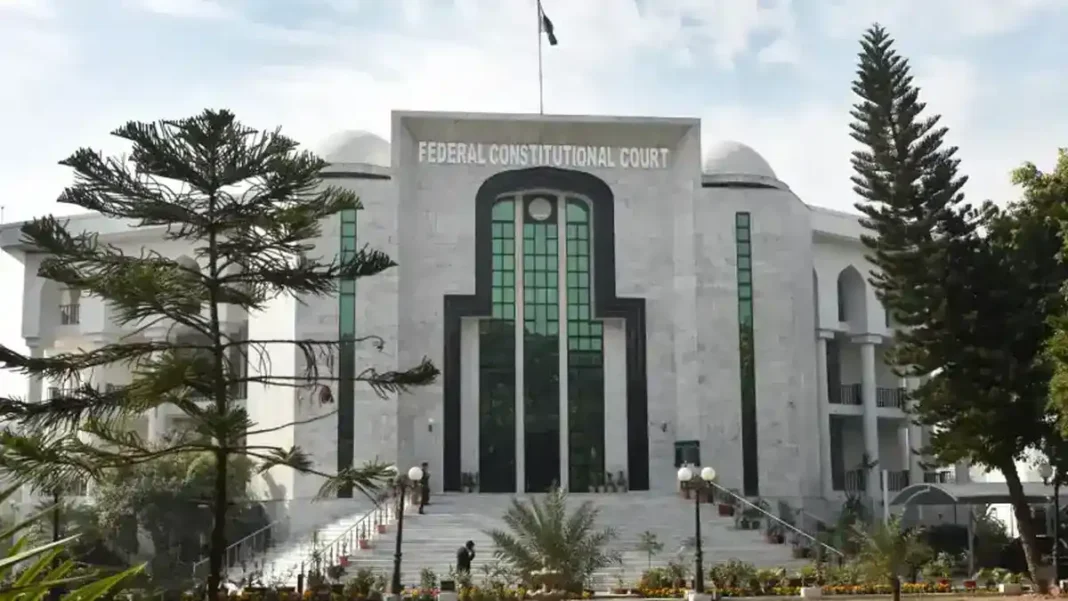
The Islamabad High Court had on November 3 directed the CDA and other respondents to “forthwith de-seal the premises” and barred any further demolition until the next hearing, Dawn reported. The order came on a petition filed by Mohammad Akmal, the caretaker of the premises, through Advocate Syed Shajjar Abbas Hamdani.
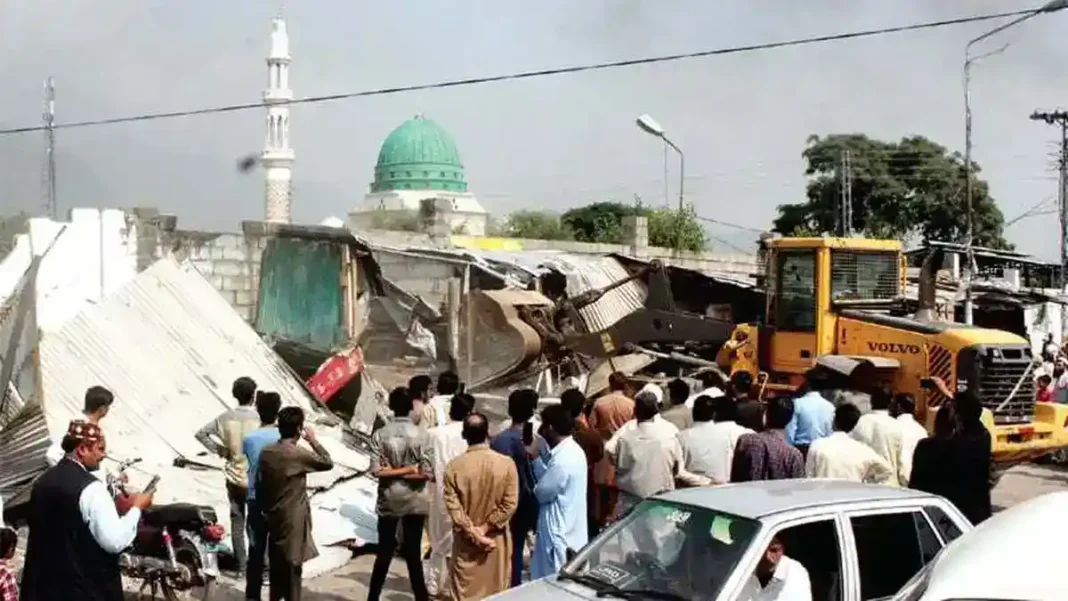
The CDA, which sealed the premises on October 30 in a joint operation with the district administration, claimed the structure stands on government land and was among properties identified for action under its anti-encroachment drive.
The house beside the shrine
The house is located opposite the shrine of Hazrat Bari Imam Sarkar in Nurpur Shahan, one of the oldest settlements in the capital. The shrine draws devotees from across the country, and the locality around it has grown over generations into a dense neighbourhood of homes, shops and small businesses.
The CDA maintained that the operation was part of its campaign to retrieve government land and remove illegal structures, and that further action will follow in accordance with the rules. The caretaker’s petition tells a different story. It says the house, which comprises a mosque and a Langarkhana, stands on land that was exempted as shrine property and was never acquired, with no award announced and no compensation paid. The petition says the additional deputy commissioner (revenue) and CDA officials sealed the premises without any notice or opportunity of hearing and installed an Auqaf Department board at the gate, in violation of Articles 4, 10A, 20, 23, 24 and 25 of the Constitution.
The court, while issuing a restraining order last week, had issued notices to the respondents to file their report and para-wise comments within two weeks. The CDA’s decision to challenge the interim order means the question of whether the house stands on government land will now be argued before the court, rather than settled by the authority on the ground.
A long-running campaign in the capital
The Bari Imam dispute is part of a much larger enforcement campaign that has reshaped parts of Islamabad this year. In April, the CDA demolished the ancestral residence and political outhouse of former Islamabad mayor Pir Adil Gilani in the same locality, despite a stay order issued by the Islamabad High Court. The property, spread over four kanals, had been inhabited by his family for generations.
That followed a first phase in which 10 neighbourhoods comprising around 13,000 homes were bulldozed, and a second phase targeting 14 more localities. Residents said nearly 95 per cent of those affected would receive no compensation.
More recently, on October 30, the authorities demolished the Khanna Police Station building, which stood on the greenbelt along the Islamabad Expressway. Interior Minister Mohsin Naqvi personally supervised that operation, which was also attended by the Islamabad chief commissioner and the inspector general of police. The minister said the police station had been temporarily shifted to an alternative location, while a new legal site had been allocated for its building.
The pattern is consistent: the state identifies land it says is public, moves in with machinery, and deals with legal challenges afterwards. The Bari Imam House case now tests whether a court order to de-seal a property can hold against an authority determined to clear it.
What happens next in the Bari Imam House CDA case
The CDA will file its challenge and place its record before the court, including its claim that the house stands on government land. The caretaker’s side will argue that the sealing was unlawful and that the property has been held by the family for generations. The court will weigh the survey record against the history of occupation, as it has done in other cases from the same locality.
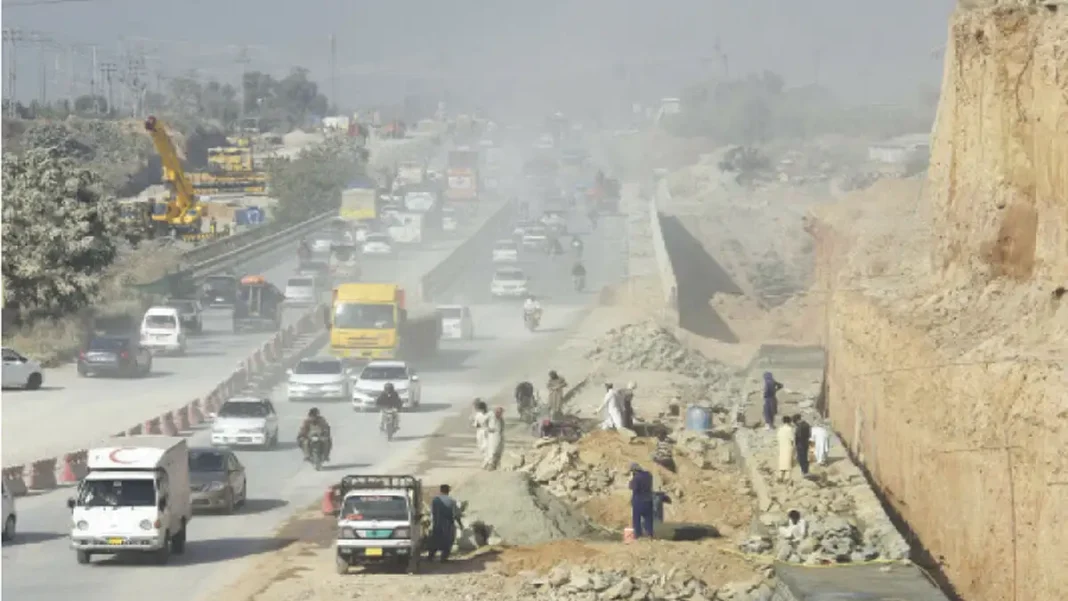
The authority’s wider programme continues in parallel. It has divided Islamabad into zones for waste collection covering 1.1 million residents, and the Margalla Avenue extension is set to finish weeks early. The campaign to clear encroachments, however, remains the most contested part of its work, because it touches homes and livelihoods in settlements that predate the capital itself.
Frequently asked questions
What is Bari Imam House?
Bari Imam House is a property opposite the shrine of Hazrat Bari Imam Sarkar in Nurpur Shahan, Islamabad. Its caretaker, Mohammad Akmal, petitioned the Islamabad High Court after the CDA sealed it on October 30.
What did the court order?
On November 3, the Islamabad High Court directed the CDA and other respondents to de-seal the premises at once and barred any further demolition until the next hearing. It also asked the respondents to file their report and para-wise comments within two weeks.
Why does the CDA want to challenge the order?
The CDA claims the structure stands on government land and was identified for action under its anti-encroachment drive. It says the sealing was part of its campaign to retrieve government land and remove illegal structures.
Is this part of a wider campaign?
Yes. The CDA has carried out large-scale demolitions around the Bari Imam locality since April, and demolished the Khanna Police Station on the Islamabad Expressway greenbelt on October 30 as part of the same drive against encroachments on government land.