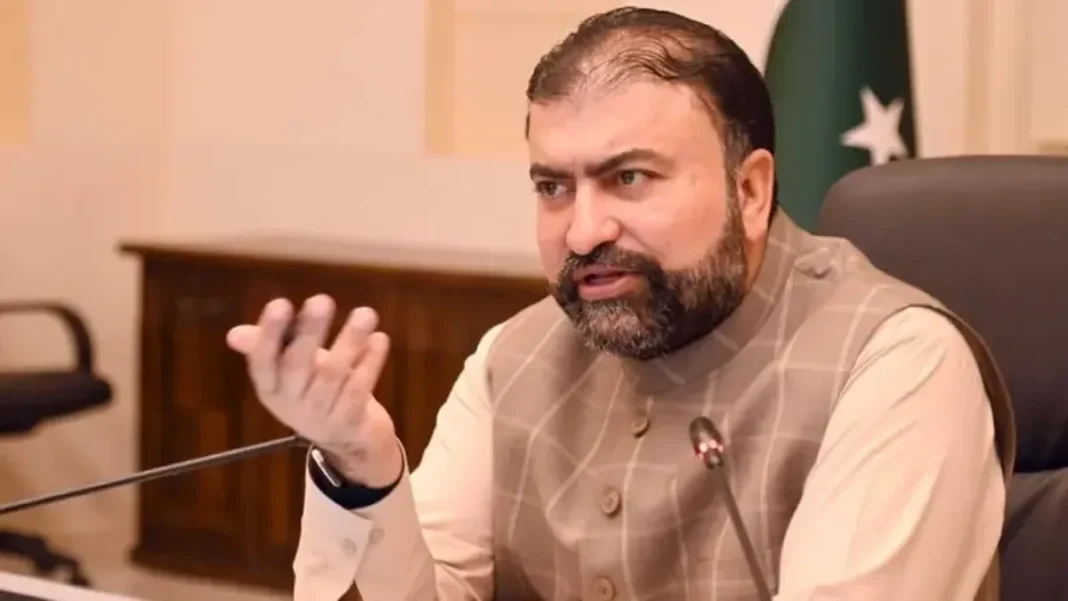
A 150-bed Quetta cardiac hospital is nearing completion and is expected to open later this month, giving heart patients in Balochistan treatment at home instead of a long journey to another province.
Balochistan Chief Minister Sarfraz Bugti said the Balochistan Institute of Cardiovascular Diseases (BICVD), a 150-bed hospital, is in its final stages. He spoke while chairing the first meeting of the institute’s Board of Directors, which reviewed progress on completion, medical facilities, the administrative structure and preparations to make the hospital operational, Dawn reported.
The institute will provide modern diagnostic and treatment facilities for heart diseases within the province. At present, patients from Balochistan must travel to other provinces for specialised cardiac care.
Quetta cardiac hospital to open this month
The board meeting reviewed the operational readiness of the hospital before its inauguration, which is expected later in November. The meeting also approved the appointment of cardiologist Dr Jalal Khan as the institute’s interim head.
Dr Khan will oversee preparations to make the institution operational in line with modern medical standards. The board will supervise the remaining work, including the provision of medical facilities and the administrative setup.
Bugti said the establishment of the institute would end the need for patients to travel to other provinces for specialised cardiac care. For families in Quetta and the rest of Balochistan, that journey has long meant heavy expense, time away from home and treatment delayed by distance.
Why the hospital matters for Balochistan
Balochistan is Pakistan’s largest province by area and among the most underserved in health care. Specialist facilities are thin on the ground, and patients with heart conditions often face a choice between a costly trip to Karachi and going without treatment.
A cardiac hospital in Quetta changes that calculation. Patients will be able to get diagnosis, treatment and follow-up care in their own province, and doctors will be able to treat emergencies that cannot wait for a journey of hundreds of kilometres.
The pressure on the health system is not limited to Balochistan. Pakistan needs about 179,000 more doctors to meet demand, and public hospitals across the country struggle with overcrowding and a shortage of facilities.
Other provinces are adding capacity too. In Karachi, a new block at Abbasi Shaheed Hospital is ready after 52 years, while a 600-bed hospital in Larkana has also moved towards opening. The Quetta cardiac institute is Balochistan’s addition to that effort.
Health programmes across the country are also under review. The Pakistan Medical Association has called for a forensic audit of disease programmes, arguing that public money for health must be tracked more closely.
For the BICVD, the test now is whether the inauguration date holds. The board has set the structure and the interim leadership. The remaining work is to finish the building, install and test the equipment, staff the wards and open the doors to patients who have waited years for cardiac care in their own province.
Frequently asked questions
What is the BICVD?
The Balochistan Institute of Cardiovascular Diseases is a modern 150-bed cardiac hospital in Quetta. It will provide diagnosis and treatment for heart diseases within Balochistan.
When will the hospital open?
Chief Minister Sarfraz Bugti said the hospital is nearing completion and is expected to be inaugurated later in November 2026.
Who will run the hospital?
The BICVD Board of Directors oversees the institute. The board has appointed cardiologist Dr Jalal Khan as interim head to prepare the hospital for opening.
Why does the hospital matter?
At present, heart patients in Balochistan must travel to other provinces for specialised cardiac care. The new hospital will let them get treatment at home, saving expense, time and delay.