No, schools are not closed. Smog in Punjab has filled parent chat groups with closure messages this week, but the Punjab government has not ordered any school to close. In fact, Punjab Education Minister Rana Sikandar Hayat has ruled out extra smog holidays for schools.
Many parents are confused, and the worry is easy to understand. The air in Lahore and other Punjab cities has been very unhealthy for days. However, the official position is clear: schools stay open, and classes continue as usual. This guide explains what the minister said, what parents should believe, and how to keep children safe on smog school days. For the full picture on health risks, read our guide on smog in Punjab and how to protect your family.
Are Schools Closed Because of Smog in Punjab?
The short answer is no. On 11 November 2026, Punjab Education Minister Rana Sikandar Hayat said the government had no plan to close schools because of smog. He said no such decision was under consideration. As a result, all schools and colleges in Punjab continue their classes on the normal schedule.
The Environment Protection Department has not asked the government to close schools either. In fact, no department has submitted any proposal to close educational institutions or to restrict market hours. The government took this decision after reviewing the latest smog readings. October smog levels were about 33% lower than the same month last year. Therefore, officials decided that classes should go on as normal.
Parents should send their children to school as usual. If your child feels unwell, keep them at home and inform the school, as you would on any other day. The school routine has not changed, so homework, tests and classes all continue. For example, a child who misses school because of a rumour will miss real lessons for no reason.
Why the Closure Rumours Spread
Rumours about school closures spread fast on social media. Messages in parent groups claim that schools will close for several days. However, these messages have no official source. The minister himself has asked parents not to believe them.
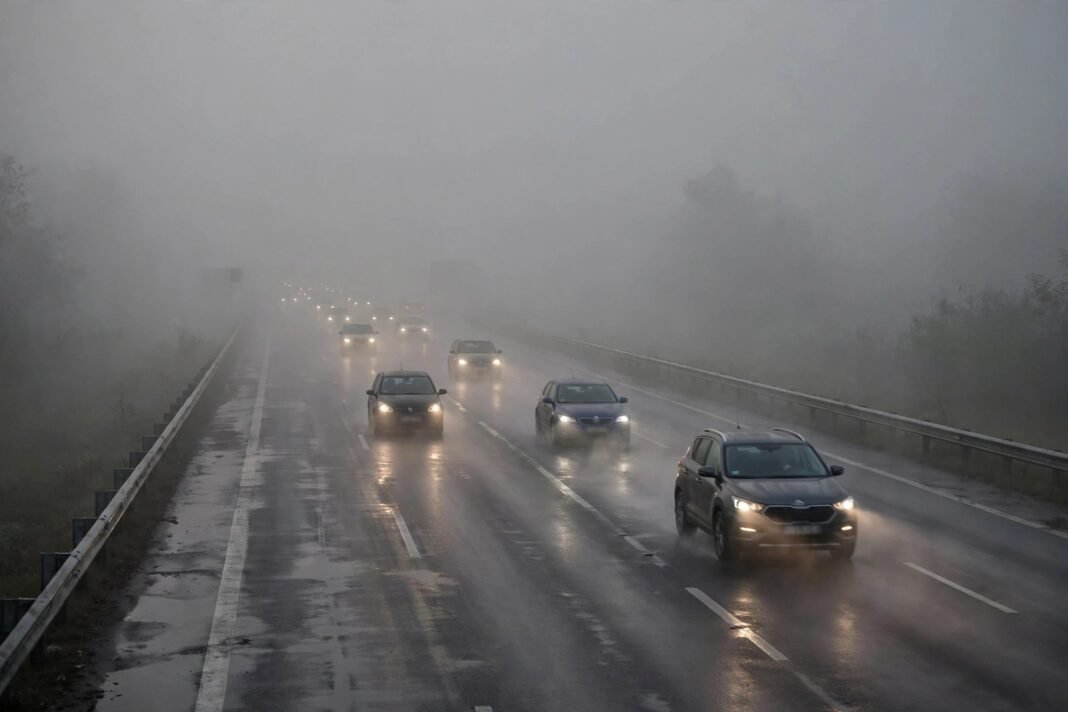
The worry behind the rumours is real. Lahore topped the list of the world’s most polluted major cities on 11 November, with an air quality index of 451. On 13 November, the air quality index in Lahore stood at 211, which counts as very unhealthy. Fine dust known as PM2.5 is the main pollutant. When parents see grey skies and smell smoke in the air, a closure message feels true.
Old news adds to the confusion. In November 2024, schools in several Punjab cities did close because of smog. Posts from that time are now being shared again as if they were new. In other words, a message that looks fresh may in fact be two years old. Always check the date on a forwarded post before you believe it.
What Parents Should Believe About Smog in Punjab
Trust official announcements only. The education minister has said this clearly, and it is the safest rule for parents. A real closure decision would come through an official notification. In addition, your child’s school would inform you directly through its own notice or message.
A forwarded message is not an announcement. If a post has no date, no official letterhead and no named source, treat it as a rumour. For example, a screenshot of a message in a parent group proves nothing on its own. Check the school’s official channel first. If the school has said nothing, then nothing has changed.
You can also watch the daily air quality readings for your city. Smog levels usually rise until 15 November and then fall gradually. Experts expect a slow improvement after that date. Meanwhile, the daily routine stays the same: school in the morning, classes as normal, and normal timings.
Masks and Safety Rules for School Children
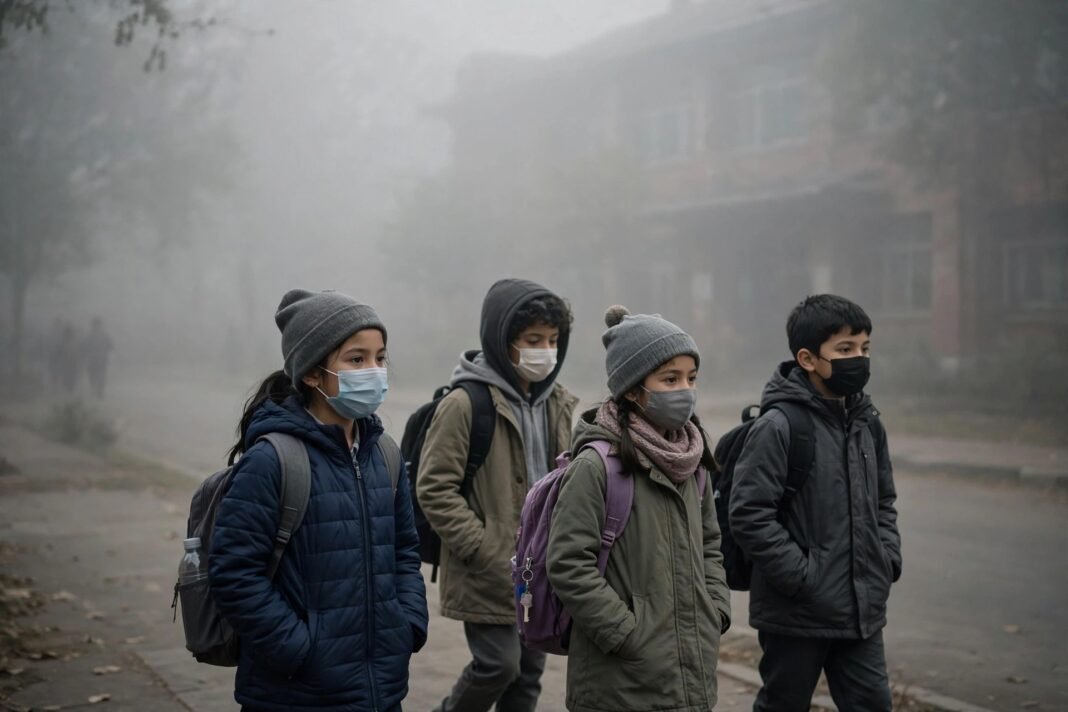
Masks are now part of the school day in Lahore. In Lahore, masks are mandatory for school students, and children should wear one on the way to school and back. Our report on masks for school students in Lahore explains the rule in full.
Send your child with a clean mask each morning. The mask should cover the nose and mouth fully, and it should fit snugly at the sides. A loose mask lets polluted air in around the edges. In addition, pack a spare mask in the school bag, in case the first one gets dirty or wet.
Teach your child not to share masks with friends. A mask that another child has worn will not protect your child. Similarly, remind them to wash their hands when they reach school and when they come home. These small habits matter most on days when the air is thick with smog.
If your child has asthma or a breathing problem, take extra care. Talk to the school about your child’s condition, and keep any prescribed medicine in the school bag. Above all, watch for warning signs such as a lasting cough, wheezing or trouble breathing. If you see them, speak to a doctor.
Outdoor Activities on Smog Days
Schools have been told to stop outdoor activities when smog readings are high. This order came last month, and it still applies. Sports practice, outdoor assemblies and games in the school ground may move indoors on bad-air days.
This step protects children where it matters most. Outdoor games mean deep breathing, and deep breathing pulls more polluted air into the lungs. In addition, exercise during smog can irritate the throat and lungs. Indoor activities keep children active without the extra exposure.
Ask your child’s school what its smog plan is. Does the school move assembly indoors? Are sports cancelled on high-smog days? A short question to the class teacher will give you a clear answer. Meanwhile, limit outdoor play at home too, especially in the early morning when smog is thickest.
If your child walks or cycles to school, the mask matters even more. The morning journey is often the smoggiest part of the day. For example, a child who walks for 20 minutes breathes smoggy air the whole way. A mask, and a route away from busy roads where possible, will help.
Winter Vacations: What We Know So Far
Many parents also ask about winter vacations. The winter break is expected to run from 21 December 2026 to 10 January 2027, with schools reopening on 11 January 2027. However, the Punjab government has not issued an official notification yet. As of 11 November, no notification had been announced.
Do not plan travel on rumoured dates. Until the notification comes, the dates above are only expected dates. They may change. In addition, winter vacations are the regular school break, not smog holidays. The two are different, and parents should not mix them up.
The notification usually comes closer to December. When it arrives, schools will share it with parents through their normal channels. Until then, the school calendar stays as it is. Your child’s school will confirm the dates once the government announces them.
How Smog in Punjab Affects Children
Smog is more than an ugly sky. The main pollutant is PM2.5, a fine dust so small that it can reach deep into the lungs. The World Health Organization calls air pollution a major environmental risk to children’s health. Children spend more time outdoors than adults, and their lungs are still growing.
Smog can irritate the eyes, nose and throat. It can bring on coughing, and it can make asthma worse. In fact, children who already have breathing problems feel the effects first. That is why masks, indoor play and clean air at home matter so much during the smog season.
The good news is that the worst weeks may soon pass. Smog levels usually peak around 15 November and then fall. Experts expect a gradual improvement after that date. October smog was already lower than the same month last year. As a result, the trend so far is better than last year, even if the air is still unhealthy today.
Practical Tips for Parents on Smog School Days
A few simple habits can protect your child through the smog season. Firstly, check the air quality in the morning before your child leaves. Secondly, send a clean mask and a spare. Thirdly, ask the school about outdoor activities that day.
At home, keep windows closed on high-smog days, especially in the morning. Wet-mop floors instead of sweeping, because sweeping lifts dust into the air. In addition, keep your child hydrated and offer warm fluids if they have a cough. These steps will not remove smog, but they will reduce your child’s exposure.
Watch your child for signs of trouble. A cough that lasts for days, wheezing, or tiredness after light activity all deserve a doctor’s visit. Do not wait for the smog to clear before you act. Meanwhile, keep the school informed if your child needs to stay home for health reasons.
For the full picture on health risks and protection, read our guide on smog in Punjab and how to protect your family. It covers masks, indoor air and the warning signs in more detail. Smog season will pass, but the habits you build now will protect your child every winter.
Has smog changed your child’s school routine this week? Tell us in the comments.