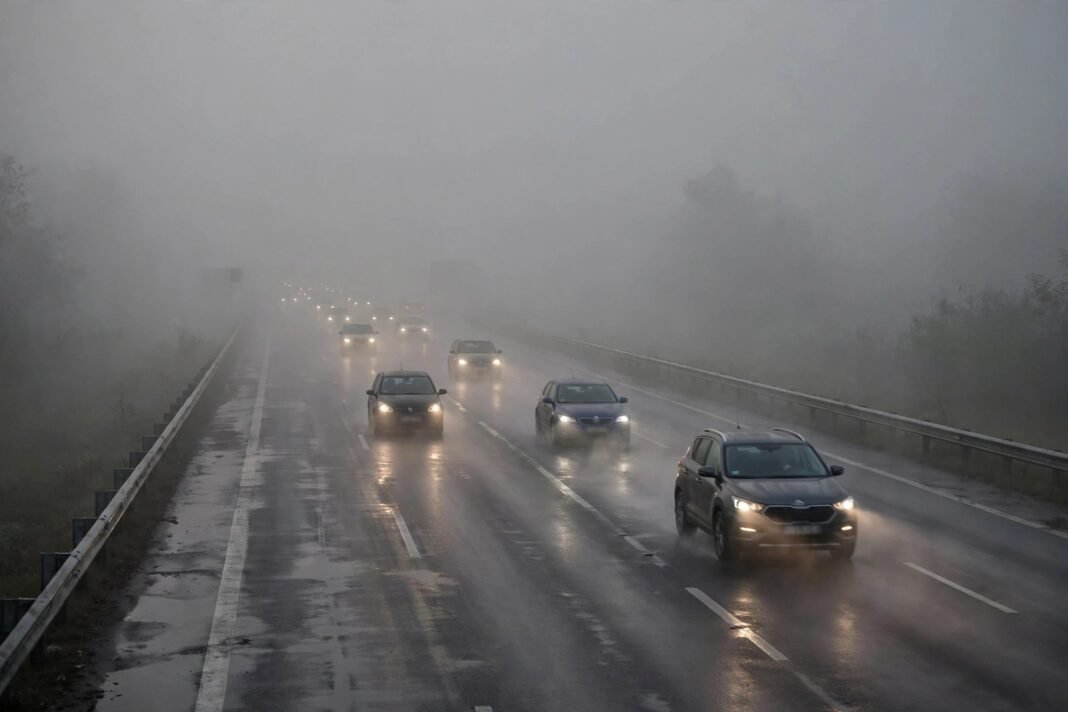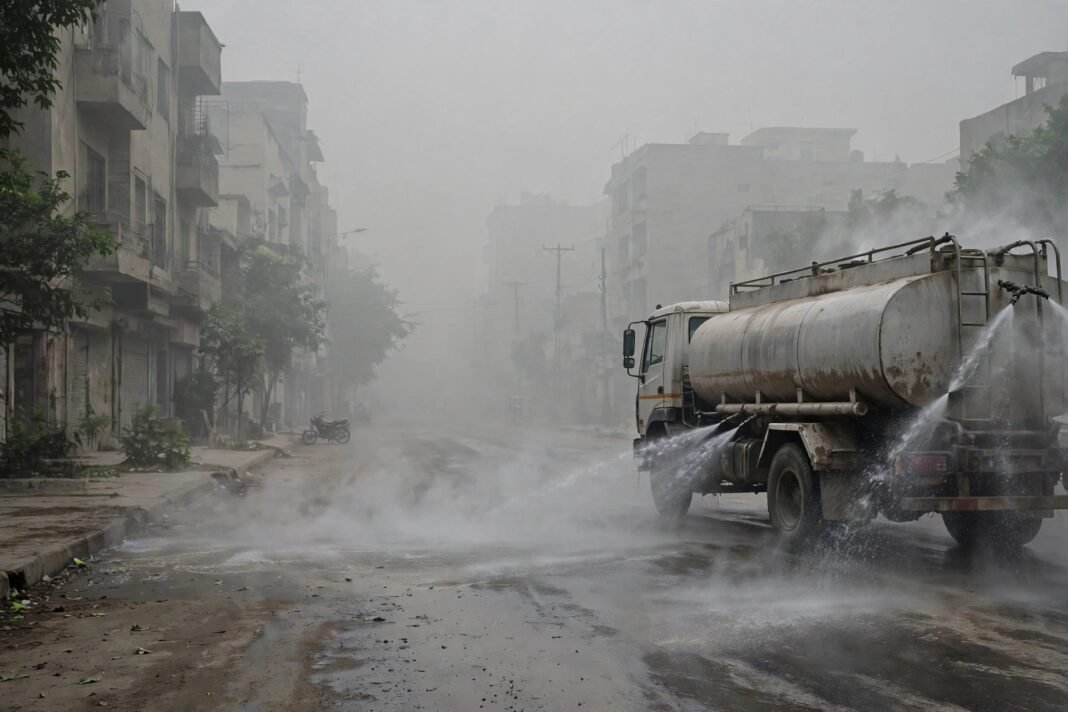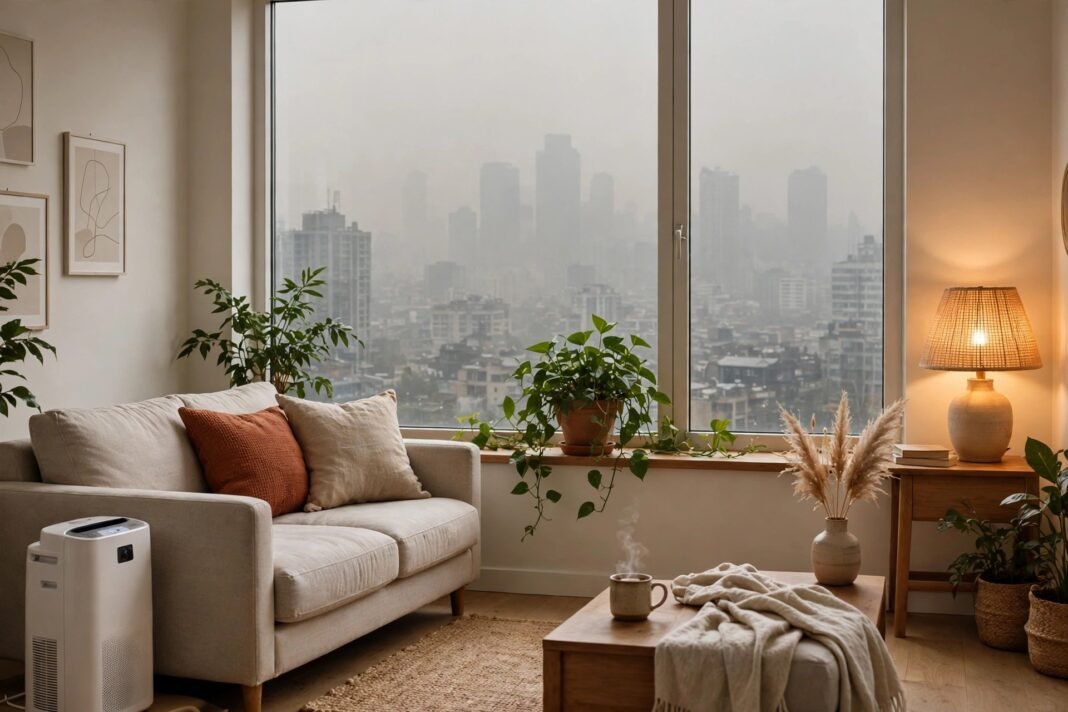
Smog in Punjab is back, and this week it reached very unhealthy levels. Lahore recorded an air quality index (AQI) of 211 on 13 November 2026. Fine dust known as PM2.5 was the main pollutant. Two days earlier, the city topped the global pollution ranking with an AQI of 453. For this reason, many families now keep their windows shut and stay indoors. But staying inside only helps if the air inside your home is cleaner than the air outside.
This guide shows how to protect your home from smog in Punjab, room by room. It covers sealing gaps, choosing an air purifier, and keeping indoor air clean. To understand the health risks first, read our guide on smog in Punjab and how to protect your family.
Why Smog in Punjab Gets Inside Your Home
Smog does not stop at your front door. Fine particles are tiny, and they slip through gaps around windows and doors. They also ride in on clothes, shoes and pets. As a result, indoor air can stay polluted even when every window is shut.
The main problem is PM2.5, particles smaller than 2.5 micrometres. These particles are so small that they pass through ordinary gaps and cracks. In addition, they settle on floors, beds and furniture, where they rise again into the air. That is why a home needs more than closed windows during smog season.
Experts expect smog in Punjab to rise until 15 November, then decline slowly. October smog was about 33% lower than last year, yet levels remain high. In short, this is a weeks-long problem, not a one-day event. A few simple steps now can make your home safer for the whole season.
Smog in Punjab comes from many sources. The Environment Protection Department lists transport emissions, industry, brick kilns, crop burning, construction dust and waste burning. Smoke from any of these can drift into your home. Report waste burning near your home on the Green Punjab app, or call the EPD helpline 1373.
Seal the Gaps: Windows, Doors and Cracks
Start with the gaps. Firstly, check every window frame for cracks and loose edges. Secondly, check the bottom of each outside door. A strip of foam tape or a door sweep can close most gaps for very little money.
Pay attention to rooms where people sleep. A bedroom with sealed windows stays cleaner through the night. In addition, close the gaps around pipes and cables that enter from outside. Even a small hole lets in dusty air all day.
Do not forget the kitchen and bathroom vents. These openings connect your home to the outside air. For example, an uncovered exhaust fan lets smog drift in when it is not running. Cover it with a cloth or a simple flap when the fan is off.
When to Open Windows — and When to Keep Them Shut
Closed windows help, but a sealed home still needs fresh air. Cooking, cleaning and breathing all add moisture and smells indoors. Therefore, open your windows at the right time, not all day.
Check the daily AQI before you open a window. Many weather apps show the AQI for your city each morning. If the number is high, keep the windows shut. If it drops, open them for a short time to let fresh air in.
The AQI scale is simple to read. A reading from 0 to 50 means good air. Readings from 51 to 100 mean moderate air. Above 150, the air is unhealthy, and above 200 it is very unhealthy for everyone. Lahore’s reading of 211 on 13 November sat in that very unhealthy range.
Early morning is often the worst time for smog in Punjab. The air is cool and still, so the smog sits close to the ground. Midday is usually better, because the sun warms the air and lifts the smog. As a result, late morning or early afternoon is often the best time to air out your home.
Smog in Punjab: Choosing an Air Purifier That Works
An air purifier can help, but only if you choose the right one. Look for a true HEPA filter first. A true HEPA filter captures at least 99.97% of particles 0.3 micrometres in size. That size covers the fine dust in smog.
Size matters as well. Check the clean air delivery rate, known as CADR, on the box. The US Environmental Protection Agency (EPA) suggests a smoke CADR of at least two-thirds of the room’s area. For example, a 300-square-foot room needs a smoke CADR of about 200.
Put the purifier in the bedroom first, because you spend the most hours there. Keep the door and windows shut while it runs. In addition, look for a model with an activated carbon filter. Carbon catches gases and smells that a HEPA filter alone cannot catch.
Avoid ozone generators sold as air cleaners. The EPA warns that these devices can release ozone at levels that harm health. In short, they add a pollutant instead of removing one. A plain HEPA purifier is the safer choice.
Houseplants will not clean your air. A 2019 review by Drexel University looked at 12 studies. It found that a single potted plant cleans air far too slowly to matter in a real room. You would need 10 to 1,000 plants per square metre of floor space to match normal ventilation. Grow plants because they look nice, not because they clean the air.
Keep Indoor Air Clean: Smoke, Cooking and Candles
A sealed home traps indoor pollution as well as outdoor smog. For this reason, the way you cook and clean matters more during smog season. Small habits can make a big difference to the air your family breathes.
Firstly, do not smoke indoors. Cigarette smoke adds fine particles to the air, and it stays in a closed room for hours. Secondly, limit incense sticks and scented candles. They look harmless, but they also release fine particles when they burn.
Cooking needs care too. Frying and grilling release smoke and grease into the air. Always switch on the exhaust fan before you cook, and keep it running for a few minutes after. If you have no fan, open a window near the stove for a short time while you cook.
Cleaning products can add to the problem as well. Strong sprays and air fresheners release chemicals into the air. Use them sparingly, and choose plain soap and water where you can. As a result, your home stays clean without adding new pollution.
Wet Mopping Beats Dry Sweeping During Smog Season
Dust from smog settles on every surface in your home. Dry sweeping lifts it back into the air, where you breathe it in again. Wet mopping traps the dust instead, so it leaves your home with the mop water.
Mop hard floors once a day during smog season. Wipe tables, shelves and window sills with a damp cloth as well. In addition, shake out rugs and bedding outside only when the AQI is low. On bad days, keep them inside and vacuum them instead.
Shoes carry dust in from the street. For example, a single walk outside can bring fine dust onto your floors. Leave shoes at the door, and ask visitors to do the same. In short, the less dust that enters, the less you need to clean.
Protecting Children and Older Family Members Indoors
Children and older people feel the effects of smog first. Their lungs are more sensitive, so they need extra care indoors. Create one clean room in your home, ideally a bedroom, and keep it as dust-free as you can.
Keep the clean room’s door shut and run an air purifier there if you have one. Let children play in that room during the worst hours of the day. Meanwhile, keep older family members away from the kitchen while cooking smoke is in the air.
Watch for warning signs, such as a cough that will not stop or trouble breathing. If you see these signs, speak to a doctor. For more on children’s breathing problems in this season, read our guide on kids’ throat and chest infections in autumn.
Smog in Punjab: A Simple Daily Routine for Cleaner Air
Good habits work best as a routine. Check the AQI each morning, and plan your day around it. On high-AQI days, keep windows shut and stay indoors as much as you can.
In the morning, mop the floors and wipe the surfaces. At midday, open the windows for a short time if the AQI has dropped. In the evening, run the air purifier in the bedroom before bedtime. Finally, check the AQI again before you sleep, so you know what tomorrow may bring.
You cannot control the smog outside, but you can control the air inside your home. Small steps, done every day, add up over a long smog season. To learn more about the health risks and how to protect your family, read our guide on smog in Punjab.
This article is for general information only and does not replace medical advice. If you are worried about your family’s health, speak to a doctor.
What is the first step you will take to protect your home from smog this week? Tell us in the comments.