Pakistan Strategic Minerals Push Targets Global Investors
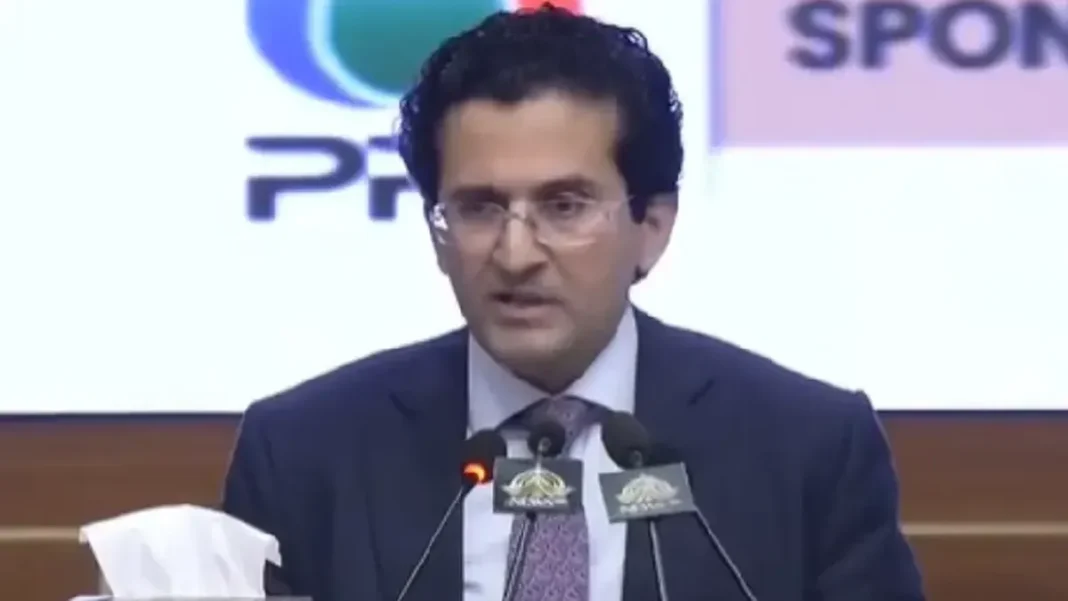
Pakistan strategic minerals are now the focus of the country’s exploration effort, Petroleum Minister Ali Pervaiz Malik told investors at the Pakistan Minerals Investment Forum 2026 in Islamabad on Friday.
Malik said exploration work was increasingly aimed at minerals that held strategic importance for global investors. He was speaking on the second day of the two-day forum, where delegations, exhibitors and visitors from around the world have gathered to hear Pakistan’s pitch for mining investment.
The forum opened on Thursday with a broad showcase of the country’s mineral wealth, from coal and salt to gold and critical minerals. Deputy Prime Minister Ishaq Dar and Finance Minister Muhammad Aurangzeb led the opening pitch, promising predictable policies, institutional support and security for investors. Delegations from 60 countries attended the first day, along with 122 exhibitors and more than 5,000 visitors.
Pakistan strategic minerals: copper, lithium and rare metals
Malik told the forum that exploration was being backed by modern geochemical and geophysical surveys, exploratory drilling and upgraded geoscience laboratories fitted with advanced analytical technology.
He named copper and gold in Chagai and western Balochistan, lithium, tin and tungsten in Gilgit-Baltistan, and antimony and base metals in Khyber Pakhtunkhwa as the focus areas.
Pakistan has exported raw ore for years and imported finished products to meet its own needs. Malik said the government was now moving to capture more of the value chain, starting with copper smelting so that ore mined in Pakistan is processed at home before it reaches world markets.
Geological mapping and data for investors
The minister said Pakistan was also strengthening the scientific base of its mineral sector through the Geological Survey of Pakistan. An accelerated mapping programme, with detailed surveys at a scale of 1:50,000, is identifying new mineral prospects across the country.
Through international technical cooperation, including the UK Pakistan Geoscience Capacity Building Programme, Pakistan is building expertise in digital mapping, airborne surveys and mineral assessment. Malik said the government was also digitising decades of geological information so investors could check reliable data, reduce exploration risk and make informed decisions.
The work matters because a mineral deposit is only the first step. Malik said a commercially viable mine also needed electricity, water, roads, railways and access to international markets, and infrastructure development was being aligned with the country’s mineral ambitions.
Rail links and ports to connect mines to markets
In that context, Malik described the planned upgrade of the Rohri-Nokundi railway corridor, better connectivity to Port Qasim and supporting infrastructure around Reko Diq as important steps towards connecting Pakistan’s mineral-rich regions with global markets.
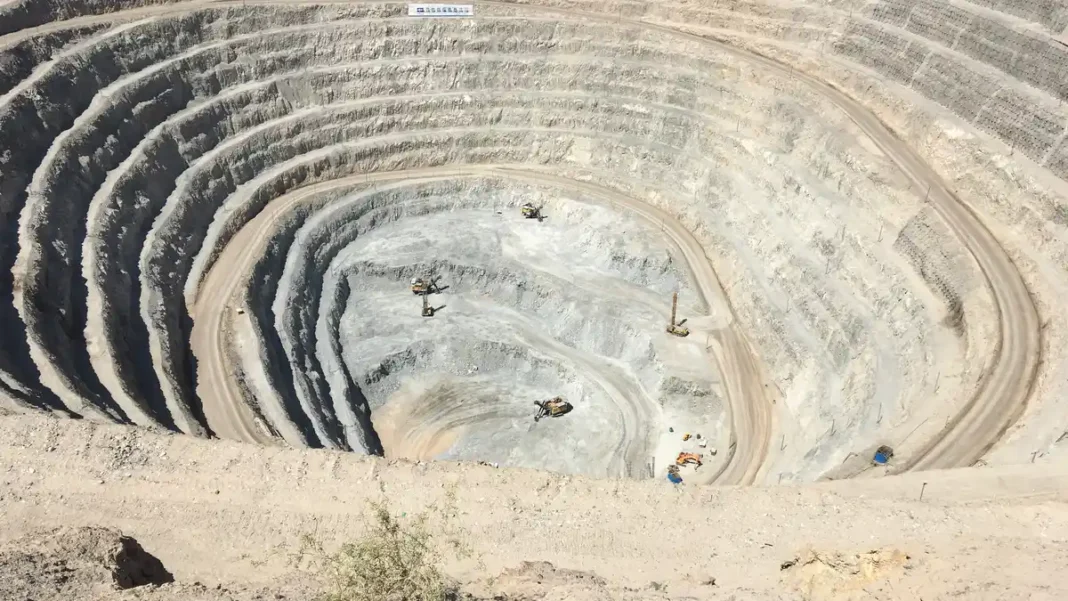
Reko Diq, the large copper-gold project in Balochistan, remains paused until June next year, but the government is pressing ahead with the transport links the project and other mines will need. Provinces offered security guarantees and incentives to mineral investors at the forum on Thursday, including a new Frontier Constabulary security division in Balochistan.
Malik said the objective was clear: to build not just individual mines, but an integrated, competitive and sustainable mineral industry. Where it was commercially and technically viable, he said, investment should support processing, refining, downstream industry, technology transfer and integration into global value chains.
He added that the industry should build Pakistani capability as it grew, through technical skills, vocational training, engineering services, a stronger base for Pakistani suppliers and real career opportunities for young people, including women entering the sector for the first time.
He also stressed that none of it would hold together without the communities in the producing regions. Projects that earned the trust of the communities around them were, in his experience, the projects that actually got built and lasted.
The forum has already produced early business. Ivanhoe Mines of Canada signed a memorandum of understanding with Mari Energies as part of its push into South Asia, and Pakistan has set a target of $8 billion in mineral exports. Sindh has separately pitched its own mineral sector to investors this week.
Frequently asked questions
Which minerals is Pakistan now targeting?
Copper and gold in Chagai and western Balochistan, lithium, tin and tungsten in Gilgit-Baltistan, and antimony and base metals in Khyber Pakhtunkhwa.
What is Pakistan doing to process minerals at home?
The government is advancing copper smelting so ore is processed in Pakistan rather than exported raw, and it wants investment in refining and downstream industry.
How is Pakistan helping investors find deposits?
The Geological Survey of Pakistan is running detailed mapping at a scale of 1:50,000, digitising decades of geological data and building expertise through the UK Pakistan Geoscience Capacity Building Programme.
What infrastructure is planned for the mining sector?
The Rohri-Nokundi railway corridor is to be upgraded, connectivity to Port Qasim improved, and supporting infrastructure built around Reko Diq.