Delhi Overtakes Lahore as World’s Most Polluted City
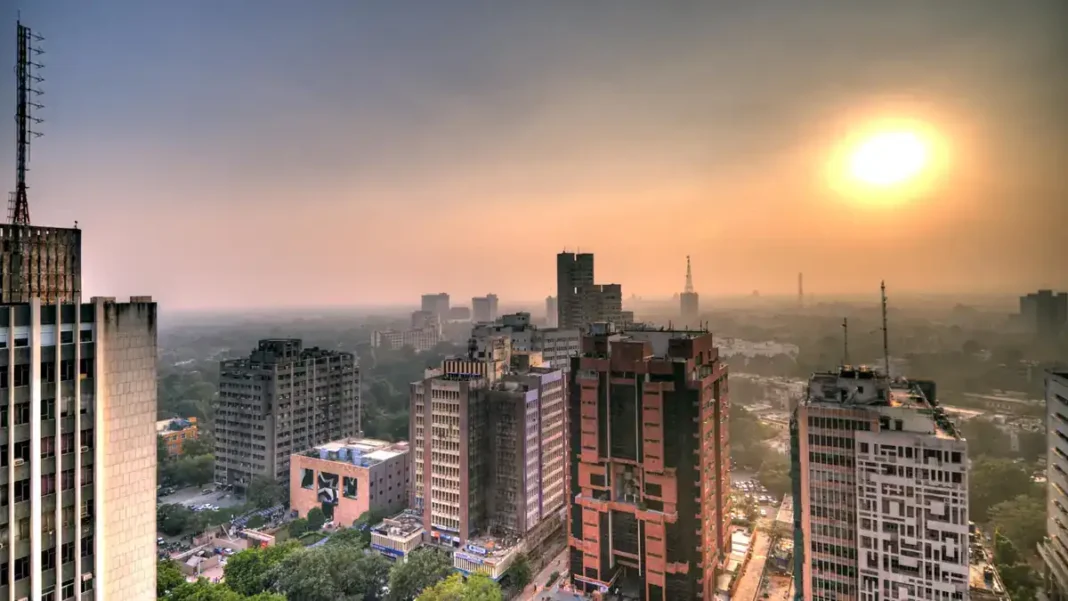
Delhi overtakes Lahore as the world’s most polluted major city, after smog pushed the Indian capital’s air into the hazardous range on Friday, cutting visibility across a city of 20 million people.
Swiss group IQAir put Delhi’s air quality index, or AQI, at 334, a level it rates as hazardous. An AQI reading of up to 50 is counted as good. India’s Central Pollution Control Board recorded a higher reading of 403 and rated the air as severe. The two figures differ because the agencies use different scales and methods.
By 11am PKT on Friday, Delhi’s reading had eased to 208 on IQAir’s hourly measure, while Lahore stood seventh among the world’s most polluted major cities at 155.
Delhi overtakes Lahore after days at the top for Lahore
Friday’s change ended a run in which Lahore had ranked as the most polluted major city in the world for several days in a row.
Pollution is a seasonal problem across northern Pakistan and India, where cold, heavy winter air traps vehicle emissions, construction dust and smoke from farm burning.
Later on Friday, light rain and shifting winds brought Lahore’s AQI down to about 111, moving it to 15th place, according to The Thursday Times.
What the new air quality report found
A report by the Pakistan Air Quality Initiative, released on Tuesday, showed how bad Lahore’s air had been before Friday’s improvement. The city’s average PM2.5 concentration stood at 126 micrograms per cubic metre, about eight times the World Health Organisation’s guideline value.
The average exceeded the 24-hour National Environmental Quality Standards on all 40 days with valid data, though 11 per cent lower than in the same period in 2025.
Satellites detected 18,825 fires across Punjab during the period, 89 per cent likely crop-residue burning, with the highest daily count of 1,102 on November 1. The report cautioned that this did not establish the precise contribution of crop burning to city pollution, since stagnant weather also helped pollutants build up.
Punjab steps up enforcement
Punjab Environment Protection Agency spokesperson Sajjad Bashir said enforcement had intensified. In the January 1 to November 10 period, brick kiln inspections rose from 37,838 in 2025 to 80,594, while authorities demolished 1,372 kilns against 1,223 last year. Another 864 kilns were sealed, and fines rose to Rs163.35 million from Rs156.05 million.
Industrial inspections rose from 38,098 in 2025 to 47,643 in 2026, with 1,419 units sealed and fines totalling Rs216.98 million, more than double the Rs101.41 million imposed in the same period last year.
Confiscations of prohibited plastic rose to 438,159 kilogrammes from 378,630, with fines up to Rs34.21 million from about Rs7.63 million. The department made 9,802 restaurant visits, fitted 3,750 suction hoods and sealed 1,263 establishments, while action against construction dust continued through inspections and mist sprinklers.
Bashir said favourable weather had helped disperse pollutants, but the improvement could not last on weather alone. Enforcement against industries, brick kilns, farm burning, smoky vehicles and open waste burning must continue beyond the smog season, he said.
Lahore has lived with the smog all season. The city topped global pollution rankings more than once, reaching 189 on one recent day, and was ranked the world’s most polluted city in October as well. Punjab authorities were weighing cloud seeding over Lahore, a Copernicus report has tracked ozone pollution, and the city has fined 11,871 smoke-emitting vehicles in the crackdown.
Frequently asked questions
What was Delhi’s AQI on Friday?
IQAir recorded Delhi’s AQI at 334, hazardous on its scale. India’s Central Pollution Control Board recorded 403 and rated the air severe. The two figures differ because the agencies use different scales and methods.
Where did Lahore rank on Friday?
Lahore stood seventh at 11am PKT at 155. Later in the day, light rain and wind brought the reading down to about 111, moving the city to 15th place.
What did the air quality report find?
Lahore’s average PM2.5 was 126 micrograms per cubic metre, about eight times the World Health Organisation’s guideline value. It breached national standards on all 40 days with valid data, and satellites detected 18,825 fires across Punjab, 89 per cent likely crop-residue burning.
What action is Punjab taking against pollution?
Brick kiln inspections rose to 80,594 from 37,838, and industrial inspections to 47,643 from 38,098. Authorities sealed 864 kilns and 1,419 units, confiscated 438,159 kilogrammes of prohibited plastic, and fitted 3,750 suction hoods at restaurants.
Why did Lahore’s air improve?
Light rain and shifting winds helped clear the air. The Punjab Environment Protection Agency said favourable weather had helped disperse pollutants, but enforcement must continue beyond the smog season.