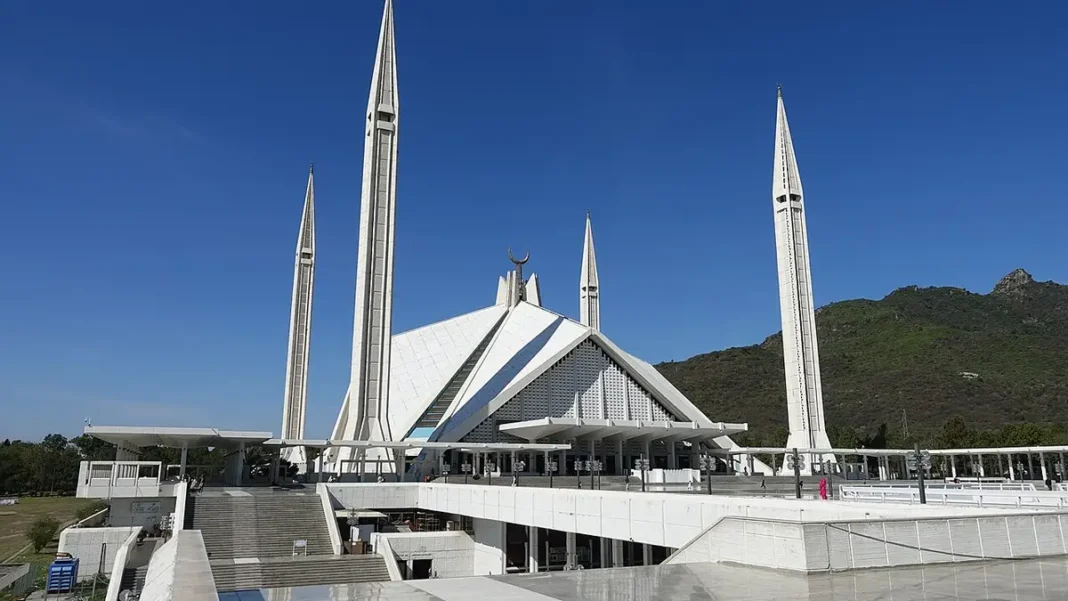
Islamabad Cashless City Deadline Set for December 31
The Islamabad cashless city plan will make the capital Pakistan’s first fully cashless city by December 31, 2026, with all businesses and merchants required to adopt digital payment systems.
Government departments working under the Islamabad Capital Territory administration and the Capital Development Authority (CDA) will stop accepting cash payments after November 30. The move will make digital transactions mandatory for government services before the broader citywide rollout.
The timeline was finalised at a review meeting of the Cashless Islamabad initiative chaired by Minister of State for Interior Talal Chaudhry, attended by CDA Chairman Sohail Ashraf, senior officials and banking representatives.
Chaudhry said the initiative was being accelerated under the directives of Prime Minister Shehbaz Sharif and Interior Minister Mohsin Naqvi. The government aims to make Islamabad not only Pakistan’s first cashless city but also the world’s first cashless capital.
Islamabad cashless city: 26,000 merchants already on board
Officials told the meeting that around 26,000 merchants in Islamabad had already joined digital payment platforms. The remaining businesses, including major commercial establishments, small traders and street vendors, must integrate into the system before the December 31 deadline.
The minister said the transition would help reduce undocumented economic activity, improve financial transparency, strengthen tax monitoring and make commercial transactions more efficient. He also stressed the need for continued talks with local businesses to ensure a smooth shift across different segments of the economy.
Representatives from the banking sector welcomed the initiative and pledged technical and operational assistance to help the government meet its year-end target.
The government is seeking to build a citywide digital payment ecosystem covering businesses of all sizes, alongside the shift of public sector departments away from cash transactions.
Digital payments are already surging across Pakistan
Islamabad’s cashless push lands on ground already moving fast towards digital payments. The State Bank’s Annual Payment Systems Review for FY26 found that digital channels carried 92 percent of retail payment transactions, up from 88 percent a year earlier.
Raast, the State Bank’s instant payment system, is driving the change. Payments from customers to merchants through Raast rose from 4.9 million in FY25 to 182.5 million in FY26, and their value jumped from Rs14.9 billion to Rs994.4 billion.
For residents, the shift will mean paying by card, mobile wallet or QR code instead of cash at shops, markets and government counters. Small traders and street vendors face the biggest adjustment.
What the change means for residents
The November 30 cut-off for government offices comes first. After that date, anyone paying for a government service will need a bank card, a mobile wallet or a Raast transfer.
The December 31 deadline then extends the rule to the whole city, and every shop, restaurant and vendor will need a way to take digital payments.
Pakistan Railways has already moved to digital ticket refunds, showing how public services are shifting away from cash. The State Bank has pushed financial inclusion for people with disabilities, and Pakistan’s single window system has digitised trade checks.
The test will be the small end of the market. Large stores already take cards, but street vendors and small shops will need cheap, simple tools and help to use them.
If the capital meets the deadline, other cities are likely to follow. The government has framed Islamabad as the model for a national shift, and the same Raast rails that carry payments in the capital already run across the country. Microsoft’s outage this week showed how much daily life now depends on digital systems.
Frequently asked questions
When will Islamabad become fully cashless?
Islamabad will become Pakistan’s first fully cashless city by December 31, 2026. Government departments will stop accepting cash from November 30.
What does cashless mean for shops and vendors?
All businesses and merchants in Islamabad must adopt digital payment systems, such as card machines, mobile wallets or Raast QR codes, before the December 31 deadline.
How many merchants have already joined digital payments?
Around 26,000 merchants in Islamabad have already joined digital payment platforms, according to officials at the review meeting.
Who is leading the Cashless Islamabad initiative?
The initiative is led by Minister of State for Interior Talal Chaudhry, under the directives of Prime Minister Shehbaz Sharif and Interior Minister Mohsin Naqvi.
Why is the government pushing for a cashless Islamabad?
The government says the shift will reduce undocumented economic activity, improve financial transparency, strengthen tax monitoring and make commercial transactions more efficient.