Punjab Approves Rs75.99 Billion for Sewerage in 13 Cities
Punjab has approved Rs75.99 billion for sewerage in 13 cities, the largest single share of the province’s Rs126.7 billion development package.
The money is earmarked to improve sewerage and drainage systems and to pave streets across 13 cities. The allocation was approved under the Punjab Development Programme, ProPakistani reported, and it marks a major push to upgrade basic urban facilities in smaller cities rather than concentrating funds in the major metropolitan centres.
The work will be carried out in Mailsi, Abdul Hakeem, Ferozewala, Daska, Mandranwala, Jamkay Cheema, Kamoke, Kot Abdul Malik, Muridke, Alipur Chatha, Hazro, Renala Khurd and Mian Channu.
Sewerage in 13 cities: the towns covered
The list spans the province. Mailsi and Mian Channu sit in the south, while Daska, Kamoke, Muridke and Kot Abdul Malik are in the central belt around Lahore and Gujranwala. Hazro lies in the north near Attock, and Renala Khurd is in Okara district.
Several of the towns are small trading and market centres that have grown fast without matching investment in drains and streets. Their sewerage networks, where they exist at all, are old and narrow, and their streets are often left unpaved.
The allocation treats all 13 towns under one programme, which means the work will follow a common standard rather than being split into separate small schemes. That matters because drainage and street paving work best when they are planned together: a paved street without a working drain floods in the first heavy rain, and a new drain under an unpaved street is soon choked with silt.
Part of a wider Rs126.7 billion package
The sewerage allocation was cleared at the 13th meeting of the Provincial Development Working Party on Friday, which approved 19 schemes worth Rs126.67 billion in total. The sewerage share alone accounts for about 60 per cent of the package.
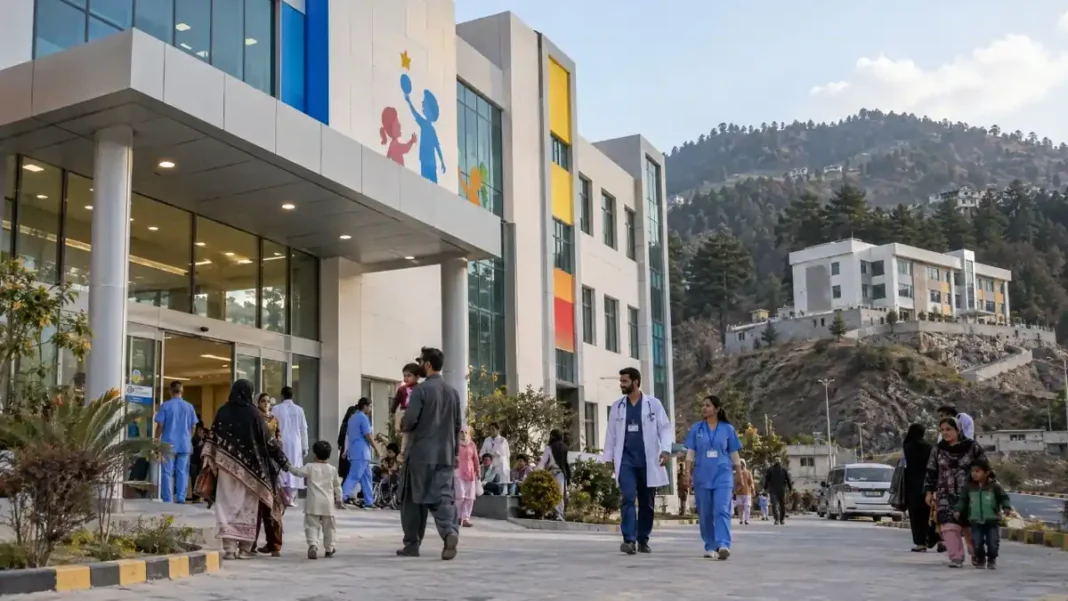
The same meeting also approved two hospital projects worth Rs11.65 billion, a 50-bed hospital in Bhurban and a children’s hospital in Rawalpindi. It cleared Rs18.86 billion for the University of Technology in Rasul, Mandi Bahauddin, along with schemes for roads, hostels and traffic management.
The Provincial Development Working Party is the forum that clears development schemes before funds are released. Its approval is the first formal step; the schemes must still go through tendering and contracting before work starts on the ground.
Why smaller cities come first
The choice to spend the largest share of the package on 13 smaller cities is a shift in emphasis. Punjab’s big cities usually absorb most development money, while towns like Mailsi, Hazro and Renala Khurd wait years for basic works.
Poor drainage is one of the most visible problems in these towns. Heavy monsoon rain turns low streets into ponds, damages homes and shops, and leaves stagnant water that breeds disease. Unpaved streets add dust in the dry months and mud in the wet ones, and they wear out quickly under tractor trolleys and loaded trucks.
Fixing drains and paving streets does not make headlines the way a new motorway does, but it changes daily life for the people who live on those streets. It also protects the larger investments around them: a town with working drainage keeps its roads, schools and clinics usable through the monsoon.
The province has been spending heavily on public services this year, from a Rs6.8 billion diabetes programme to new rules for private events at public schools. The sewerage allocation fits that pattern of spending on basic services rather than showcase projects.
The risk is delivery. Punjab has a long record of announcing schemes that move slowly, and the Rawalpindi Ring Road, whose inauguration has been postponed for a ninth time, is the best-known example. The completion of the Lillah-Jhelum dual carriageway after five years shows the province can finish large works when funding and supervision hold. The sewerage programme will test whether the same holds for smaller towns.
Frequently asked questions
How much has Punjab approved for sewerage in 13 cities?
Punjab has approved Rs75.99 billion to improve sewerage and drainage systems and pave streets in 13 cities.
Which 13 cities are covered?
Mailsi, Abdul Hakeem, Ferozewala, Daska, Mandranwala, Jamkay Cheema, Kamoke, Kot Abdul Malik, Muridke, Alipur Chatha, Hazro, Renala Khurd and Mian Channu.
What share of the development package is the sewerage allocation?
At Rs75.99 billion, it is the largest single share of the Rs126.7 billion development package, about 60 per cent of the total.
When was the allocation approved?
It was approved at the 13th meeting of the Provincial Development Working Party on Friday, which cleared 19 schemes worth Rs126.67 billion.
What work will the money pay for?
The money will pay for improved sewerage and drainage systems and for paving streets in the 13 cities, under the Punjab Development Programme.