Sindh Climate Justice Call at COP31 in Antalya
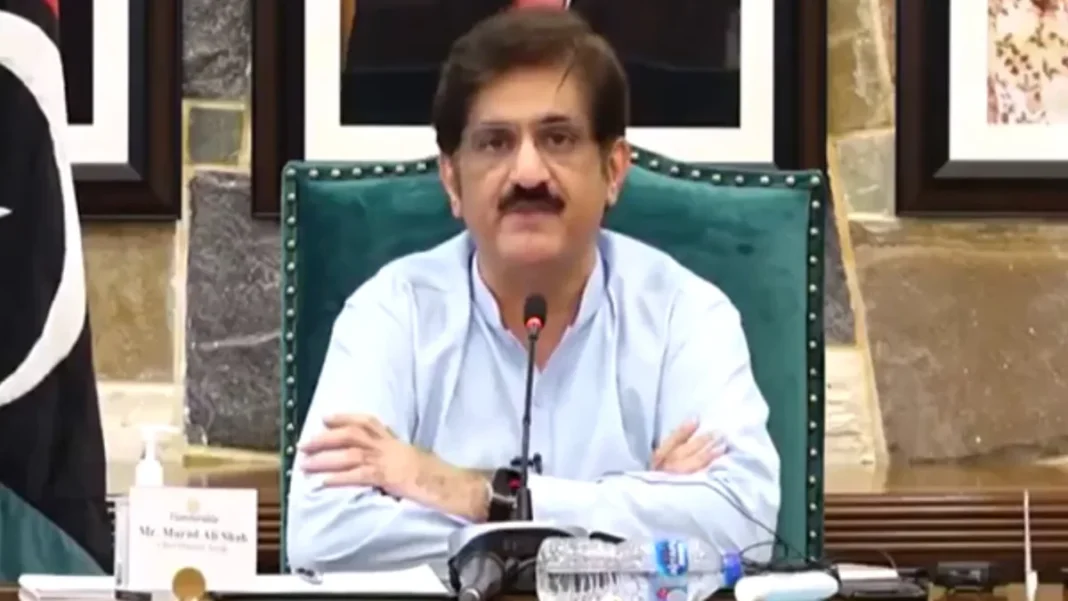
Sindh Chief Minister Murad Ali Shah has raised the Sindh climate justice case at the United Nations climate conference, telling delegates that Pakistan produces less than 1% of global carbon dioxide emissions yet keeps paying a heavy price for global warming.
Shah spoke at the 31st United Nations Climate Change Conference, COP31, in Antalya, Turkiye. He urged the international community to share climate finance fairly and pass on clean technology to vulnerable countries.
Developing nations, he said, had done the least to cause climate change but were bearing its heaviest burden.
The 2022 floods still shape Sindh
Shah built his case on Pakistan’s own record of disaster. The floods of 2022 affected 33 million people across the country, killed more than 1,700 and caused losses of over $30 billion. Sindh alone suffered nearly 70% of the damage.
The province has faced the same pattern since. Shah said his government had chosen to rebuild safer and stronger, rather than simply repair what the floods destroyed.
A housing programme on a world scale
The centrepiece of that rebuild is the Sindh People’s Housing Programme, which the chief minister described as the world’s largest post-disaster housing reconstruction effort. It aims to build 2.1 million climate-resilient homes for affected families.
More than one million houses have been completed in three and a half years, while 700,000 more are at various stages of construction. The programme has set up more than 42,000 community committees and opened over 1.7 million bank accounts so aid reaches families directly.
Women have a central role, with homes registered in their names. World Bank President Ajay Banga praised the programme during a visit to Larkana.
Barrages, schools and mangroves
Shah also set out the province’s work on flood defences. Sindh has rebuilt 205 kilometres of protective embankments and restored 157,000 hectares of farmland. Work at Manchar Lake has lifted its water discharge capacity to 83,500 cusecs.
All 44 gates of Sukkur Barrage have been replaced, and 54 of the 65 gates at Guddu Barrage have been rebuilt. The province aims to finish the rehabilitation and modernisation of its barrages by 2027.
The rebuild reaches beyond flood walls. The government is rebuilding 5,811 flood-damaged schools, rehabilitating 141 roads across 825 kilometres in 19 districts and restoring more than 1,000 damaged health facilities, with a focus on care for mothers and children.
On the coast, Sindh has restored 126,000 hectares of mangrove forest in the Indus Delta, with a target of 225,000 hectares by 2030. The Delta Blue Carbon initiative is expected to cut or absorb 142 million tonnes of carbon dioxide, and 5.6 million tonnes of carbon credits have already been verified.
Sindh climate justice: what the province wants
The call for climate justice rests on a simple claim: countries that emit the least should not pay the most for a crisis they did not cause. For Pakistan, that means money for adaptation, not only for cutting emissions, and technology that lets it rebuild in a cleaner way.
Negotiators at COP31 are already haggling over a draft deal on fossil fuels, and the final text will show how far rich nations are willing to go. Punjab has set up an AI climate observatory to track the same risks. The UNDP has warned that El Nino could double the cost of climate damage in Pakistan, and private money is being lined up for wastewater treatment.
Mangroves shield coastal towns from erosion and cyclones, protect marine life and support fishing families, and keeping fresh water flowing from the Indus is vital to the delta’s survival, Shah said.
Frequently asked questions
What did Murad Ali Shah say at COP31?
He said Pakistan emits less than 1% of global CO2 yet suffers devastating climate disasters, and urged fair climate finance and technology transfer for developing nations.
How bad were the 2022 floods for Sindh?
The floods affected 33 million people nationwide, killed more than 1,700 and caused losses above $30 billion. Sindh bore nearly 70% of the damage.
What is the Sindh People’s Housing Programme?
It is the world’s largest post-disaster housing reconstruction effort, aiming to build 2.1 million climate-resilient homes. More than one million are complete.
How much mangrove forest has Sindh restored?
Sindh has restored 126,000 hectares in the Indus Delta, with a target of 225,000 hectares by 2030.
What is climate justice?
It is the idea that countries which contributed least to climate change should not bear its heaviest costs, and should receive fair finance and technology to cope.