FBR Customs Watchlist Adds Bridges, Barrages
The FBR customs watchlist has grown to cover dozens of bridges, barrages and motorways across Sindh, Punjab and Khyber Pakhtunkhwa, as the Federal Board of Revenue widens its anti-smuggling net.
The Revenue Division issued the change on Tuesday through S.R.O. 2129(I)/2026, amending S.R.O. 797(I)/2021 of 21 June 2021 under the Customs Act 1969. The new locations fall under the Collectorate of Customs Enforcement, Indus, and its designated and miscellaneous entry stations.
Which routes join the FBR customs watchlist
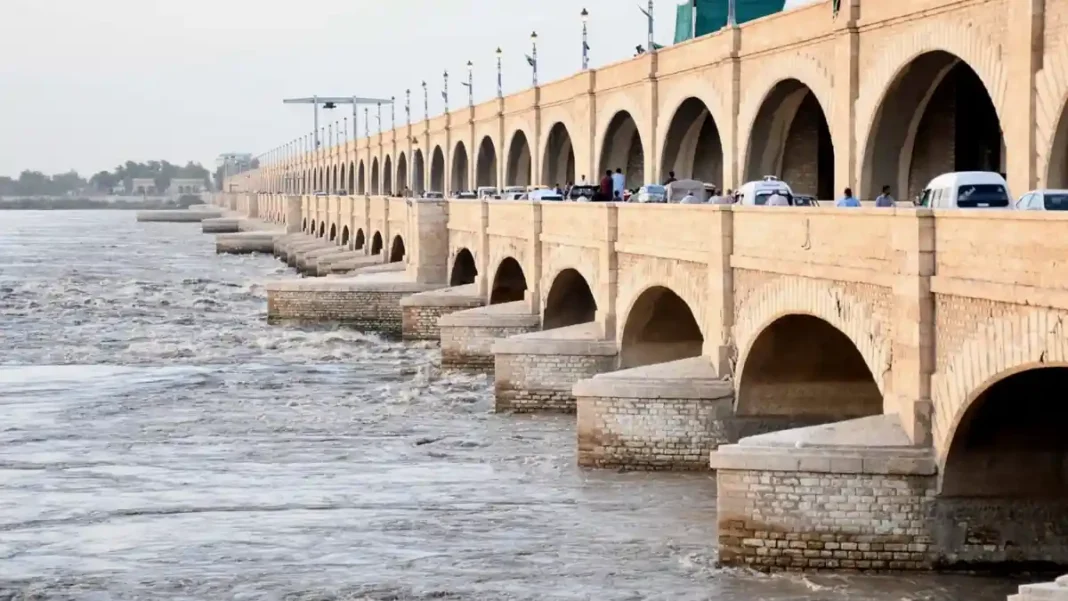
Three points around Hub join the list: Hub-Moachko, Hub-Bypass Road and Hub-Mygarhi Cut/Hamdard. In Sindh, the additions are Guddu Barrage, Sukkur Barrage, the Sukkur-Multan Motorway M-5 from Arror to Sukkur, Larkana-Khairpur Bridge, Dadu-Moro Bridge, Amiri Qazi Ahmed Bridge, Kotri Bridge, Aral-Sehwan Bridge and Bhan Saeedabad-Sehwan.
The list also covers the DI Khan-Hakla Motorway M-14, part of the China-Pakistan Economic Corridor, plus Kalabagh Bridge, Jinnah Bridge, Chashma Bridge, the DI Khan-Bhakkar Road at Dajjal Bridge, Taunsa Barrage, Ghazi Ghat and Zahir Pir. In the north it adds Thakot-Battagram, Tarbela, the Swabi M-1 Motorway, Attock GT Road and Khushal Garh.
Together, the points span the Indus crossings and the main north-south freight links. They sit far from the borders and ports where smuggled goods first enter the country.
How the watchlist works
The amendment folds the Collectorate of Customs Enforcement, Indus, and its Designated Entry Stations and Miscellaneous Entry Stations into the existing framework for customs adjudication. Cases linked to the covered areas go to the relevant Collectorates of Customs (Adjudication), as set out in the 2021 notification.
A designated entry station is a fixed point where customs staff can stop and check vehicles and cargo. A miscellaneous entry station covers other crossings where officers can act. Naming bridges and barrages as entry stations gives enforcement teams a clear legal basis to intercept goods at river crossings smugglers have used as open routes. The change creates no new tax or duty.
Why the FBR is widening the net
Smuggling costs the national exchequer heavily each year and undercuts legal traders who pay duty and tax. Duty-free goods can sell far below lawful imports, which hurts local industry and cuts revenue for public services.
Feature Pakistan has reported on the scale of the problem. Customs seized Rs680 million worth of smuggled goods near Kalabagh, and Kalabagh Bridge now appears on the watchlist. The crossing where officers made a major seizure is now a formal entry station, so future cases there follow a clear adjudication route.
The timing fits pressure on the FBR to raise revenue. Pakistan has met its IMF fiscal conditions, and stronger inland enforcement widens the tax net without raising rates. The Centre and Khyber Pakhtunkhwa recently settled a Rs157 billion fiscal deal, which shows how central revenue is to federal-provincial talks.
What it means for traders and travellers
For lawful traders, the change should mean little beyond the chance of a check at a bridge or motorway point. Goods with proper documents and paid duty have nothing to fear from an entry station. For those who move goods without documents, the risk of seizure now extends across the main Indus crossings and motorways.
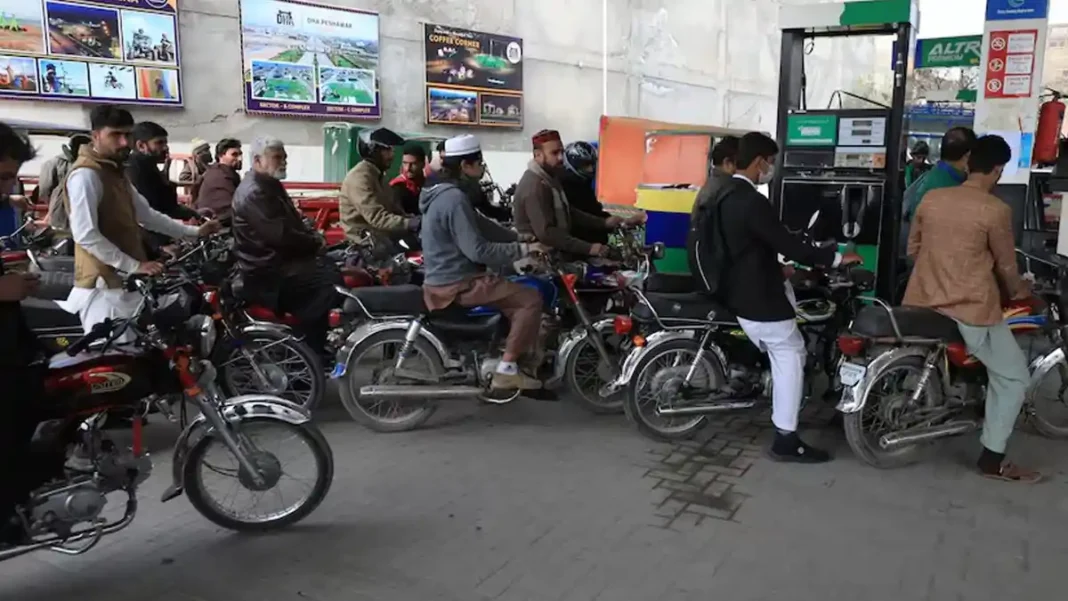
Transporters should keep customs papers, invoices and declarations ready on these routes. Fuel is one cargo that often moves on them, and petrol fell to Rs325 a litre in the latest review. Price gaps across regions can tempt smugglers to move fuel without duty, and the watchlist gives customs teams more points to watch that trade.
The FBR has published the full list in the notification, with further detail on the FBR website.
Frequently asked questions
What is the FBR customs watchlist?
It lists the entry stations where the Collectorate of Customs Enforcement, Indus, can stop and check goods for duty evasion and smuggling. The new notification adds bridges, barrages and motorways.
Which places were added?
It covers points around Hub, Guddu and Sukkur barrages, the Sukkur-Multan Motorway M-5, bridges across Sindh, the DI Khan-Hakla Motorway M-14, Kalabagh, Jinnah and Chashma bridges, Taunsa Barrage, and northern points such as Thakot-Battagram, Tarbela and Attock GT Road.
What is S.R.O. 2129(I)/2026?
It is the Revenue Division notification, issued on Tuesday, that amends S.R.O. 797(I)/2021 under the Customs Act 1969. It updates the locations covered by customs enforcement and adjudication.
Does the change add a new tax?
No. It creates no new tax or duty. It extends the places where customs officers can check goods and decides which adjudication office handles a seizure.
How does this help against smuggling?
It gives officers a legal basis to intercept goods at river crossings and motorways far from the border, closing routes smugglers have used to reach city markets.