Senate Panel Pushes Review of Panjgur Dam Design
The federal government has agreed to review the design of the proposed Panjgur Dam in Balochistan after a Senate panel warned that the project could harm farmland, date palm orchards and traditional kareze irrigation. The decision came at a meeting of the Senate Subcommittee on Problems of Less Developed Areas in Islamabad on Tuesday, 17 November 2026.
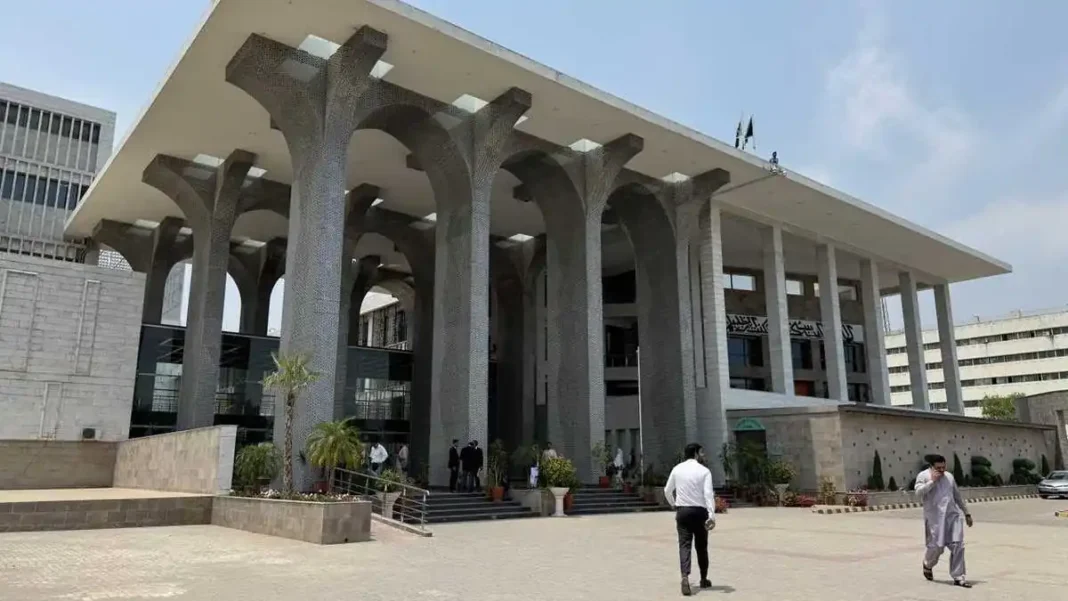
Senator Jan Muhammad Buledi chaired the meeting at Parliament House. Planning Division officials told the panel that the dam design would be re-examined with input from the Irrigation Department before the project moves ahead.
Why the Senate panel wants the Panjgur Dam design reviewed
Buledi questioned why the effect on the existing irrigation system had not been assessed properly before the project was planned. He said development work in the province must protect local communities and deliver clear benefits to the people who live there.
“Public funds spent on development schemes should bring tangible benefits to local communities rather than create additional difficulties,” Buledi said, according to Dawn. He suggested the government consider building small dams as an alternative to large dams, keeping local needs and ground realities in view.
National Party MNA Pullain Baloch also pressed for a detailed assessment of the canal system and its effect on farmland, settlements and local livelihoods. He said development projects in Balochistan should serve local communities first and must not damage their farms or their sources of income. He also raised concerns about the wide gap between the project’s first cost estimate and its revised cost, and about land acquired from local people.
Kareze under strain before the dam is built
The project director briefed the panel on the state of Panjgur’s old irrigation network. The district once had 118 karezes, the traditional underground channels that carry water to fields, and they supplied water to around 6,000 acres of farmland.
That network is already under strain. Solar powered water extraction has affected 72 of the 118 channels, and water flows in 34 karezes have fallen by more than 50 per cent over the past two years. The panel heard that the damage to the old system is one reason senators want the new dam planned with care, so it does not add to the loss.
The proposed Panjgur Dam is designed to irrigate about 25,000 acres, more than four times the area the karezes once served. It would stand 33 metres high, with a 30 kilometre canal on its left side and a 9.8 kilometre canal on its right.
Open canals replaced by pipelines
Officials told the committee that the original open canal design had already been changed. Water will now run through pipelines instead, a change meant to protect thousands of date palms and farmland. The revised design is finalised, but a cost estimate from China is still awaited, and that figure will fix the final expense of the pipeline system.
The panel also took up the Gish Kaur Dam project and directed the Water and Power Development Authority to report on its effect on downstream farming and on water reaching the Mirani Dam.
A follow-up to the panel’s earlier warning
This is not the first time the Senate panel has raised questions about dam building in Balochistan. Feature Pakistan reported on 4 November that the same panel had questioned dam projects in the province, including the Panjgur scheme and the Gish Kaur project. Tuesday’s meeting turns that earlier warning into a concrete step, with the government now committed to a fresh review of the design.
The meeting also covered wider issues for the province. It reviewed the Aghaz-e-Haqooq-e-Balochistan package, progress on development projects, and Balochistan’s share of federal jobs. The Establishment Division told the panel that complete records of appointments from the province were not available, and the panel directed it to submit a comparative report covering appointments, vacant posts and the allocated quota.
Federal Minister for Planning Ahsan Iqbal told the meeting that Balochistan’s progress was tied to the country’s overall progress. He said about Rs200 billion had been allocated for development projects in Balochistan, an amount higher than the allocation for Punjab, even though the Public Sector Development Programme faced tight funds.
The stakes for farming families are clear from other recent reports. Balochistan lifted a urea ban in 17 more districts to support growers, while a rabi water shortfall has hit wheat farming in Punjab and Sindh. Water work also remains live elsewhere, with plugging work in full swing at the Tarbela Dam’s T-5 tunnel.
Frequently asked questions
What is the Panjgur Dam?
The Panjgur Dam is a proposed dam in Balochistan designed to irrigate about 25,000 acres of land. It would stand 33 metres high, with a 30 kilometre canal on its left and a 9.8 kilometre canal on its right.
Why did the Senate panel raise concerns about the dam?
The panel warned the dam could harm farmland, date palm orchards and the traditional kareze irrigation system in Panjgur. Senators said the effect on the existing irrigation network had not been assessed properly before the project was planned.
What is a kareze?
A kareze, also called a karez, is a traditional underground channel that carries water from higher ground to fields. Panjgur once had 118 karezes serving about 6,000 acres, but 72 have been affected by solar powered water extraction.
What change has been made to the dam design?
The original open canal design has been revised to a pipeline based water supply system to protect thousands of date palms and farmland. The revised design is finalised, but a cost estimate from China is still awaited.
What happens next?
Planning Division officials said the dam design will be reviewed in consultation with the Irrigation Department. The panel also sought a Wapda report on the Gish Kaur Dam and its effect on downstream farming and water reaching the Mirani Dam.