Pakistan Mango Exports Fall 36pc Amid US-Iran War
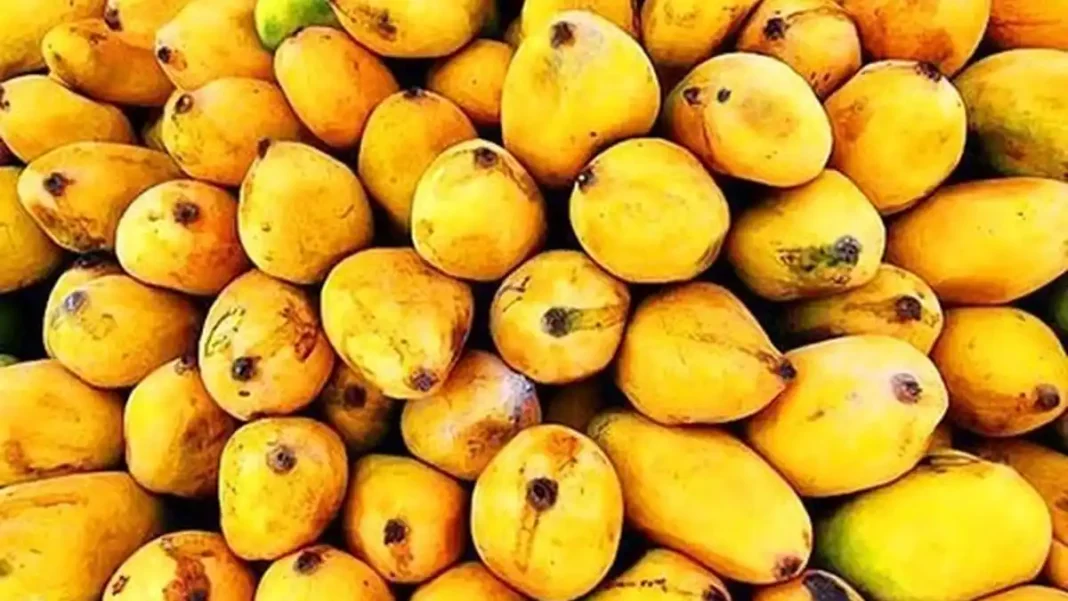
Pakistan’s mango exports fell 36 per cent this year as the US-Iran war disrupted shipping routes and drove up freight costs, industry figures showed on Wednesday. The fall in Pakistan mango exports underlines how a distant conflict can reach straight into the orchards and packing houses of Punjab and Sindh.
According to the All Pakistan Fruit and Vegetable Exporters Association, the country exported 78,000 tonnes of mangoes this year, compared with 123,000 tonnes last year. Exports to the Middle East, a major market for Pakistani mangoes, dropped from 36,000 tonnes last year to 14,500 tonnes this year, the association said.
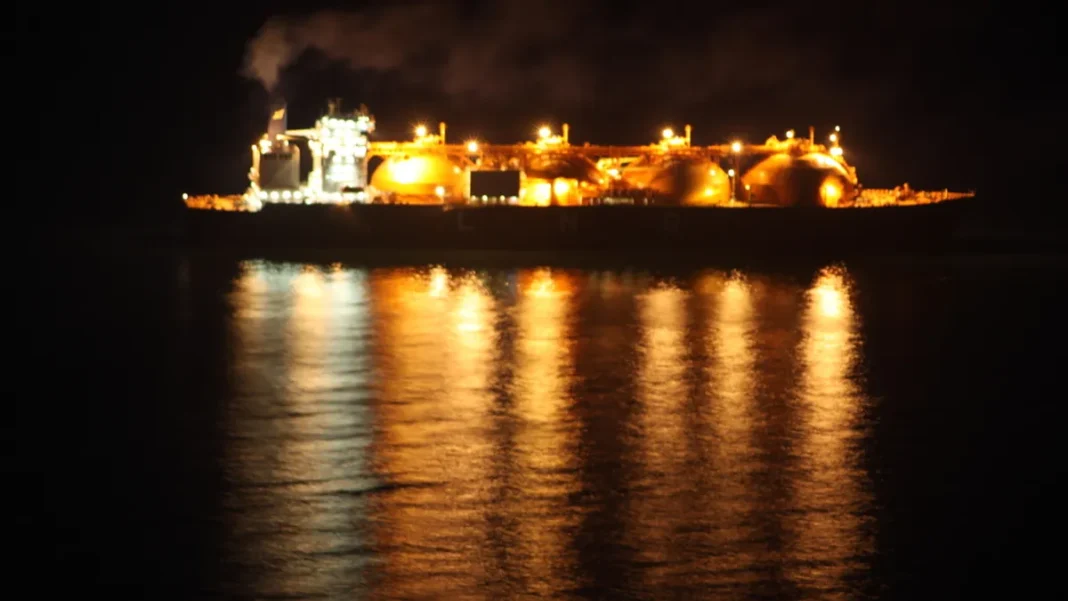
Waheed Ahmed, head of the association, told Anadolu news agency that the conflict had cut the country’s mango export earnings from about $100 million to around $60 million. He cited the months-long near-closure of the Strait of Hormuz, a key shipping route, and rising freight rates as the main factors behind the decline, particularly in exports to Middle Eastern countries.
“The freight rate that was $1,000-1,400 before the US-Iran war, now stands at $8,000. Secondly, the closure of the Strait of Hormuz also increased the shipping period, which affected the exports of perishable items like mangoes,” he said.
Why the Middle East market matters so much
The United Arab Emirates and Oman were the main Middle Eastern destinations for Pakistani mangoes, particularly the internationally acclaimed Chaunsa variety, followed by Saudi Arabia. Kuwait and Qatar also import significant quantities of Pakistani mangoes, according to the association.
That dependence explains why the damage is so deep. Mangoes are perishable, so longer shipping times and costlier freight hit them harder than most farm exports. When a container that once cost around $1,200 to ship now costs $8,000, exporters either absorb losses they cannot afford or simply ship less fruit.
Mango exports to neighbouring Afghanistan were also disrupted by frequent border closures amid strained relations between the two countries, Ahmed said.
A second squeeze: falling production
The export slump is not only about shipping. Pakistan produced 1.9 million metric tonnes of mangoes a year until 2018, ranking sixth globally behind India, China, Thailand, Indonesia and Mexico. Production has declined over the past four years, with the association attributing the drop to global warming.
Climate change has reduced Pakistan’s total mango production by 35 per cent, according to the association. That means growers are starting from a smaller harvest before trade disruptions even begin, and every lost shipment hurts more.
The twin squeeze matters beyond the export figures. Mangoes support growers, pickers, packers, transporters and traders across the mango belt, and a 36 per cent fall in exports means less income flowing into those districts at harvest time.
What the fall in Pakistan mango exports means for growers
For growers, the problem is that the two pressures feed each other. Lower production pushes up costs at home, while dearer freight and longer routes cut the price exporters can pay for the fruit that does reach the market.
The association’s figures also show how exposed Pakistan’s horticulture trade is to one region. The Middle East takes the largest share of the mango crop, so a shipping disruption in the Gulf has an outsized effect on the whole season.
There are other signs of movement in Pakistan’s farm exports. Pakistan’s kinnow exports to Uzbekistan recently received the go-ahead, opening a new Central Asian route for citrus. Punjab has also announced an Apna Kisan Bank to support farmers, and Maryam Nawaz and the Saudi envoy have discussed a Rs500 billion halal food export push. Food security and farm exports are also central to how CPEC 2.0 is being framed. None of those steps fixes this year’s mango season, but they show the direction policymakers want farm trade to take: more markets, more processing, and less dependence on a single route.
What happens next
Exporters will watch whether freight rates ease and whether the Strait of Hormuz stays open through the next season. If rates stay near $8,000 a container, exporters will have to choose between thinner margins, higher prices for buyers, or smaller shipments again.
The association has not announced a recovery plan for the lost earnings. For now, the season’s figures stand as a warning: when shipping lanes close, the cost lands on farmers and exporters first, long before it shows up in trade statistics.
Frequently asked questions
How much did Pakistan’s mango exports fall this year?
Exports fell 36 per cent, from 123,000 tonnes last year to 78,000 tonnes this year, according to the All Pakistan Fruit and Vegetable Exporters Association.
How much money did exporters lose?
Export earnings fell from about $100 million to around $60 million, the association’s head Waheed Ahmed told Anadolu.
Why did exports fall?
The US-Iran war disrupted shipping routes, the Strait of Hormuz was nearly closed for months, and freight rates jumped from $1,000-1,400 to $8,000 per container. Border closures also disrupted exports to Afghanistan.
Which markets were hit hardest?
The Middle East, the main market for Pakistani mangoes. Exports there fell from 36,000 tonnes to 14,500 tonnes. The UAE and Oman are the biggest buyers, followed by Saudi Arabia, Kuwait and Qatar.
Is production also falling?
Yes. Pakistan produced 1.9 million tonnes of mangoes a year until 2018, but production has fallen over the past four years, and the association says climate change has cut total production by 35 per cent.