Pakistan UN Peacekeeping Cost 183 Lives, Asif Says
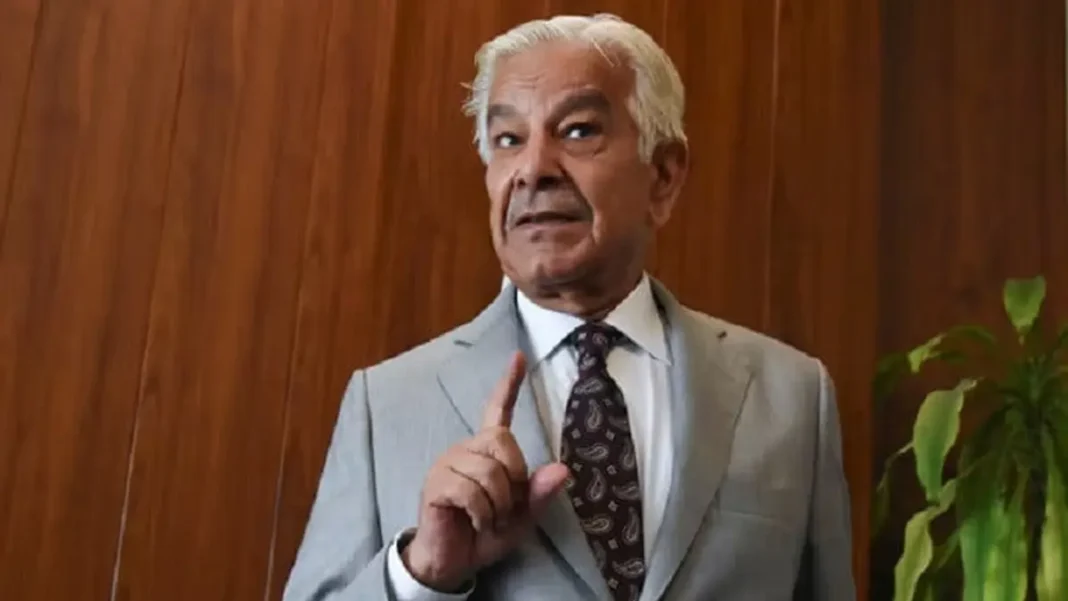
Pakistan UN peacekeeping has cost the country 183 lives over seven decades, Defence Minister Khawaja Asif told a European forum on Wednesday, as he called for stronger global cooperation and realistic mandates for UN missions.
Asif was speaking at the Schuman Security and Defence Forum at the European Parliament in Brussels. He said 237,000 Pakistani personnel had served in 48 UN peace missions over the past seven decades, and 183 of them laid down their lives in the service of international peace.
He said Pakistan’s record in UN peacekeeping showed the country’s commitment to international peace and security. He added that the sacrifices of Pakistani troops should shape how the world designs and funds future missions.
Mandates must be realistic and funded
Asif said peacekeeping mandates should be realistic, adequately resourced and aligned with sustainable political solutions. He warned that sudden cuts to peacekeeping operations in conflict areas could heighten risks to human security.
He said countries that contribute troops and police to UN missions should have an effective say in shaping those mandates. At present, he argued, the countries that send personnel do not always get a matching voice in the decisions that put their troops at risk.
He stressed that collective awareness, a common approach and cooperation were essential for security policies that promote global peace. He also said peace was not merely the absence of war, but required sustainable stability.
Climate and food pressures drive conflict
Asif linked the peacekeeping debate to wider pressures on global security. He identified climate change, food insecurity and economic vulnerability as factors behind conflicts, and noted that Pakistan was among the countries directly affected by climate risks.
He called for longstanding disputes to be resolved under international law and relevant UN resolutions. He also urged unimpeded humanitarian assistance to conflict areas and the fulfilment of commitments on climate action and development.
Pakistan UN peacekeeping: why troop contributors want a say
The heart of Asif’s argument was about who decides. Mandates are written in New York, but the risk is carried by soldiers from countries such as Pakistan, Bangladesh and India. When a mandate is vague or underfunded, the troops on the ground face the gap first.
Asif said mandates should match the resources given to carry them out. A mission asked to protect civilians across a wide area, without enough troops, transport or funding, cannot deliver what the mandate promises. That mismatch, he argued, is what puts peacekeepers in danger and leaves civilians unprotected.
He also tied the point to funding. Peacekeeping budgets have come under pressure in recent years, and Pakistan has already warned that cuts to the UN peacekeeping budget would strain missions. Asif’s call for resourced mandates follows the same line: a mandate without money is a promise the UN cannot keep.
What the speech means for Pakistan
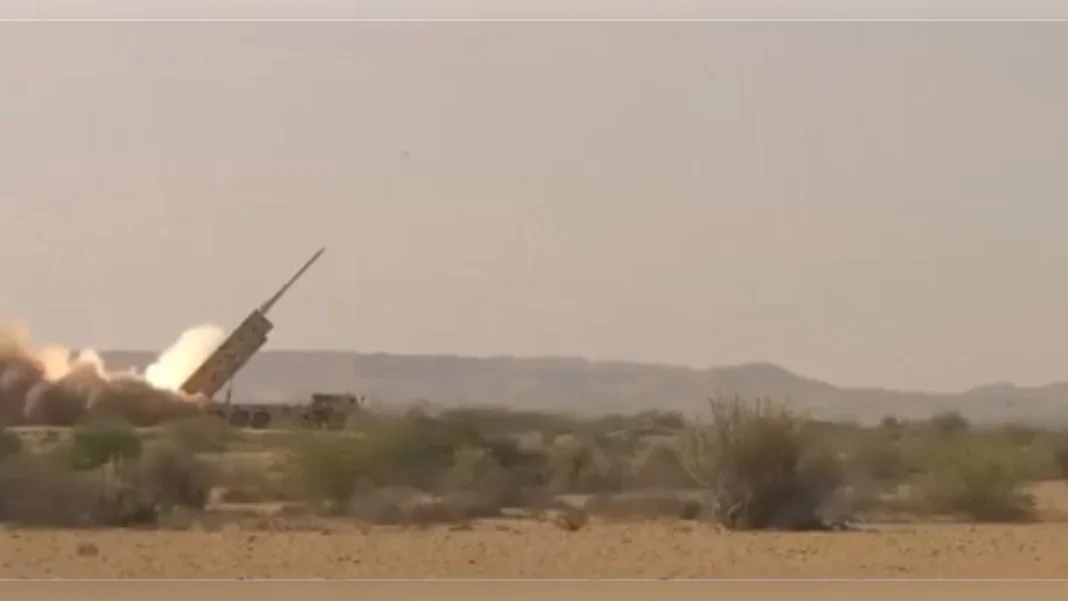
The address fits a wider pattern in Pakistan’s defence diplomacy this year. Pakistan and Turkiye have deepened defence cooperation, and Pakistan tested the Fatah-3 supersonic cruise missile this week. Asif’s Brussels speech adds a diplomatic track to that picture, pressing Pakistan’s case as a troop contributor rather than only as a buyer or builder of weapons.
Pakistan’s role at the UN also runs through its elected seat. Pakistan is serving a term on the UN Security Council, and its mission in New York carries the day-to-day work of that role. The Brussels forum gave Asif a European audience for the same message Pakistan has pressed in New York.
Climate gives the argument a domestic edge. Sindh’s climate case at COP31 underlined how exposed Pakistan is to floods and heat, and Asif tied that exposure directly to conflict risk in his speech. For Pakistani readers, the link is plain: a country that faces climate shocks at home also sends troops to keep the peace abroad.
Asif closed by reaffirming Pakistan’s commitment to multilateralism. He said the country was ready to play a bridging role in strengthening an inclusive and effective multilateral system, and would continue to contribute to human dignity, justice and sustainable peace at the global level.
Frequently asked questions
How many Pakistanis have served in UN peacekeeping missions?
About 237,000 Pakistani personnel have served in 48 UN peace missions over seven decades, according to Defence Minister Khawaja Asif.
How many Pakistani peacekeepers have died?
A total of 183 Pakistani peacekeepers have laid down their lives in UN missions, Asif told the forum in Brussels.
What did Asif ask for at the EU forum?
He called for stronger global cooperation, realistic peacekeeping mandates, adequate resourcing, and a bigger say for troop-contributing countries in shaping mandates.
Where did Asif deliver the address?
He spoke at the Schuman Security and Defence Forum at the European Parliament in Brussels.
Why does the funding of peacekeeping matter for Pakistan?
Pakistan is among the largest contributors of troops to UN missions, so budget cuts and weak mandates directly affect the safety and workload of Pakistani personnel.