Pakistan Winter Gas LNG Cargoes Plan Finalised
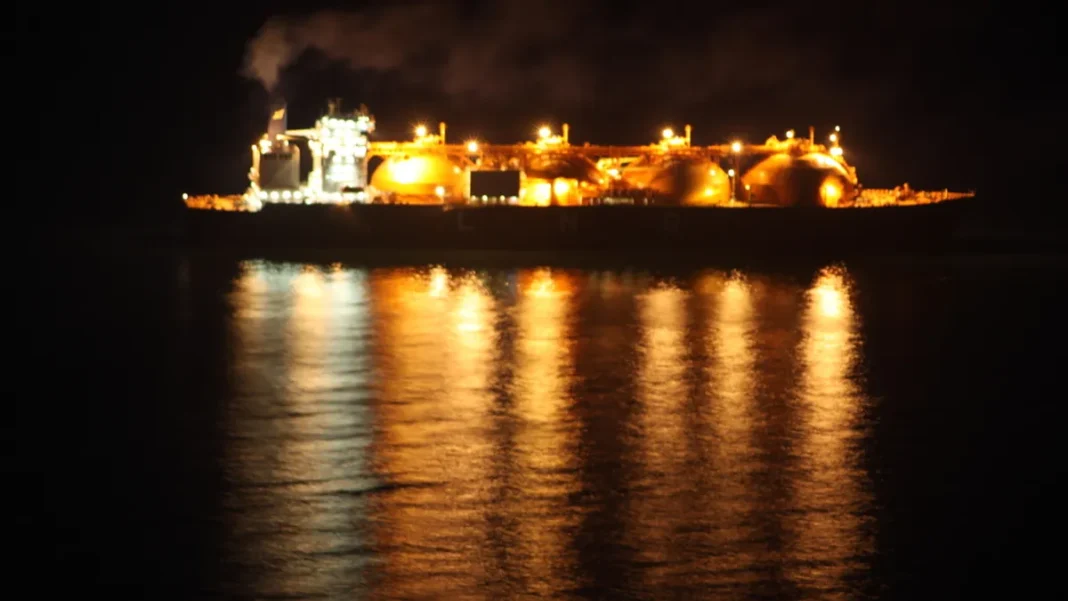
The Pakistan winter gas LNG cargoes plan has been finalised, with 16 cargoes to keep gas flowing through the winter, the Petroleum Division said on Wednesday.
The Pakistan winter gas LNG cargoes will cover the four months from November 2026 to February 2027. Most will come through existing long-term contracts with Qatar, while the remaining gaps will be bridged through short-term arrangements with Oman, the United States and Azerbaijan’s SOCAR.
Minister for Petroleum Ali Pervaiz Malik briefed journalists on the plan at an informal media interaction on Wednesday, alongside Petroleum Secretary Hamed Yaqoob Sheikh and ministry spokesperson Zafar Abbas.
Pakistan winter gas LNG cargoes: how much is covered
November’s gas demand is completely covered, according to the ministry. Three of the four LNG cargoes needed for December are already locked in, and one of the six required for January has been secured, with work under way to arrange the rest.
The figures matter because winter is when Pakistan’s gas system comes under the most strain. Household heating demand rises sharply, and the power sector leans more on gas, while domestic gas output keeps falling. Pakistan’s gas output has halved over the past decade, which is why imported LNG now carries so much of the winter load.
The plan is leaner than the first estimate. The Petroleum Division had earlier calculated that 24 cargoes would be needed for the winter, including nine for the power sector and 15 for domestic use. The final plan relies more on contracted Qatari supply and short-term deals to close the gap.
The spot market problem behind the plan
The new plan follows a costly lesson from the spot market. Pakistan LNG Limited recently went back to the market for two cargoes after rejecting expensive offers for December and January. For the December window, TotalEnergies quoted $27.30 per million British thermal units and QatarEnergy Trading offered $31, and both were turned down as too dear.
That episode explains the shape of the winter plan: maximise cheaper contracted supply from Qatar first, and use the spot market only for what the contracts cannot cover. At more than $27 per million British thermal units, a single spot cargo costs far more than contracted gas.
Supply security also depends on the Strait of Hormuz. Three oil tankers were hit by mines in the strait earlier this month, and oil prices have already moved on the disruption. Any blockage or delay there would hit LNG shipments to Pakistan as well.
Gas sector reform and the LPG push
The briefing also covered a wider reform of the gas sector. Specialised consultants have been hired to lead structural reforms, starting with the separation of the Commercial Gas Sector and the Regulated Gas Sector.
A post-privatisation plan for Sui Southern Gas Company and Sui Northern Gas Pipelines Limited has been drawn up with the World Bank. Talks on resolving circular debt and restructuring cross-subsidies have been aligned with the International Monetary Fund, and the government aims to complete the transition by the end of 2027.
The minister also announced high-level visits to Oman to sign agreements on LPG and LNG cooperation, welcomed a major Turkish vessel to port operations, and said the Hub Oil City project was advancing after a study by Technip Energies.
On LPG, the state-run SSGC LPG Limited has imported a record 15,000 metric ton cargo, the largest of its kind, which berthed at the EngroVopak Terminal. It is the first major import under new LPG guidelines meant to keep the fuel available at affordable rates. A welcome ceremony at Port Qasim was attended by Special Secretary Petroleum Mirza Nasir ud Din Mashood, SSGC LPG chief Jawad Ali Khan and senior OGRA official Sarmad Aslam.
The government has directed state companies to lead LPG imports after formal sector firms exited the trade, saying regulatory curbs had stopped them recovering procurement costs. More LPG supply should improve availability in hilly and remote areas during peak winter, when shortages bite hardest.
Energy cooperation with Saudi Arabia is also moving. A $30 billion Saudi gas programme for Pakistan is already under way, adding another source of supply alongside the Qatari contracts.
What happens next
The test of the plan comes in December and January, when the cargoes still to be arranged must arrive on time. The ministry says it is working to secure the remaining December cargo and five of the six January cargoes, and the spot tender for two cargoes remains open in parallel.
For households, the promise is steadier gas pressure through the cold months. For industry and power plants, the plan decides how much gas is left once homes are served first, a balance the winter load management plan has already put before the Cabinet Committee on Energy.
Frequently asked questions
How many LNG cargoes will Pakistan procure this winter?
The Petroleum Division has finalised a plan for 16 LNG cargoes between November 2026 and February 2027.
Where will the gas come from?
Most cargoes will come under long-term contracts with Qatar. The rest will be arranged through short-term deals with Oman, the United States and Azerbaijan’s SOCAR.
Is November’s gas demand covered?
Yes. The ministry says November’s demand is completely covered, with three of four December cargoes and one of six January cargoes already secured.
Why is Pakistan avoiding the spot market?
Spot cargoes have been costly. Pakistan LNG Limited recently rejected offers above $27 per million British thermal units for December and January as too expensive.
What is happening on LPG?
SSGC LPG Limited has imported a record 15,000 metric ton LPG cargo at Port Qasim, the first major import under new LPG guidelines, to improve winter availability.